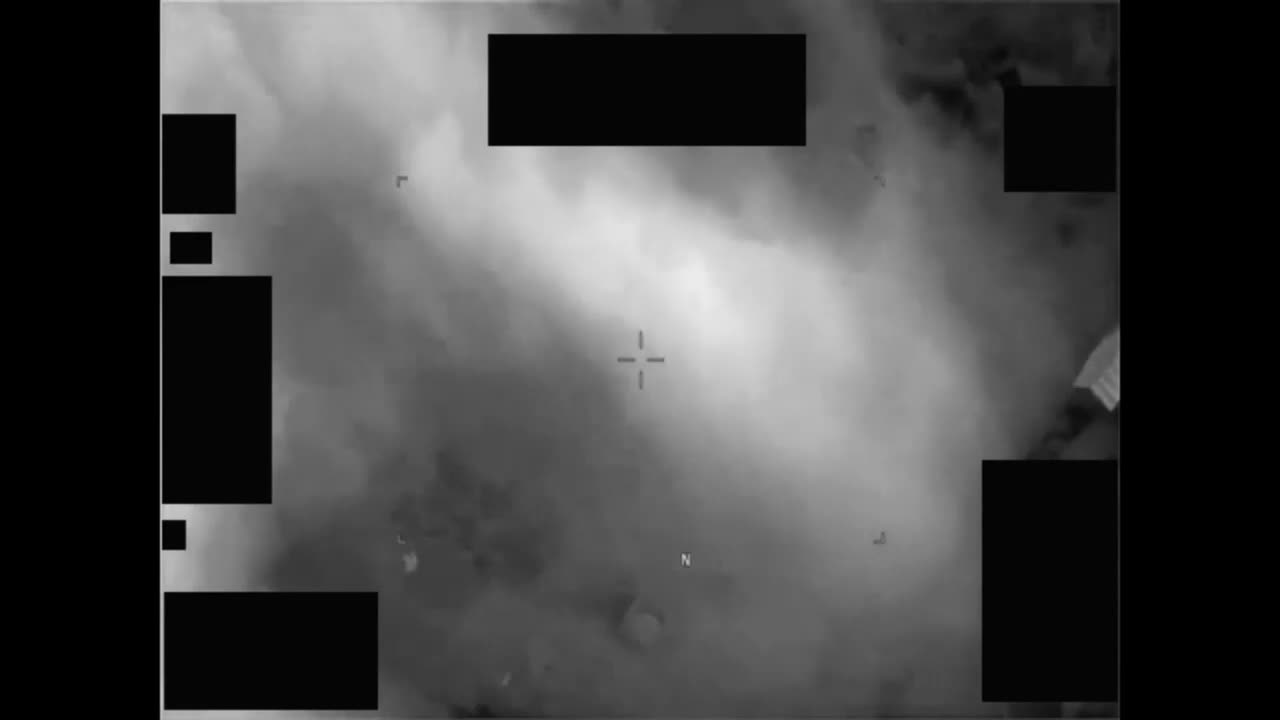
Kuwait is now counting the cost. The fires that erupted at oil facilities, power plants, and desalination plants after an Iranian drone attack on April 8, 2026, have shut down critical infrastructure in a country that runs on imported food, desalinated water, and exported crude. The interior ministry confirmed the strikes. The damage is still being assessed, but the immediate consequences are clear: Kuwait, a small city-state of 4.82 million people, faces a cascade of disruptions.
Water is the first worry. Kuwait sits at the head of the Persian Gulf, with no rivers and almost no freshwater. It relies entirely on desalination plants to supply its homes, hospitals, and industries. The report states those plants were hit. If they are offline for any length of time, the country will have to ration water or bring in emergency supplies by ship. Power plants were also targeted. A desalination plant cannot run without electricity. The two are wired together. If one fails, the other stops.
The oil facilities matter just as much. Kuwait is an OPEC producer. Its economy is oil. Fires at those sites mean halted production, potential export delays, and a hit to state revenue. The global oil market is already tight. A disruption in the Persian Gulf, even from a small producer, sends prices higher. Traders will watch for any sign that the fires have spread or that pipelines are damaged. The attack did not happen in a vacuum. Iran has hit Saudi oil facilities before. The pattern is the same: drones aimed at the economic arteries of Gulf states.
U.S. Secretary of State Antony Blinken condemned the attack in strong terms. He said the United States “strongly condemns” the Iranian drone attack and emphasized the need for Iran to respect the sovereignty of its neighbors. That statement matters. The U.S. has a long-standing security relationship with Kuwait. American forces are stationed in the country. The question now is what the U.S. does next. A condemnation is one thing. A military response is another. The report does not say the U.S. has taken any action beyond words.
Australia and the United Kingdom also condemned the strike. Prime Minister Anthony Albanese and Prime Minister Rishi Sunak both spoke out. The report says they emphasized the need for Iran to stop. But condemnation alone does not put out fires or rebuild power plants. Kuwait is left to deal with the physical damage while allies issue statements.
This attack is not isolated. The report places it in a larger pattern of Iranian aggression in the region. Saudi oil facilities and tankers in the Persian Gulf have been hit in recent years. Kuwait now joins that list. Its geography makes it vulnerable. The country borders Iraq to the north and Saudi Arabia to the south. Iran is separated from Kuwait only by a small stretch of Iraqi coastline. Drones can cross that distance in minutes. Missiles can do it faster.
The immediate fallout is practical. Fires must be extinguished. Damage must be assessed. Repairs will take weeks or months. The longer the power and water stay off, the more pressure builds on the government. The report does not mention casualties. That does not mean there were none. It means the interior ministry did not report them yet. The focus has been on infrastructure.
What comes next depends on how fast Kuwait can restore its desalination and power capacity. If the damage is severe, the country will need international help. The U.S., Australia, and the UK have condemned the attack. Whether they offer technical assistance or military protection remains to be seen. Iran has not claimed responsibility, but the report attributes the attack to Iran. That accusation alone raises the stakes. Kuwait is a small state caught between a powerful neighbor and a distant ally. The fires are still burning. The consequences are just beginning to arrive.