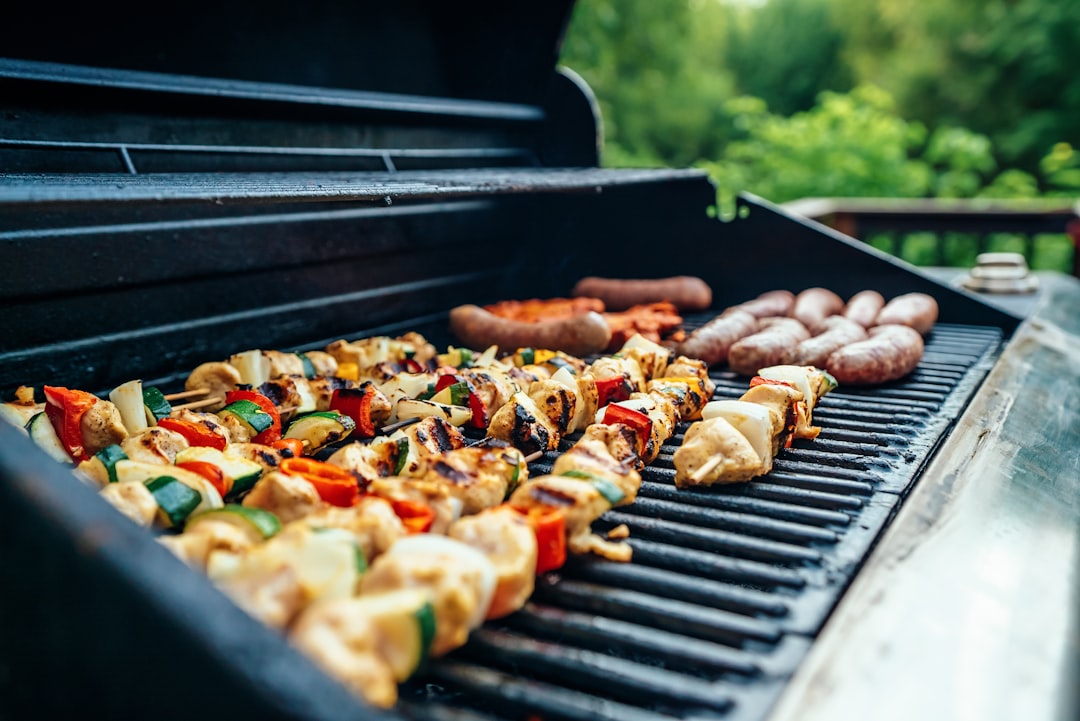
GATLINBURG, Tenn. — The brisket smoke has cleared. The bacon has been eaten. But the political fallout from last month’s Meatstock 2026 is just beginning to settle, and it lands squarely on federal nutrition policy.
The gathering of carnivore enthusiasts here drew more than just T-shirts and raw milk vendors. Calley Means, a senior advisor for the United States Department of Health and Human Services, attended. So did Vani Hari — the Food Babe — who has met with White House officials to push for bans on artificial dyes and pesticides. Their presence signals that the MAHA movement, a broad coalition of advocacy causes, now has a seat at the policymaking table.
And that seat is being used to defend meat.
Brian Bienkowski, managing editor of The New Lede, described the movement as varied. It includes people worried about ultra-processed foods. It includes people worried about pesticides. It includes vaccine skeptics. But one thread ties them together: the belief that Americans need “real food,” and real food includes meat.
That belief is no longer just a hashtag. Robert F. Kennedy Jr. has copyrighted the MAHA label and collects licensing fees for its use. The movement’s mantra is now woven into federal health guidance.
The consequences are direct. Federal nutrition guidelines shape school lunch programs. They influence dietary recommendations from doctors. They affect what the USDA and HHS tell Americans to put on their plates. If the MAHA movement pushes those guidelines toward more meat consumption, the effects ripple through every cafeteria, every clinic, every grocery store aisle.
There is a problem. Studies have consistently shown that vegetarian and plant-dominated diets are healthier than meat-heavy ones. The planetary cost of eating higher on the food chain is high. Meat production requires more land, more water, more energy per calorie than plant foods. Environmental groups have spent decades trying to shift American diets away from beef and pork.
Meatstock 2026 suggests that shift is stalling. Hard.
The movement claims to be about natural, healthy eating. But its embrace of industrial-scale meat consumption contradicts that claim. The brisket at Meatstock came from somewhere. The bacon came from somewhere. Large-scale animal agriculture is not a small, pastoral operation. It is factory farms, concentrated animal feeding operations, antibiotics, manure lagoons. None of that is natural. None of that is particularly healthy.
Yet the political power behind the movement is real. Means works at HHS. Hari has White House access. Kennedy controls the brand. These are not fringe figures. They are shaping what “healthy eating” means in federal policy.
What comes next matters. The MAHA movement is gaining traction. Its influence on nutrition guidance will be tested as the next round of Dietary Guidelines for Americans is drafted. The meat industry has a powerful new ally. Environmental and public health advocates have a powerful new opponent.
The smoke from Meatstock 2026 has cleared. The fight over what Americans eat has not.