The Pentagon’s decision to release a 2023 UAP video isn’t just about one more grainy clip. It’s about what happens next. And who gets to decide.
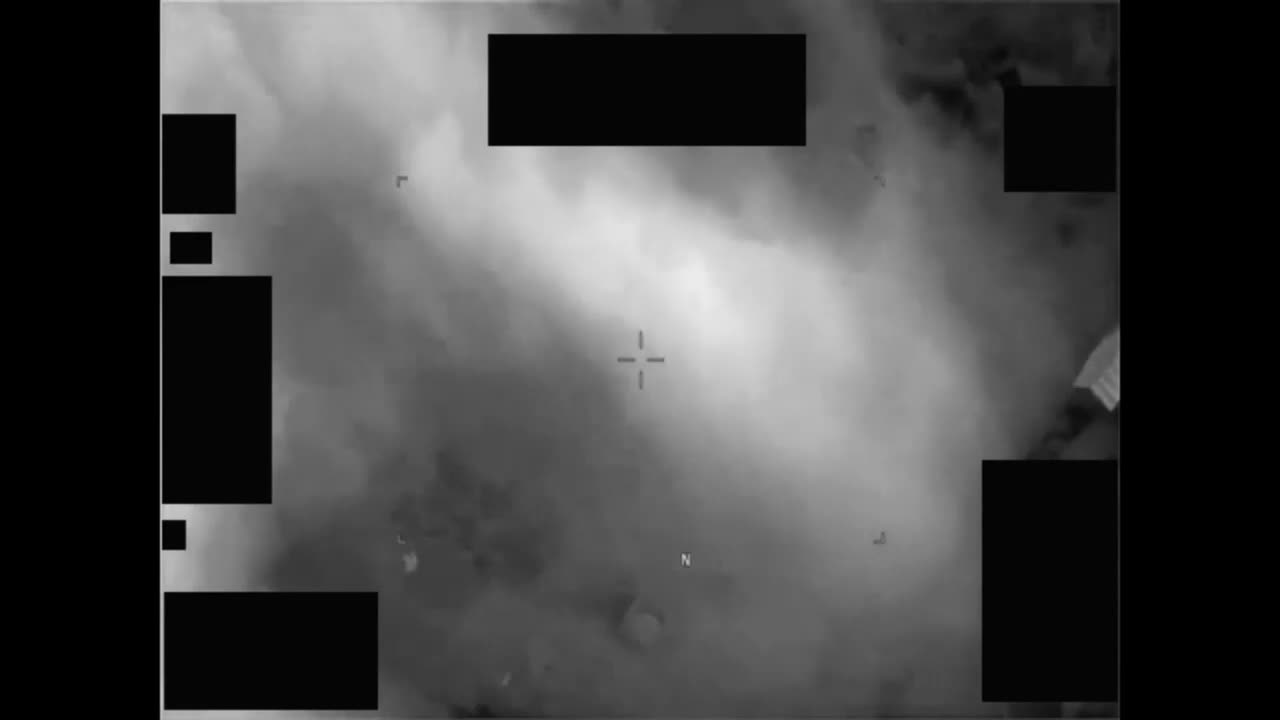
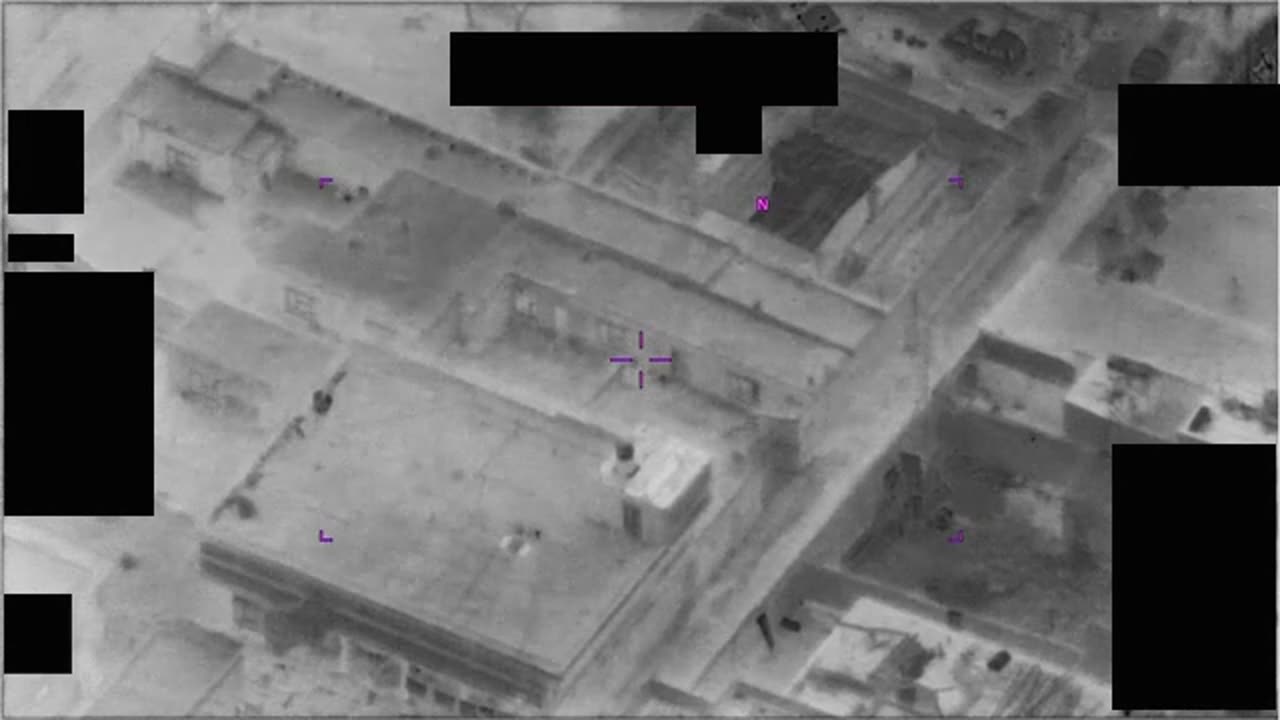
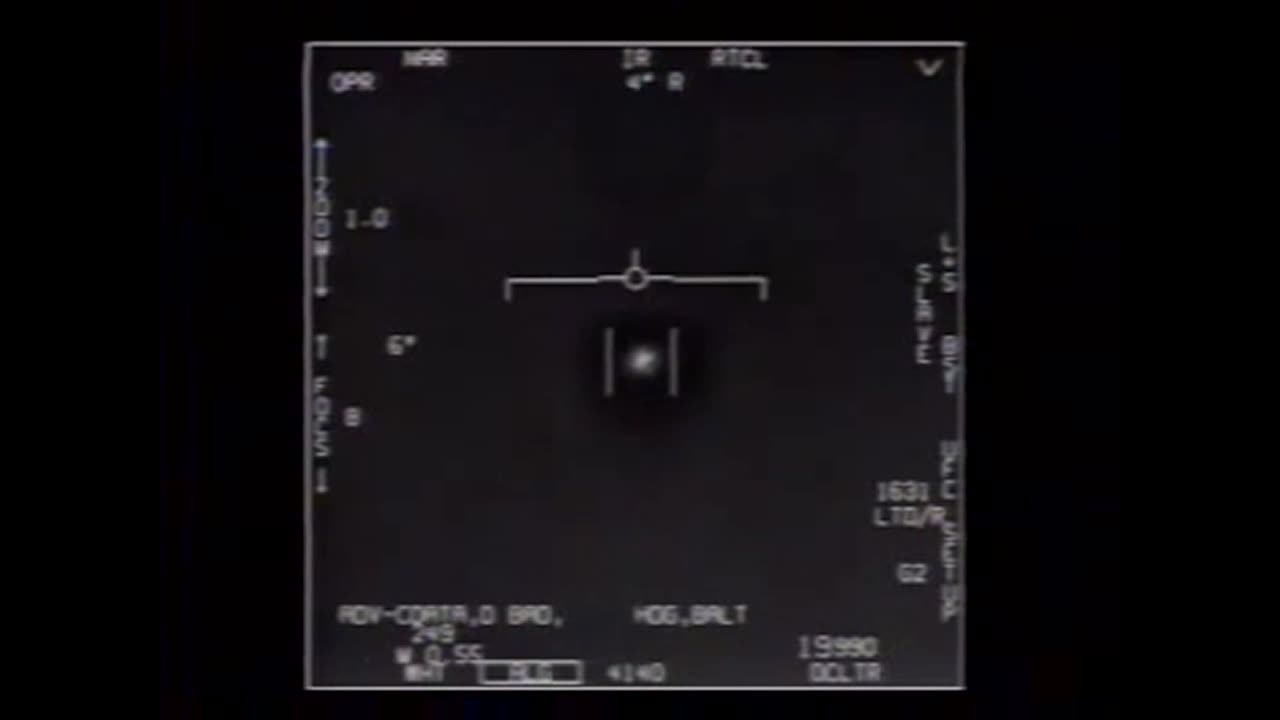
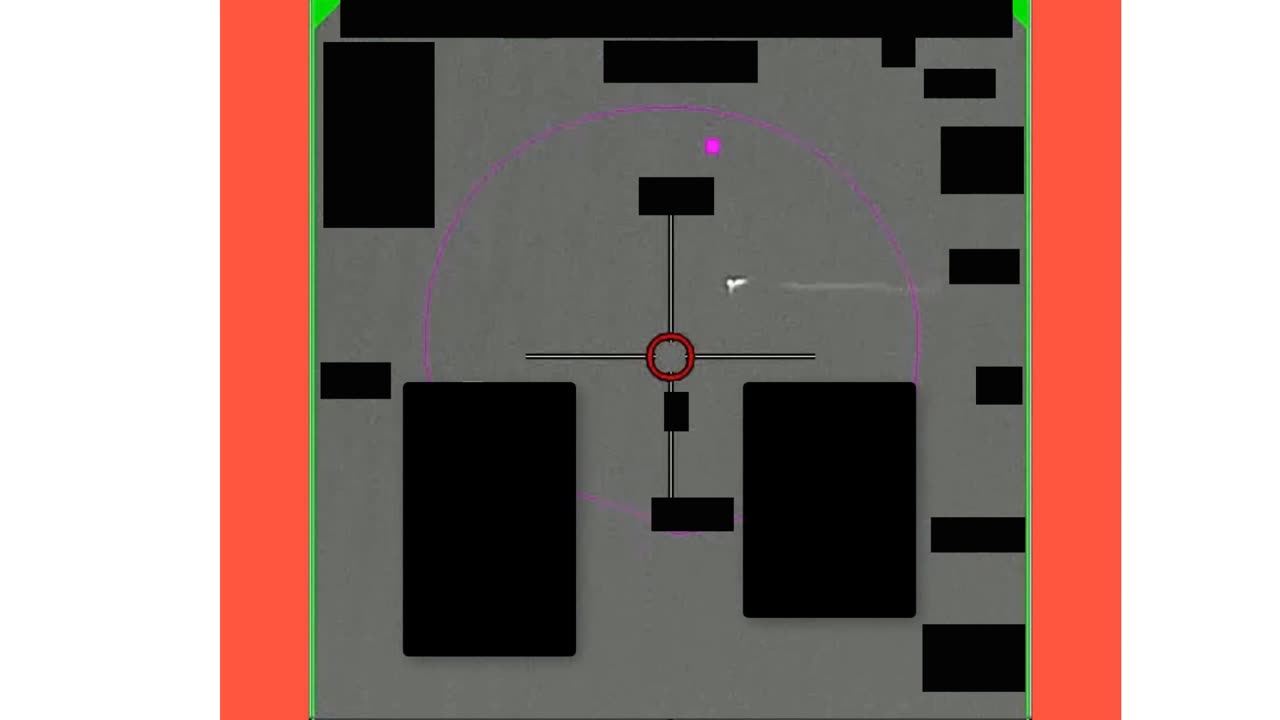
The video, labeled PR68 under the Pentagon’s release framework, shows a small object moving fast at high altitude. Infrared sensor data from an unspecified military platform in the Middle East captured it. The object has no visible propulsion. Its movements don’t match any known aircraft or drone. That much is in the record.
But the real story is the process that forced this video into public view. The PURSUE policy mandates that all non-sensitive UAP data be released after review. That policy exists because for decades, the opposite happened. Sightings were buried. Pilots were told to stay quiet. The public got nothing.
That era is ending. The All-domain Anomaly Resolution Office, or AARO, now sits inside the Office of the Secretary of Defense. Its job is to dig up old encounters and push them out. This video is one of several declassified in recent months. The question is whether AARO has the teeth to keep going.
There is risk here. Real risk. Not alien invasion risk. Institutional risk.
Every release like this one chips away at the old wall of secrecy. That wall had defenders. People who built careers on keeping things hidden. People who still sit in rooms where decisions get made. The PURSUE policy is a directive, but directives can be slow-walked. They can be hollowed out. A video gets released. A report gets buried. The pattern is old.
The metadata on this recording includes telemetry data and sensor readings. That matters. Raw data is harder to dismiss than a pilot’s testimony. It can be analyzed by outside experts. It can be compared to other datasets. It creates a paper trail that future investigators can follow.
But raw data also creates liability. If the object in the video is something the U.S. military built — a classified drone, a test platform — then releasing the data exposes that program. If it’s something else — something foreign — then the release reveals what American sensors can see and how they track it. Either way, someone inside the Pentagon had to sign off on the risk.
That someone made a choice. The video is public now. The sensor mode is infrared. The platform type is unspecified. The location is a region with known U.S. military activity. That vagueness is intentional. It protects operational security while still satisfying the PURSUE mandate. It’s a compromise. Compromises can be undone.
The stakes are simple. If AARO keeps releasing material like this, the public gets a real picture of what military sensors are catching. If the process stalls, the old wall goes back up. And the next administration could change the rules entirely. PURSUE is policy, not law. Policies shift.
What hangs in the balance is transparency as a default. Not as a favor. Not as a press release after a Freedom of Information Act fight. The video of PR68 is proof that the default can change. It is also proof that the change is fragile.
There is no analysis in the report of what the object is. No conclusion. Just a recording and a designation. That is the whole point. The system is now supposed to release the evidence and let the public see it. Whether that system holds depends on what happens with the next video. And the one after that.