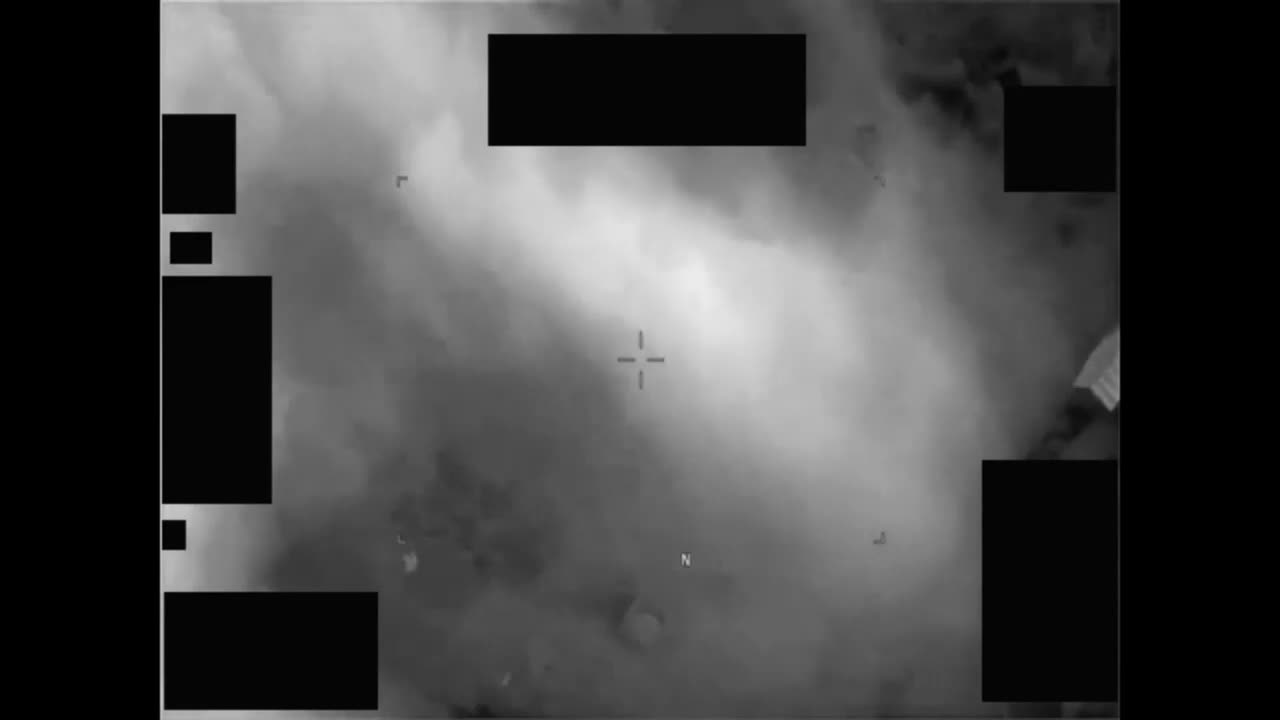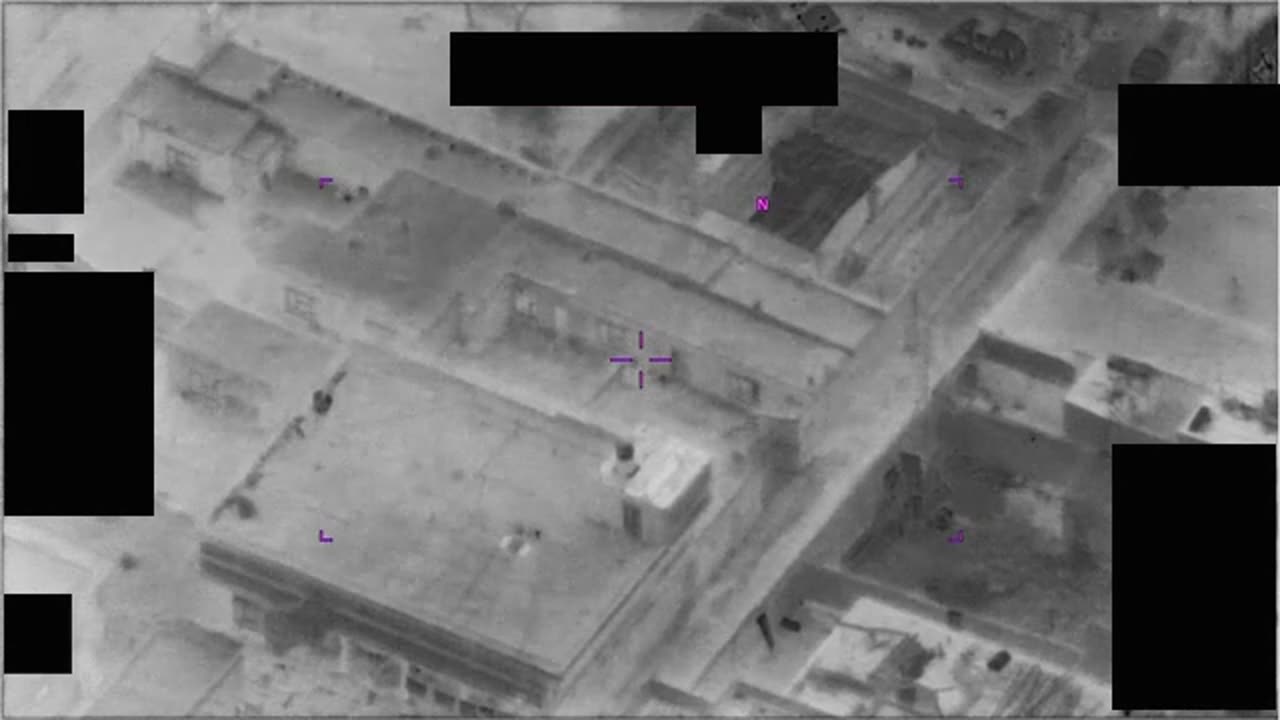
Chuhuiv, a town in northeastern Ukraine’s Kharkiv region, is still smoldering. Overnight missile attacks hit residential buildings and shops there. The regional prosecutor’s office confirmed the strikes Tuesday. A pregnant woman was among the dead in the Kharkiv region. Two others also died there. In Donetsk, two more people were killed — one in Bilozerske, one in Druzhkivka — on Monday, according to Vadym Filashkin, head of the Donetsk state administration. Several others were wounded in Sloviansk and other areas.
Then came the drones. In the city of Kharkiv itself, a drone attack wounded 16 people. Children were among the wounded. Photos shared by officials show a burning building and burnt-out cars. The rubble and debris pile up in residential areas that took the worst of it.
The human cost is mounting. But the secondary effects are spreading just as fast. People in those blasted neighborhoods now lack access to basic necessities. Water, power, shelter — all disrupted. The situation on the ground is dire. That’s not a political statement; it’s the condition of the streets.
While the attacks unfolded, Ukraine’s president held talks with U.S. envoys and European leaders. He called those discussions “very positive.” The hope is to reinvigorate diplomacy. But the conflict shows no signs of abating. The international community is watching. Waiting.
What comes next is uncertain. The diplomatic track is the only visible off-ramp. The U.S. and European leaders are now the key players in that effort. Whether their talks produce a ceasefire or a stalemate remains to be seen. The attacks themselves don’t stop for negotiations.
The Kharkiv region has been a persistent target. Chuhuiv, a town of about 30,000 before the war, has seen repeated strikes. The overnight missiles there were not an anomaly. They were part of a pattern. The prosecutor’s office is documenting each one. The photos of burning buildings and burnt-out cars are evidence. So are the wounded children in Kharkiv.
In Donetsk, the deaths in Bilozerske and Druzhkivka add to a long toll. Filashkin’s Facebook post was blunt: two dead, several injured. No elaboration needed. The numbers speak for themselves.
The broader picture is grim. Russian attacks kill, wound, and destroy. They displace people and cut off supplies. They make daily life impossible in whole swaths of the country. The Ukrainian government keeps counting. The international community keeps watching. The talks keep happening.
Whether those talks change anything on the ground in Chuhuiv or Kharkiv or Druzhkivka is the real question. The president’s “very positive” assessment of the meetings suggests some movement. But movement in diplomacy is slow. Missiles are fast. Drones are faster.
The rubble in residential areas is not cleaned up yet. The stacks of debris are still there. The wounded are in hospitals. The dead are being buried. The pregnant woman who died in the Kharkiv region will not see the outcome of any talks. Neither will the two people killed in Donetsk.
That is the reality the talks are trying to address. Whether they succeed will determine if more towns end up like Chuhuiv — smoking, broken, and waiting.