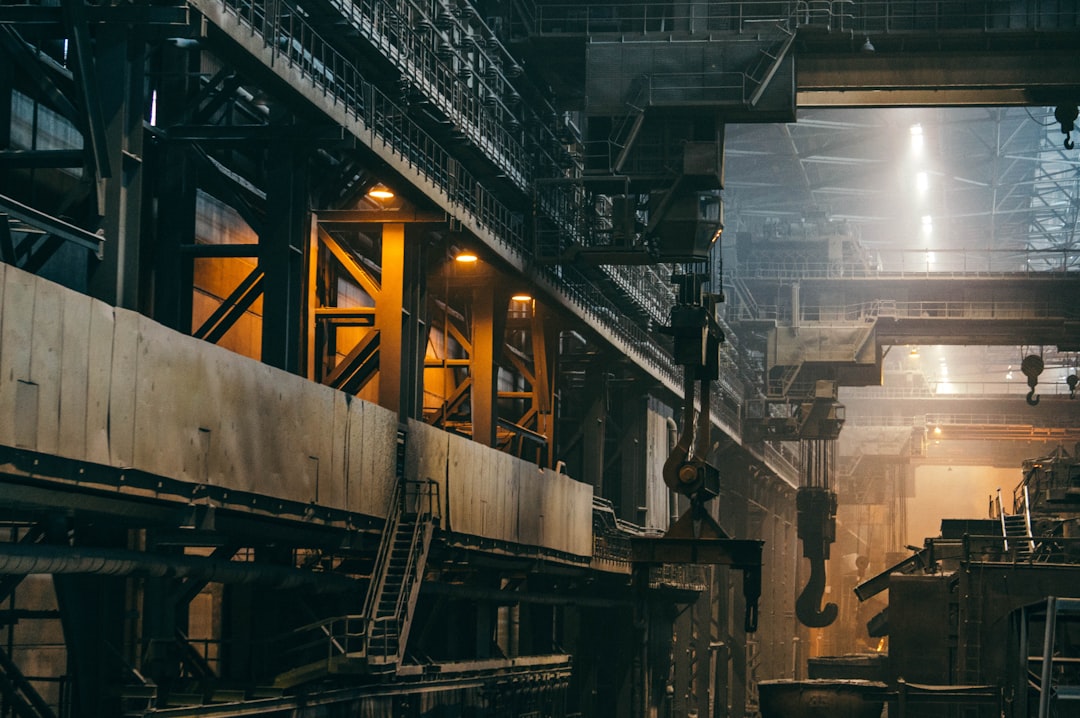
Investigators examining last week’s explosion at a steel plant are now focusing on whether a gas build-up triggered the blast. A preliminary factory report, cited by The New Indian Express, puts gas accumulation at the center of the probe.
The report does not name the plant or specify its location beyond New Delhi. It says heavier-than-usual industrial activity may have created conditions that allowed gas to collect. Exactly how that happened remains unclear. The sequence of events leading to the explosion is still being worked out.
This is a significant shift in the inquiry. Early speculation had pointed to equipment failure or human error. Now the working theory centers on a hazard every industrial facility knows: trapped gas. If gas built up undetected and then ignited, the blast would have been sudden and powerful.
Key to the investigation will be determining whether safety protocols were followed. Were gas monitors working? Were ventilation systems adequate? Did anyone notice a problem before it was too late? The factory report suggests these questions are now front and center. Investigators are looking for any breach in procedure that might have allowed gas to accumulate.
The steel plant’s operations and safety procedures are under a thorough examination. Experts are trying to identify weaknesses or lapses. This is not a quick review. It involves tracing every step of the plant’s recent activity, checking maintenance logs, and interviewing workers.
Gas build-up is a known risk in steel production. Furnaces, coke ovens, and blast furnaces all produce gases that can be deadly if they leak or collect in confined spaces. Carbon monoxide is a common culprit. It is odorless, colorless, and explosive at certain concentrations. A gas build-up large enough to cause a blast would have been significant.
The preliminary report does not say what type of gas may have been involved. That detail will likely come as the investigation deepens. The report also does not mention casualties or damage. The focus is entirely on cause.
What happens next matters beyond this one plant. The findings will inform any actions or measures aimed at preventing similar incidents. The steel industry and relevant authorities will be watching closely. If safety protocols were indeed breached, there could be broader implications for how plants monitor gas hazards.
The investigation is ongoing. More information is expected to emerge about the circumstances leading up to the explosion. The preliminary findings have given investigators a clear direction. Gas build-up is now the primary line of inquiry. Whether that holds up under further scrutiny remains to be seen.
For now, the factory report has reframed the entire probe. It has moved the conversation from what might have happened to what likely did happen. That is a big step. But it is only a step. The full picture will take time to assemble.