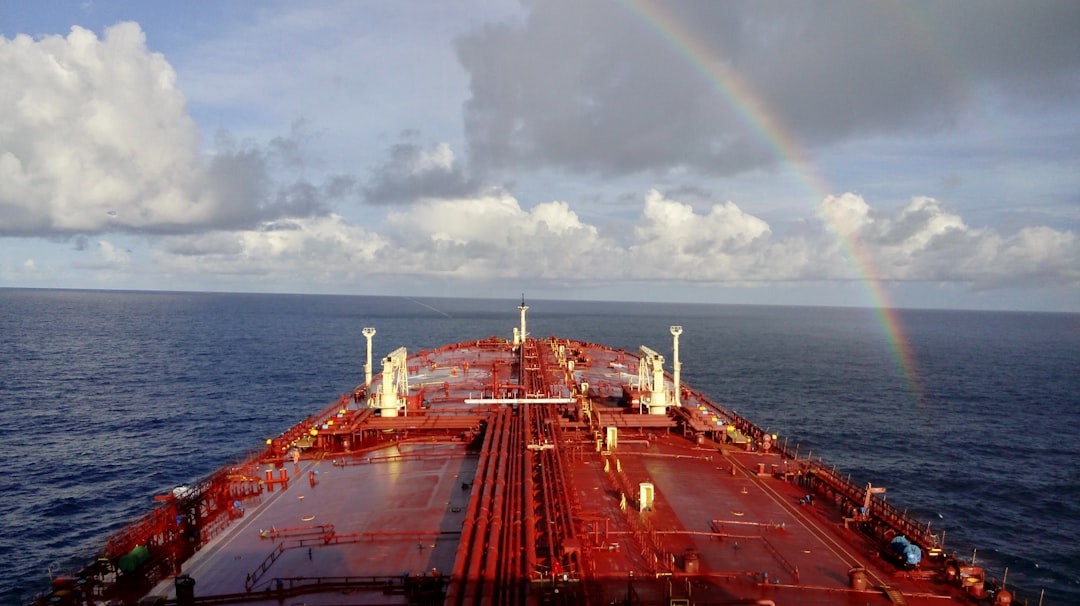
For decades, the Strait of Hormuz has been the world’s most dangerous oil chokepoint. A narrow, 21-mile-wide passage between the Persian Gulf and the Arabian Sea, it is the only maritime route for crude exports from Iran, Iraq, Kuwait, Qatar, and the United Arab Emirates. That geographic reality has now become the fuse for a military confrontation between the United States and Iran.
The crisis did not erupt overnight. It is the product of years of escalating hostility. Iran’s government has long been viewed by the West as a hostile actor. Its leaders have repeatedly threatened to disrupt oil shipments through the strait. That threat is not empty. If Iran mines the waterway or attacks tankers, global energy supplies face immediate strangulation.
Israel is now working closely with the United States on a response. The two countries share a deep concern over the consequences of Iran’s actions. Neither wants to see the strait closed. But both appear ready to take a firm stance against what they describe as aggressive behavior by Tehran.
The situation is extremely fluid. Multiple factors are at play. The region’s complex web of alliances and rivalries makes every move unpredictable. Hezbollah, the Iranian-backed militant group based in Lebanon, has been drawn into the conflict. Reports indicate the group is preparing for potential action against Israel. That opens a second front, far from the strait itself.
The U.S. president has been briefed. He is working closely with his national security team to develop a response. The focus is on protecting American interests and maintaining stability in the region. No one knows what will happen next.
What is clear is the stakes. The Strait of Hormuz is not just a waterway. It is the sole outlet for oil exports from five countries. Any disruption there sends shockwaves through global markets. Gas prices rise. Economies slow. The economic and geopolitical implications are enormous.
This is not a new crisis. It is the latest chapter in a long conflict. Iran and Israel have been at odds for years. The United States has been a key player in the region for decades. What has changed is the willingness to act. The United States and Israel are taking a strong stance. They are not waiting for diplomacy to fail. They are moving now.
The danger is real. A single miscalculation could trigger a broader war. Hezbollah’s involvement raises the risk of a multi-front conflict. The region is already volatile. The addition of a major military confrontation could spiral beyond anyone’s control.
For now, the world watches. Oil markets are jittery. Governments are issuing travel warnings. Military assets are being repositioned. The Strait of Hormuz, a narrow ribbon of water, has become the center of a global crisis.
How it ends is unknown. What is known is that the United States and Israel are committed to stopping Iran’s aggressive behavior. They have the military power to do so. The question is whether that power will be enough, or whether it will only deepen the conflict.
One thing is certain: the situation is fluid. Events are moving fast. The decisions made in the next hours and days will shape the Middle East for years to come.