The rescue boats pulled 45 people out of the English Channel on December 29. Four went straight to hospitals. Three bodies were recovered. The living were treated for hypothermia on the scene. That is the immediate aftermath. The longer consequences ripple outward from there.
Forty-five people saved means forty-five people who now enter a stretched asylum system. They will need shelter, legal aid, health checks. The United Kingdom’s processing centers already run at capacity. Each new arrival adds to a backlog that already takes years to clear. The four hospitalized require intensive care beds, nurses, translators. Local health trusts absorb the cost without warning.
The three dead leave no names in the official report. Their bodies will go to a coroner in Kent. Identification is slow. Families in home countries may never learn what happened. The Channel does not give up its dead easily.
This was not a rare event. The English Channel sees these crossings constantly. It is the busiest shipping lane in the world. Ships pass through the Strait of Dover every few minutes. The water is cold in December. Hypothermia sets in fast. The geography is fixed — 34 kilometers at the narrowest point, but currents and weather make that distance lethal.
French authorities launched the rescue. British coast guard coordinated on the other side. Both nations have patrols, drones, surveillance systems. They intercept boats, return people, process claims. None of it stops the crossings. The root causes — war, poverty, climate pressure — remain unaddressed. The December 29 deaths are a symptom, not a surprise.
What comes next is predictable. Politicians will issue statements. Some will call for tougher deterrence. Others will demand safer legal routes. Both sides have said the same things for years. No policy change has reduced the death toll. The Channel keeps claiming lives because the incentives to cross outweigh the risks for those desperate enough.
The 45 rescued will be processed under the Illegal Migration Act. Their claims face strict time limits. Many will be deemed inadmissible. Some may be transferred to Rwanda if that policy ever takes effect. Others will disappear into the informal economy. The system was not designed for this volume. It creaks under the weight.
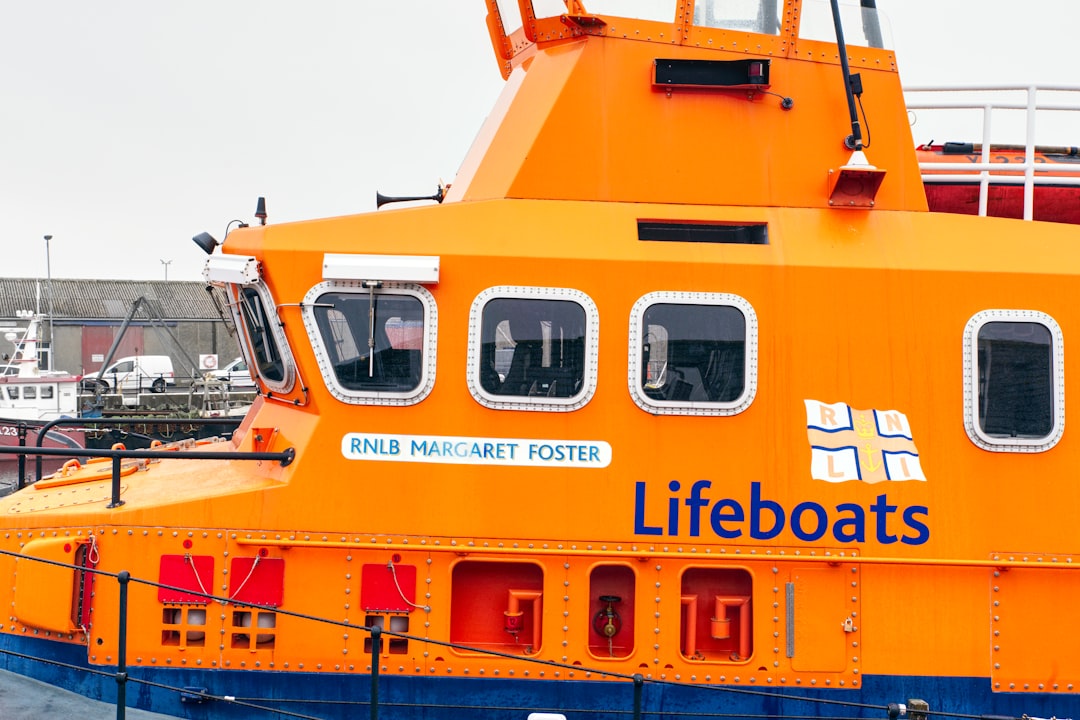
Local communities in Kent and Sussex see the aftermath. Lifeboats launch. Ambulances line the docks. Volunteers bring blankets and dry clothes. The same scenes repeat every few weeks. The human cost is visible on the beaches. The political cost is measured in Westminster.
No comprehensive solution emerged from the December 29 incident. No new funding was announced. No diplomatic breakthrough followed. The rescue was swift. The treatment was professional. The deaths were preventable. They happened anyway. That is the pattern. It will repeat.