The King Charles III Coronation Medal, already awarded to more than 400,000 people across the United Kingdom, is a piece of metal that carries a long history. It is not the first coronation medal, and it will not be the last. But the decision to cast these medals in nickel silver, and to give them to frontline emergency workers alongside the usual recipients of high honors, says something about how the monarchy sees itself in 2023.
Coronation medals have been handed out for centuries. The tradition is a way to spread the celebration beyond Westminster Abbey, to let a wider circle of people carry a tangible reminder of the day. For the coronation of King Charles III and Queen Camilla on May 6, 2023, the circle is wide. The official criteria include individuals who contributed directly to the event itself. They also include recipients of the UK’s highest honors, a standard practice. But then the list broadens. Select British military personnel are eligible. So are frontline emergency workers and public prison service staff — but only those with five years of service.
That five-year threshold is a concrete detail. It means a paramedic or a prison officer who started the job in 2018 qualifies, while someone hired last year does not. It is a line drawn in time, a way to recognize sustained service rather than a single moment. The decision to include these groups at all reflects a deliberate choice about who the monarchy wants to associate with the coronation. Emergency workers and prison staff are not the traditional pool. They are the people who kept the country running during a pandemic and through years of strain on public services.
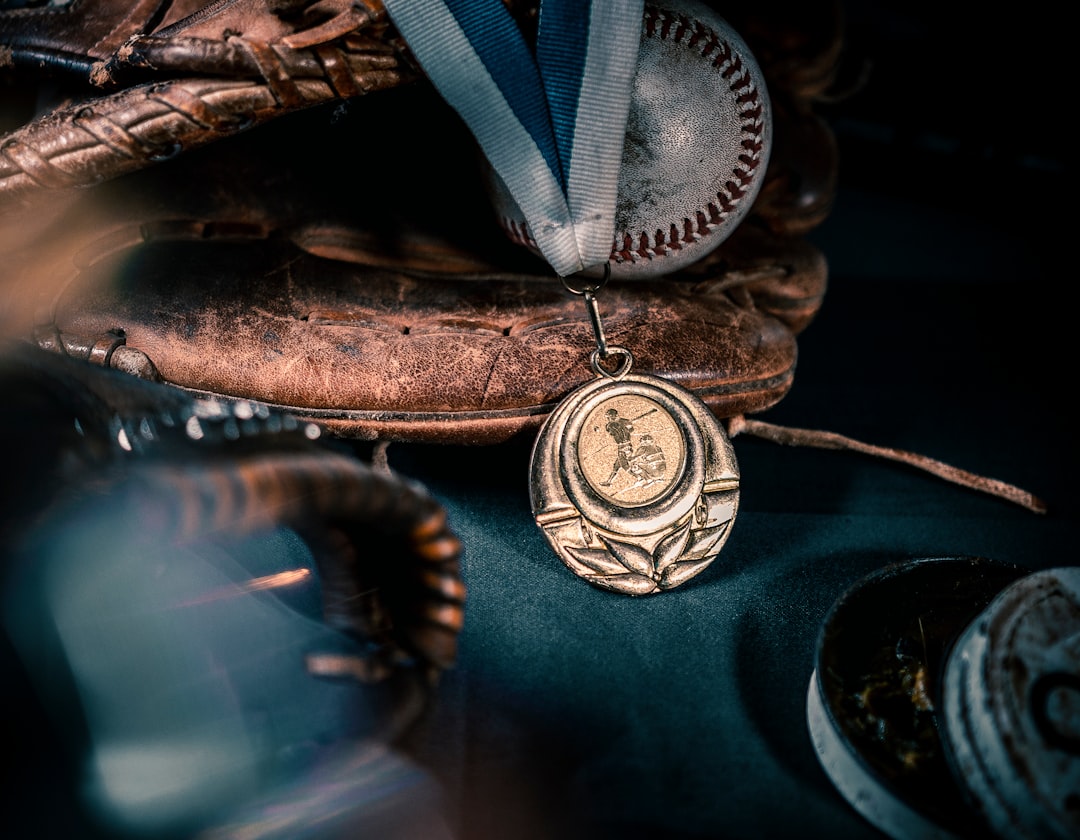
The medal itself is not gold or silver. It is nickel silver, an alloy that looks like silver but costs less. It has weight, as the report notes. The design is straightforward. The obverse shows the left profiles of both King Charles III and Queen Camilla. The reverse carries laurels and the royal cypher. The ribbon matches the one used for the Canadian version of the same medal. That is a small fact, but it points to a larger relationship.
Canada issued its own coronation medal, 30,000 of them. The Canadian version differs in one clear way: it shows the King’s right profile, not his left. That is a subtle distinction, but it is intentional. It signals that Canada’s monarchy, while sharing the same sovereign, has its own identity. The Canadian medals go to select members of the Canadian Armed Forces and the Public Service, as well as to individuals who have made significant contributions to the country or brought credit to it. The language is broad. It leaves room for interpretation.
The numbers tell a story of scale. More than 400,000 medals in the UK. Thirty thousand in Canada. These are not small runs. They are mass-produced honors, distributed to a large slice of the population. The coronation was a single day. The medals will last decades. They will sit in drawers, be pinned to uniforms at Remembrance Day ceremonies, and be passed down to children who never saw the event itself.
The decision to award the medal to individuals from other Commonwealth realms extends the reach further. The report does not specify which realms or how many people, but the fact that it is happening at all reinforces the idea of a family of nations under a shared crown. The monarchy has always used symbols to bind its territories together. The coronation medal is one of those symbols.
Nickel silver is not precious. But the medal is not about monetary value. It is about recognition. It is about the state saying, through the person of the monarch, that someone’s work mattered. For the emergency workers and prison staff who get one, it may be the only official acknowledgment they ever receive. For the recipients of the highest honors, it is one more piece of hardware on a crowded uniform. The same medal, different contexts, different meanings.