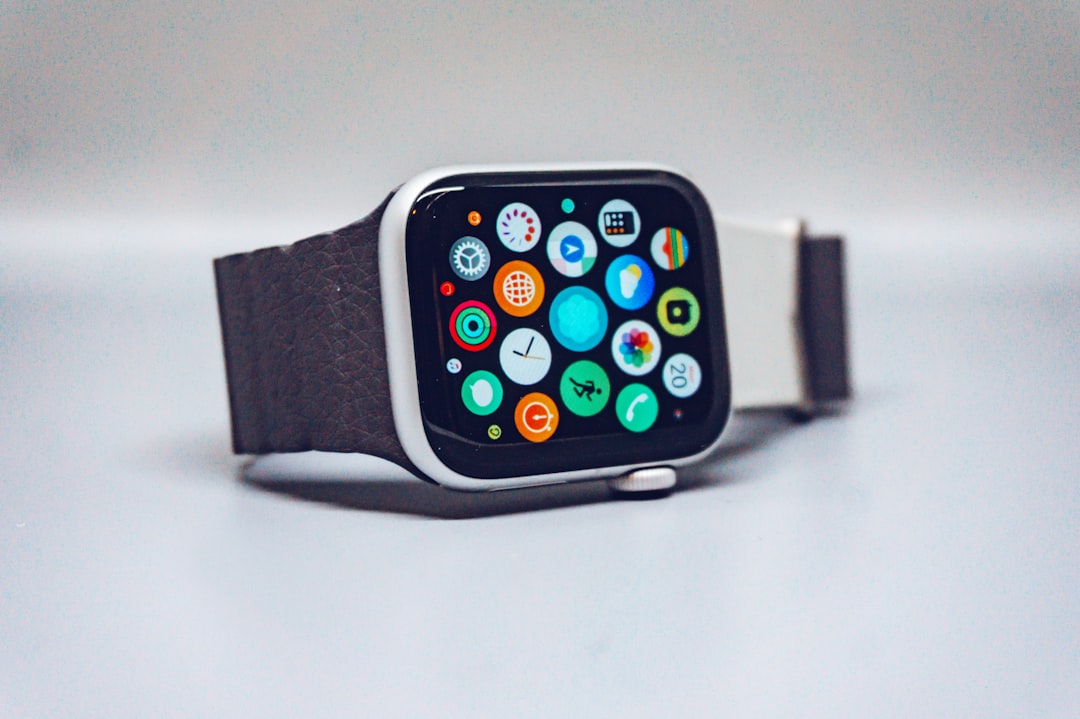
The Apple Watch is worn by an estimated 115 million people as of December 2022. That number alone tells the story. It is not a niche gadget anymore. It is a mass-market device, and it got there by selling roughly 4.2 million units in its first real quarter on the market back in 2015. The trajectory from 4.2 million to 115 million is the actual news here, not the launch hype.
Apple did not stumble into that number. The company has a rigid, almost mechanical release cycle. Every September, a new Series arrives. Internal components get faster. Features get added. The casing options shift. The budget watches, the Series 1 and the SE, are only sold in aluminum. The high-end Ultra is locked to a single 49 mm titanium case. This is not chaos. It is a tiered system designed to capture buyers at every price point, and it has worked for seven years.
The first Apple Watch shipped in April 2015. It was not the first smartwatch, but it became the world’s best-selling wearable device quickly. The 4.2 million units sold in the second quarter of fiscal 2015 proved demand was real. That was the foundation. But the 115 million figure is the structure built on top of it. That is the number that matters now.
One key detail in the device’s evolution is cellular connectivity. Starting with the Series 3, aluminum models got an option for LTE. That changed the device. A watch that could make calls and send data without a phone nearby stopped being a phone accessory. It became a standalone communication tool. That shift likely pulled in users who wanted independence from their iPhones during runs, errands, or work.
The device’s success is also tied to its role in health and fitness tracking. Apple marketed it as a health tool from the start. Heart rate monitoring, step counting, workout tracking. Those features were not gimmicks. They were the core pitch to health-conscious consumers. The 115 million users suggest the pitch landed. People bought it to track their activity, and they kept buying newer models for better sensors and more data.
Wireless telecommunication and integration with other Apple products and services are the other pillars. The watch works seamlessly with the iPhone, the iPad, the Mac. That ecosystem lock-in is real. Once a user owns an iPhone, the Apple Watch becomes a natural, almost frictionless addition. The company did not invent that strategy, but it executed it better than anyone else in wearable tech.
The range of options helps too. Different case materials, colors, and sizes. A buyer can pick a cheap aluminum model or a premium stainless steel or titanium one. The Ultra offers a rugged, large-screen option for outdoor enthusiasts. Each variant targets a specific buyer. The result is a product line that covers the entire wearable market, from budget to luxury, without confusing the customer too much.
The 115 million user estimate is not an official Apple number. Apple stopped reporting unit sales years ago. But analysts and researchers put the figure together from supply chain data and usage statistics. It is a reasonable estimate, and it matches the pattern of steady growth Apple has shown since 2015.
The Apple Watch is not a flash in the pan. It is a mature product with a massive installed base. The company updates it every September. It offers cellular options. It ties into the Apple ecosystem. It tracks health data. These are the reasons people keep buying it. The 115 million users are the proof.