Seventy thousand people died across Europe during the summer of 2022 because of heat. That number, published in late 2023 by the Barcelona Institute for Global Health, is not the earlier estimate. It is far higher. It is what the data eventually said after researchers went back and counted the dead properly.
The heat came in waves. First in June, when temperatures hit 40–43 °C in parts of Europe. France broke several national records. Then a second wave in July pushed north. The United Kingdom recorded a temperature above 40 °C for the first time in its history. A third wave hit in August. France and Spain saw 38 °C. Even into September, on the 12th, France hit 40 °C again. The heat did not let go easily.
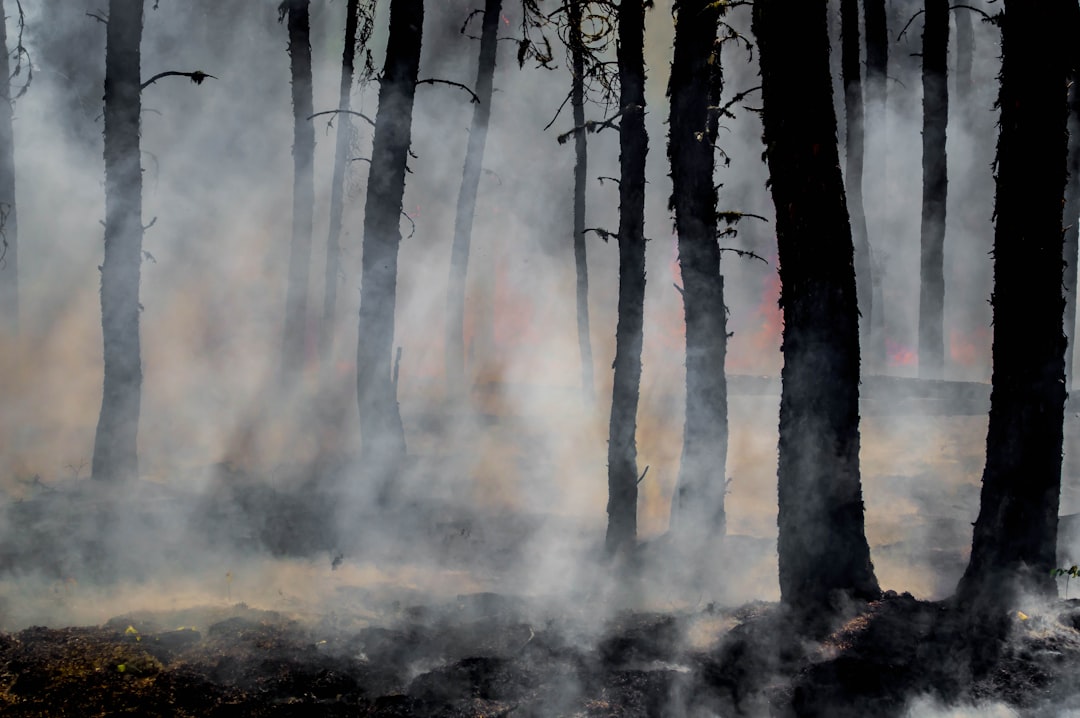
Those temperatures did not just kill people. They burned the land. Thousands of wildfires tore across the continent. Forests burned. Property burned. Drought sat on top of everything. Crops failed. Water supplies shrank. Rivers dropped too low for boats to move goods. The damage ran into billions of euros.
This was the deadliest meteorological event of 2022 in Europe. Not a flood. Not a storm. Heat. Silent, invisible, and relentless. It kills differently. It kills the old, the sick, the isolated. It kills people whose bodies cannot keep up with the temperature. And it kills them in their homes, in their apartments, often alone. No dramatic footage. No flooded streets. Just a body count that climbs slowly, then gets revised upward.
The revision matters. Earlier estimates, made closer to the event, were lower. They missed people. The Barcelona Institute study showed the real scale. Over 70,000 heat-related deaths. That is a city’s worth of people. That is the kind of number that should change how governments think about summer.
Scientists and public health officials have been saying it. Extreme heat events are becoming more frequent. The 2022 summer was not a freak occurrence. It was a pattern. The question is what happens when a summer like that becomes normal. Or when a summer worse than that arrives. The infrastructure is not built for it. The public health systems are not ready for it. The warning systems, the cooling centers, the check-ins on vulnerable people — none of it scales to 70,000 deaths.
The fires and the drought compound the problem. A wildfire does not just burn trees. It destroys homes. It fills the air with smoke that makes breathing dangerous, especially for people already struggling with the heat. Drought does not just dry up fields. It raises food prices. It disrupts supply chains. A heatwave is not a single disaster. It is a trigger for cascading failures.
France, Spain, the United Kingdom — these are not poor countries. They have resources. They have advanced health systems. And still, tens of thousands died. That is the stakes. If wealthy nations cannot protect their populations from heat, what does that mean for the rest of the world? What does it mean for next summer, and the summer after that?
The 2022 heatwaves are not ancient history. They are last year’s news, already being updated with worse numbers. The dead are counted. The damage is tallied. The pattern is clear. The question is whether the response will match the scale of the problem. The heat is not waiting for an answer.