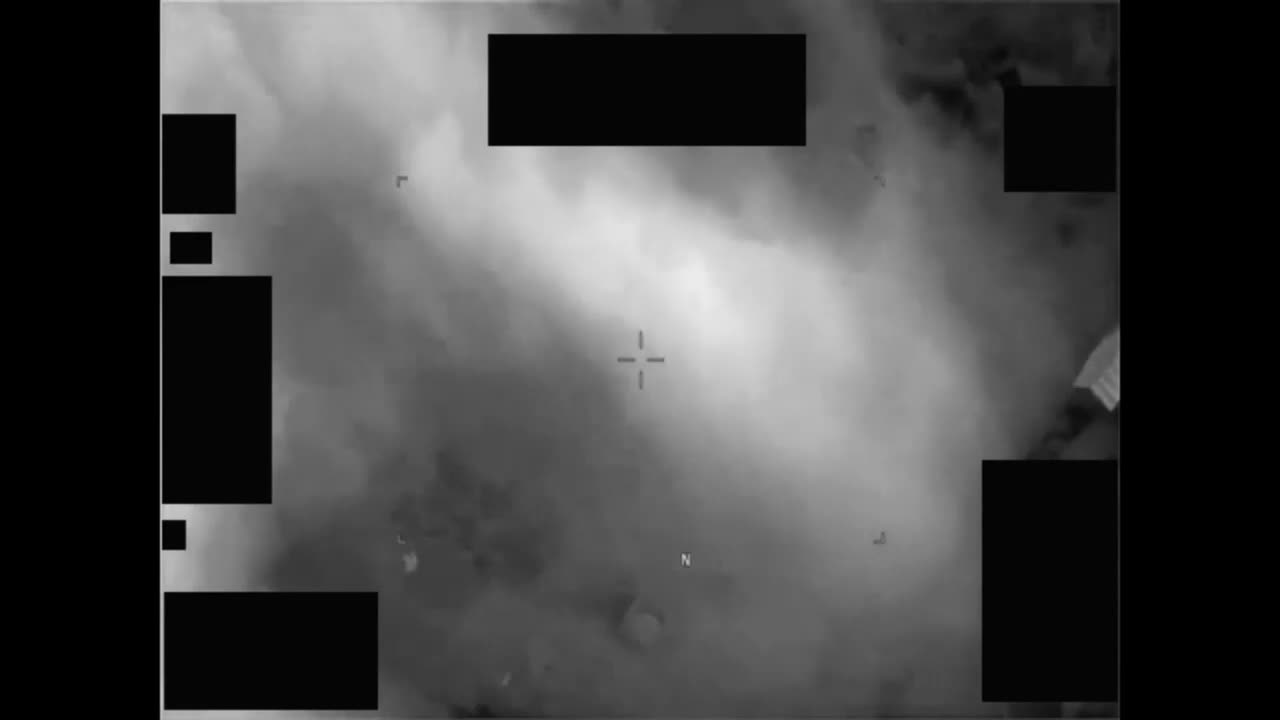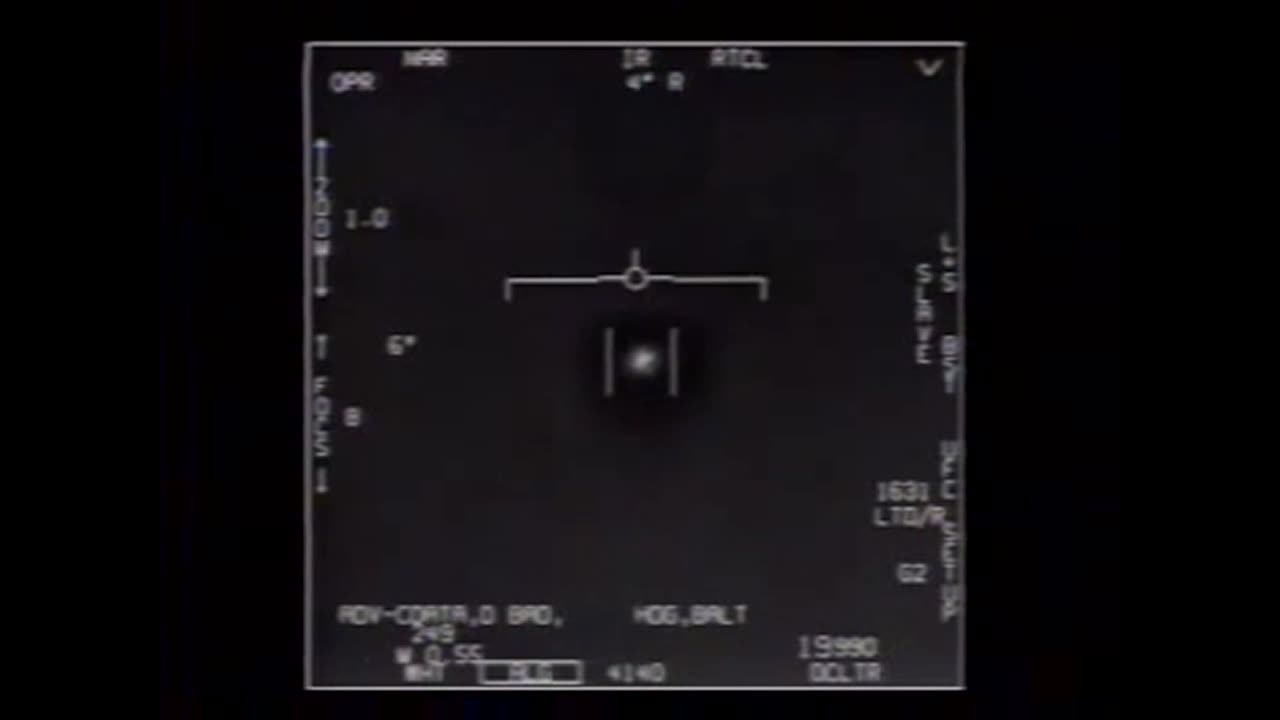
The single image at the center of the government’s latest UAP disclosure is grainy, monochrome, and marked with a simplified crosshair. Two small, dark, elongated objects sit near the center of the frame, in the bottom right quadrant. That is all the public gets.
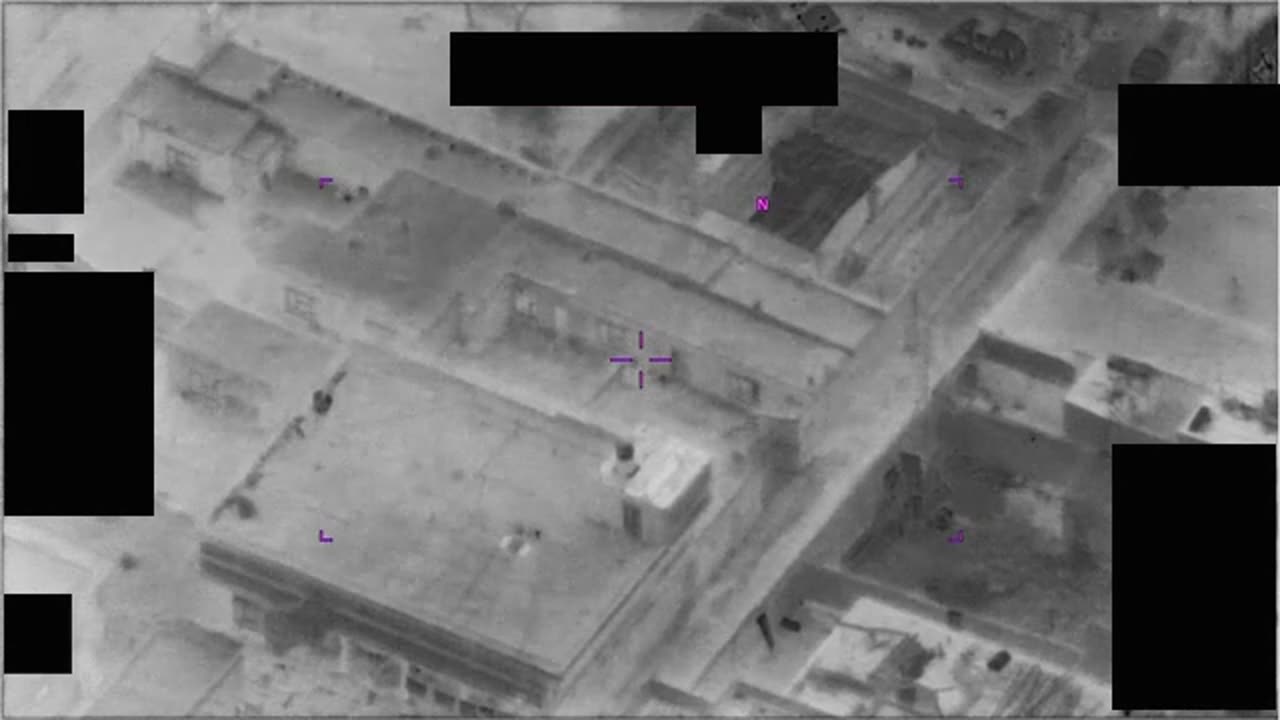
The image, labeled “FBI Photo B13,” was released May 8, 2026, as part of the PURSUE archive. It came from the U.S. Department of War. The FBI submitted the still image to the Pentagon’s All-domain Anomaly Resolution Office, or AARO. The picture was derived from a U.S. military system. But the original imagery was altered. Redactions were applied before the submission ever reached AARO.
No accompanying mission report was provided.
The operator who captured the image reported they could not positively identify the UAP. The document itself includes a partial timestamp: “12131199 18:19:5~.” The official summary notes the date is incorrect. The system’s date and time were not set.
A close read of the redactions
The redactions themselves are the story here. The FBI submitted a report to AARO. That report consisted of a single, redacted still image. The accompanying description is careful to say it is for “informational purposes only.” It explicitly warns readers not to interpret any part of the narrative description as reflecting “an analytical judgment, investigative conclusion, or factual determination” about the event’s validity, nature, or significance.
That is a lot of caveats for one picture.
The event happened in late 2025 in the Western United States. The image came from a military system, but the system’s clock was wrong. The operator could not identify the object. The mission report was withheld. The original imagery was redacted before it was handed over.
What is left is a grainy frame with two dark smudges and a crosshair.
The PURSUE archive release makes the document publicly available as a PDF. The PDF viewer was unavailable in the browser, meaning users must download the 0.1 MB file to view it. The document text excerpt shows the partial timestamp, but the official summary states the date is incorrect. The system date and time not being set is a technical detail, but it means the single piece of metadata that could anchor the event in time is unreliable.
The operator’s inability to identify the UAP is the only firsthand account on record. No second operator is mentioned. No follow-up analysis is included. No chain of custody for the image is described beyond the FBI’s submission to AARO.
What the document does and does not say
The document is titled “FBI Photo B13.” The FBI submitted a report of a UAP to AARO. That report included a still image derived from a U.S. military system. The original imagery was altered with redactions before being submitted. An accompanying mission report was not provided.
The operator reported that they were unable to positively identify the UAP. The record notes the date in the image is incorrect due to the system’s date and time not being set.
The narrative description of the image is provided for informational purposes only. It describes a monochrome image with a grainy texture and a simplified central crosshair. Two small, dark, elongated objects are visible near the center of the frame in the bottom right quadrant. The document explicitly states that readers should not interpret any part of this description as reflecting an analytical judgment, investigative conclusion, or factual determination regarding the described event’s validity, nature, or significance.
The document text excerpt includes a partial timestamp reading “12131199 18:19:5~,” though the official summary notes the date is incorrect.
The release is part of the PURSUE archive. The U.S. Department of War made the document public on May 8, 2026. The incident occurred in late 2025 in the Western United States.
That is the entirety of the factual record. One image. Two dark objects. A bad timestamp. No report. Redactions. And a disclaimer that the government’s own description should not be taken as fact.