Lithium’s instability is its defining feature. That is the fact everything else follows from — the careful storage, the rapid tarnishing, the way it cannot be found free in nature. The nucleus of the lithium atom has among the lowest binding energies per nucleon of any stable nuclide. That is a technical way of saying the thing is barely holding together.
This is the element that powers much of modern life, and it is chemically anxious. It reacts. It corrodes. It must be kept in a vacuum, or in an inert atmosphere, or submerged in purified kerosene or mineral oil. Let it sit in open air and the metallic luster vanishes, replaced by a dull silvery gray, then a black tarnish. The metal is soft. It is the least dense solid element under standard conditions. But its reactivity is the property that matters most.
That reactivity is what makes lithium useful. It is also what makes it dangerous. The report notes this is a double-edged sword. Special handling is required. The same quality that allows lithium to function in batteries and alloys is the quality that demands it be stored away from air and water. There is no separating the two.
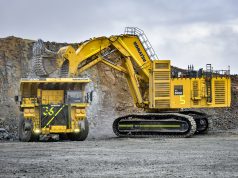
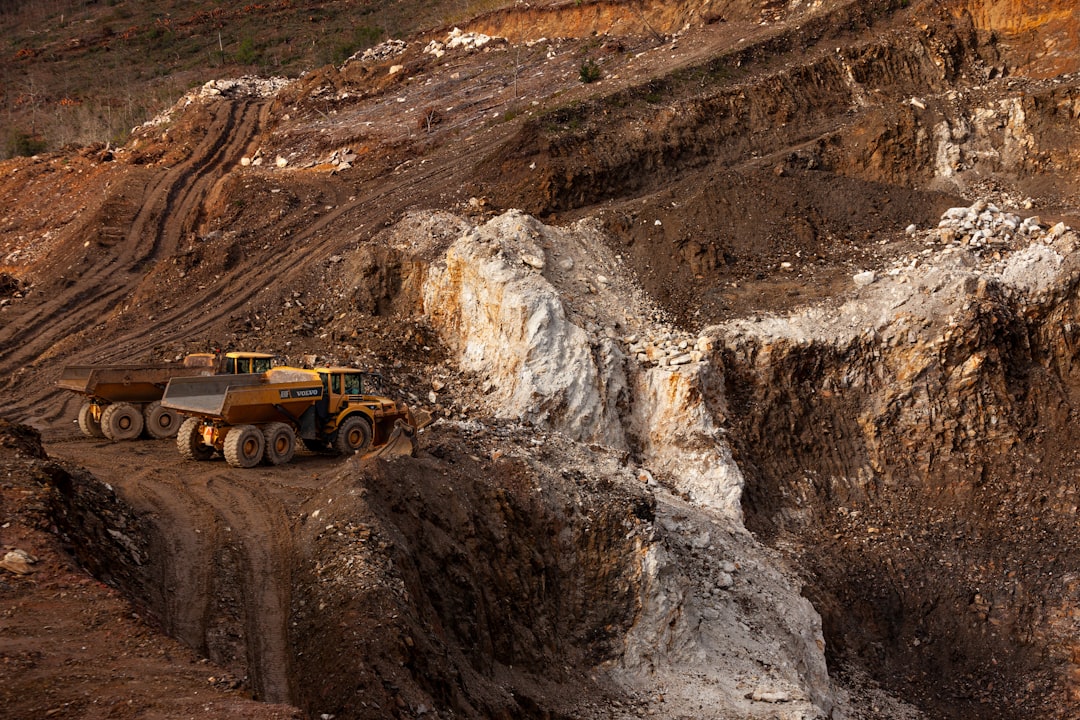
Lithium does not occur freely in nature. It is locked up in pegmatitic minerals, which were once the primary source. Now it is commonly obtained from brines. The ion is soluble, so it ends up in ocean water. The extraction process is electrolytic — isolating the metal from a mix of lithium chloride and potassium chloride. That process has been refined over time, allowing more efficient and cost-effective production. But the fundamental challenge remains: you are pulling a reactive metal out of compounds where it is stable, and then you have to keep it that way.
Two stable isotopes exist. Both have low binding energies. That instability is reflected in lithium’s behavior at the atomic level, and it shows up in how the metal behaves in a factory or a lab. It is not a passive material. It wants to react.
This is the core fact that the broader conversation about lithium tends to skip over. People talk about lithium as a resource, a commodity, a key to the energy transition. They talk about reserves and supply chains. But the element itself has physical and chemical constraints that do not care about supply chains. It corrodes. It catches fire. It has to be isolated from the environment. Those constraints are not going away because demand rises.
The report, dated September 12, 2024, says understanding of lithium’s characteristics continues to evolve. Research and technological advancements drive that evolution. But the basic facts of the element are not new. The low density, the high reactivity, the need for inert storage — these have been known for decades. What is new is the scale at which lithium is being used, and the pressure that puts on handling and safety protocols.
Lithium is light. It is reactive. Its nucleus is barely stable. Those three facts are the story. Everything else — the brines, the pegmatites, the electrolytic extraction — is a workaround for those facts. The workarounds have gotten better. The facts have not changed.