Taal Volcano sits in the middle of a lake. That simple geographic fact is the reason Philippine authorities now warn that a volcanic tsunami could hit towns around its shores — if the eruption escalates further.
The Philippine Institute of Volcanology and Seismology, known as Phivolcs, put that warning online January 13. The mechanism is straightforward. Magma rising beneath the lake floor deforms it. That deformation shoves water aside. The displaced water becomes a wave. A wave in a confined lake can slam into communities that have nowhere to run.
Phivolcs described the scenario bluntly on its website: “A volcanic tsunami may occur in caldera lakes when water is displaced by deformation of the lake floor caused by rising magma.” The warning came with a scale. An eruption column 15 kilometers high could accompany such a tsunami. Flooding would follow.
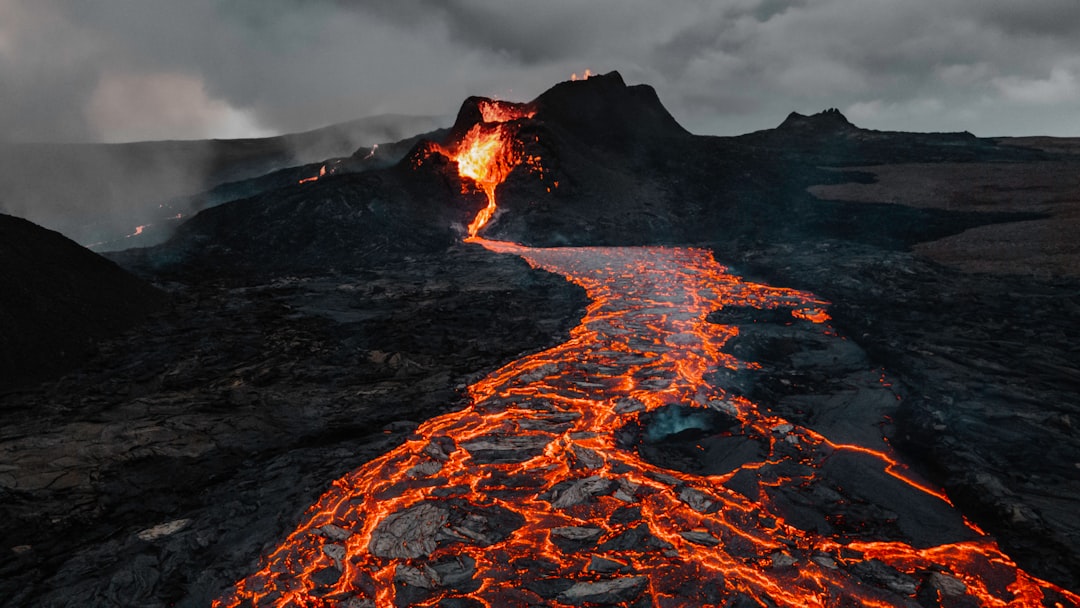
The volcano, 60 kilometers south of Manila, began exploding steam on the afternoon of January 12. By the next morning, Phivolcs had raised the alert to Level 4. That means magmatic eruption is underway, with lava fountaining. Level 5 is the top of the scale. Phivolcs said that level might be reached within days if the volcano remains restless. At Level 5, extreme hazards are expected.
Renato Solidum, Phivolcs director, said the institute is monitoring closely and is ready to raise the alert if needed. No one is pretending this is routine.
The army moved fast. The Philippine Army’s 2nd Infantry Division had evacuated more than 23,000 residents of Batangas province by 5:00 AM on January 13. Military trucks rolled into the most affected towns: Balete, Laurel, San Nicolas, Talisay, and parts of Lipa and Tanauan City. Lieutenant General Gilbert Gapay, commander of the Philippine Army, called it a precautionary measure for resident safety.
That number — 23,000 evacuated — is a snapshot of a single morning. More people may leave. The danger zone wraps around Taal Lake, and the volcano sits on an island inside that lake. An eruption at Level 5 does not just throw ash. It can throw the lake itself at the shore.
This is not the first time Taal has threatened. The volcano is one of the Philippines’ most active. But the combination of a lake setting and a potential Level 5 eruption creates a specific risk. A volcanic tsunami is different from a seismic one. It is not caused by an earthquake shaking the seafloor. It is caused by the ground physically rising or sinking as magma moves underneath. That movement happens inside a body of water. The water has no choice but to move with it.
The timing matters. The eruption started on a Sunday afternoon. By Monday morning, the alert was at Level 4 and thousands were already out of their homes. The army did not wait for Level 5. They moved while the volcano was still at Level 4, while lava was fountaining but the caldera lake had not yet been deformed enough to produce a wave.
Phivolcs has been clear about what comes next. If the unrest continues, Level 5 will be declared. At that point, the tsunami warning becomes active — not a prediction, but a stated possibility backed by the physics of a volcano sitting in water. The lake that makes Taal scenic is also what makes it dangerous.
For now, the evacuated residents of Batangas wait. The volcano is being watched. The army trucks are ready. And Phivolcs has put the word out: a volcanic tsunami is not a theoretical curiosity. It is a real hazard, tied directly to whether the alert level goes up one more notch.