BEIJING, June 3 — Chinese engineers have made significant progress in developing hyper-realistic robot faces, sparking a public discussion about the ethics of humanoid machines that are difficult to distinguish from people.
A demonstration of a lifelike female robot face by Yuhang Hu, founder of Shouxing Technology, drew wide attention for how closely it resembled a real human. The demonstration suggests that such technology is already within reach of today’s robotics industry, raising questions about consent, deception, and the uncanny valley.
Experts are debating the implications of creating robots that are almost indistinguishable from humans.
Supporters of the technology say that convincing faces could make robots more approachable in service and care settings. This could potentially lead to more effective interactions between humans and robots, making them more useful in various applications. However, critics warn that indistinguishable humanoids could be misused, highlighting the need for careful consideration of the ethics involved.
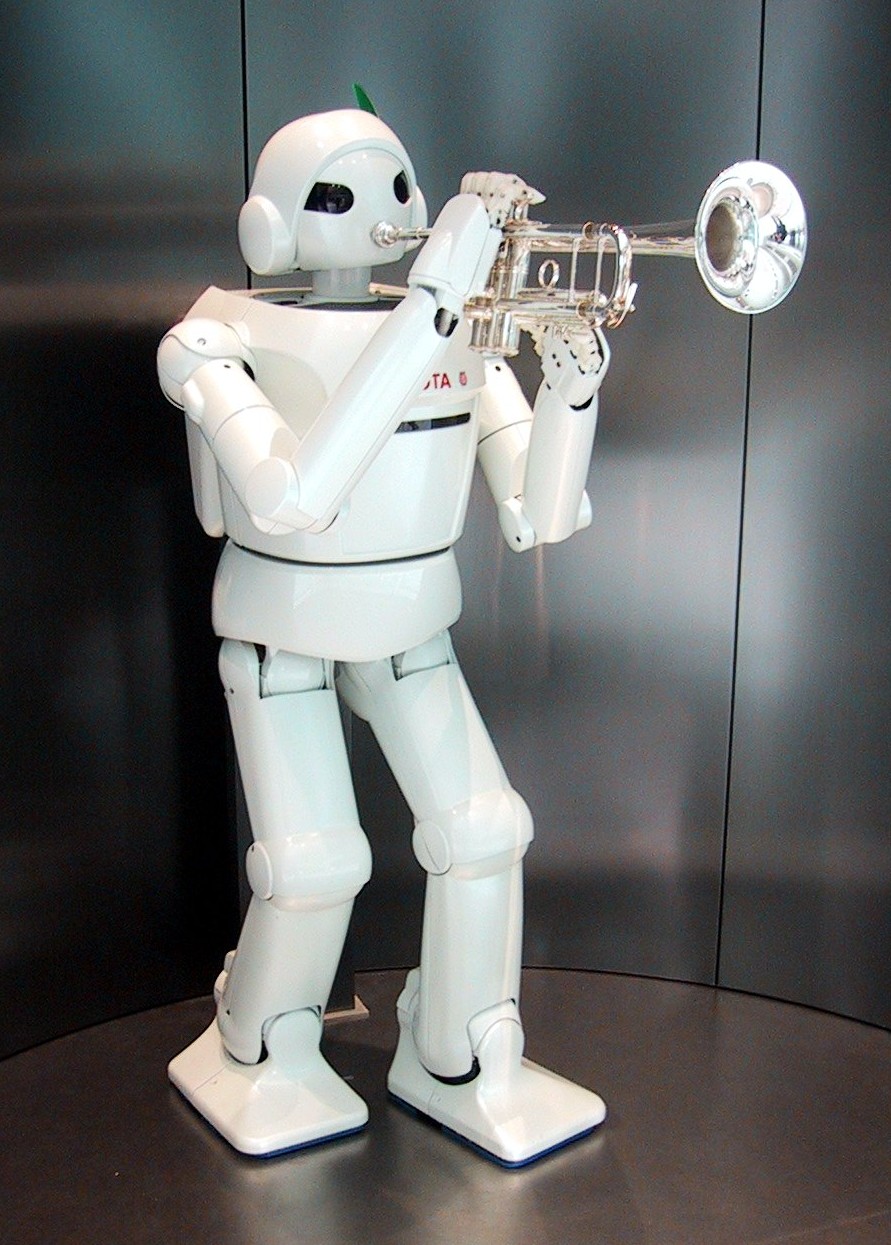
The development of hyper-realistic robot faces reflects a broader global race to advance humanoid robotics, in which Chinese firms have become increasingly prominent. The work of Yuhang Hu and Shouxing Technology is a notable example of the progress being made in this field.
As the technology continues to evolve, it will be important to consider the potential consequences of creating robots that are increasingly similar to humans.
What happens next will be crucial in determining the direction of this technology. As the debate surrounding hyper-realistic robot faces continues, it will be important to watch for further developments and innovations in the field of humanoid robotics.
The Future of Humanoid Robotics
The demonstration of the lifelike female robot face is a significant milestone in the development of humanoid robotics.
As Chinese firms continue to advance in this field, it will be exciting to see the potential applications of this technology. From service and care settings to other areas, the possibilities are vast and varied.
With the global race to advance humanoid robotics underway, it will be interesting to see how different countries and companies contribute to the development of this technology. The work of Yuhang Hu and Shouxing Technology is just the beginning, and it will be exciting to see what the future holds for hyper-realistic robot faces and humanoid robotics as a whole.