WASHINGTON — The star at the center of the Cranium nebula is dying. It has maybe a few thousand years left. When it goes, it will either explode as a supernova or collapse into a white dwarf. That end is baked into the image the James Webb Space Telescope just sent back.
What Webb captured is the sharpest view yet of planetary nebula PMR 1. It is called the Cranium because it looks like a human brain inside a transparent skull. A dark lane runs vertically through the center, splitting the nebula into two lobes. They resemble the hemispheres of a brain. That is not a metaphor the astronomers chose lightly. The resemblance is uncanny.
The nebula is an expanding shell of ionized gas and dust. A dying star cast it off as the fuel in its core ran out. The central star is several times more massive than the Sun. It is in its final act. The gas and dust around it are the evidence of that act. The shape, scientists believe, is carved by twin polar jets blasting from the star. That process is not fully understood. The new images are meant to change that.
Spitzer first saw this nebula in 2013. That was a decade ago. Spitzer gave astronomers a blurry outline. Webb gives them anatomy. The telescope captured the nebula in near- and mid-infrared light. Those wavelengths pierce dust that blocks visible light. Features that were invisible before are now plain. The detail is not decorative. It is data.
What is at stake is understanding how stars end. Planetary nebulas are the final stage for stars like the Sun and somewhat larger ones. The Cranium is a particularly clear example of that transition. The gas and dust are not just debris. They are the raw material for future stars and planets. The way the nebula is shaped — the lobes, the dark lane, the jets — tells scientists how the star shed its outer layers. If they can read that process correctly, they can predict what happens to similar stars. That includes stars that might one day host planets. That includes, eventually, the Sun.
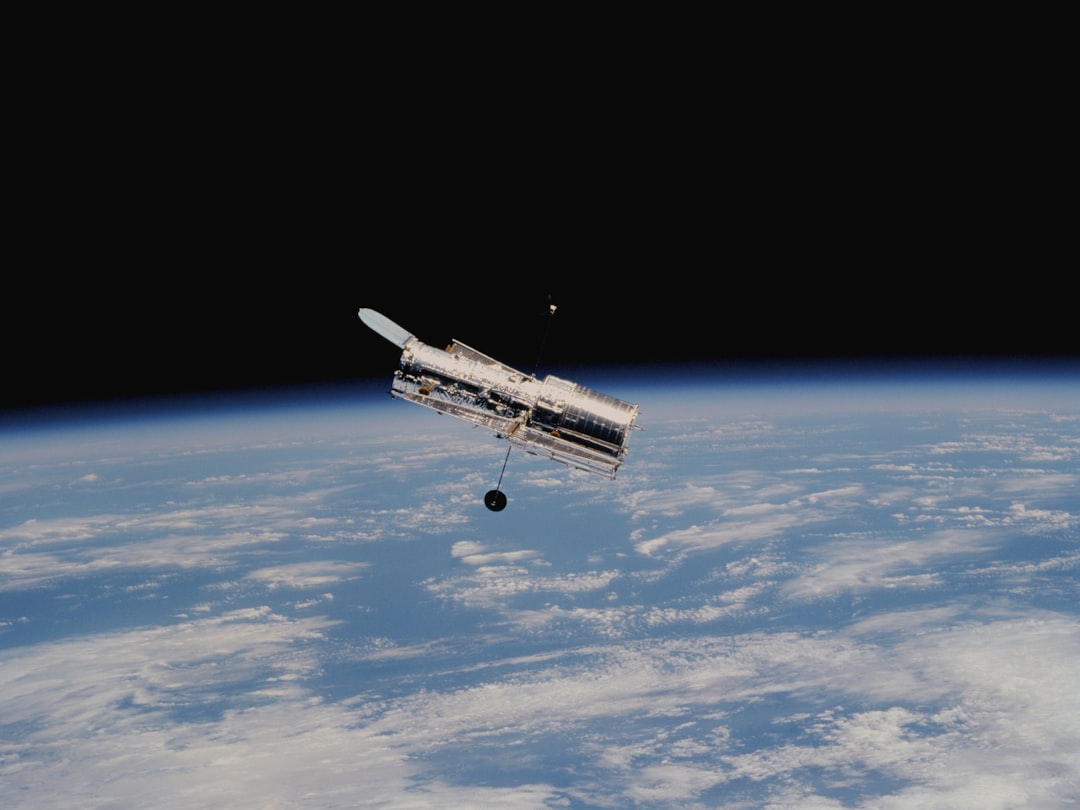
The Webb telescope is built for this kind of work. It launched in 2021. It sits a million miles from Earth. Its mirror is 21 feet across. It sees infrared light that the Hubble Space Telescope cannot. The Cranium images are one result. There will be more. The telescope is still exploring. It will keep revealing secrets about star formation and galaxy evolution. That is its purpose.
The release of these images is a milestone. It is not a small one. Planetary nebulas are short-lived in cosmic terms. They last maybe ten thousand years. That is a blink. The Cranium is in that blink right now. Webb caught it in a moment that will not come again. The next generation of telescopes will see other nebulas. They will not see this one the same way.
The nebula is not alive. It only looks like a brain. But the process that made it is the same process that made every element heavier than hydrogen and helium. Those elements are in your body. They are in the air. They came from stars that ended like this one will. The Cranium is a picture of that cycle. Webb just made it the clearest picture yet.