The dead are nameless in the official record for now. Sixty-seven of them. The PSA Airlines Bombardier CRJ-700, an American Eagle regional jet, collided with a U.S. Army Sikorsky UH-60 Black Hawk helicopter over the Potomac River near Reagan National Airport on January 29. No survivors. The airport shut down. The air travel network around the nation’s capital seized up.
But the story of that night, the one that will be told in hearings and lawsuits and memorials for years, is not just about the crash itself. It is about the machine that put those two aircraft in the same patch of sky at the same moment. That machine is Reagan National Airport, a critical piece of infrastructure jammed into one of the most restricted and complex airspaces on the planet. The airport sits just across the river from downtown Washington. Every approach to its runways is a low-altitude, high-stakes ballet with no-fly zones, military training routes, and helicopter traffic from nearby military bases. The Black Hawk was on a training flight. The CRJ-700 was on a scheduled passenger run.
The collision force was severe. That is the only detail available about the impact itself. The wreckage is in the river. The investigation will take months, maybe longer. But the structural pressure on that airspace was there long before the metal hit the water.
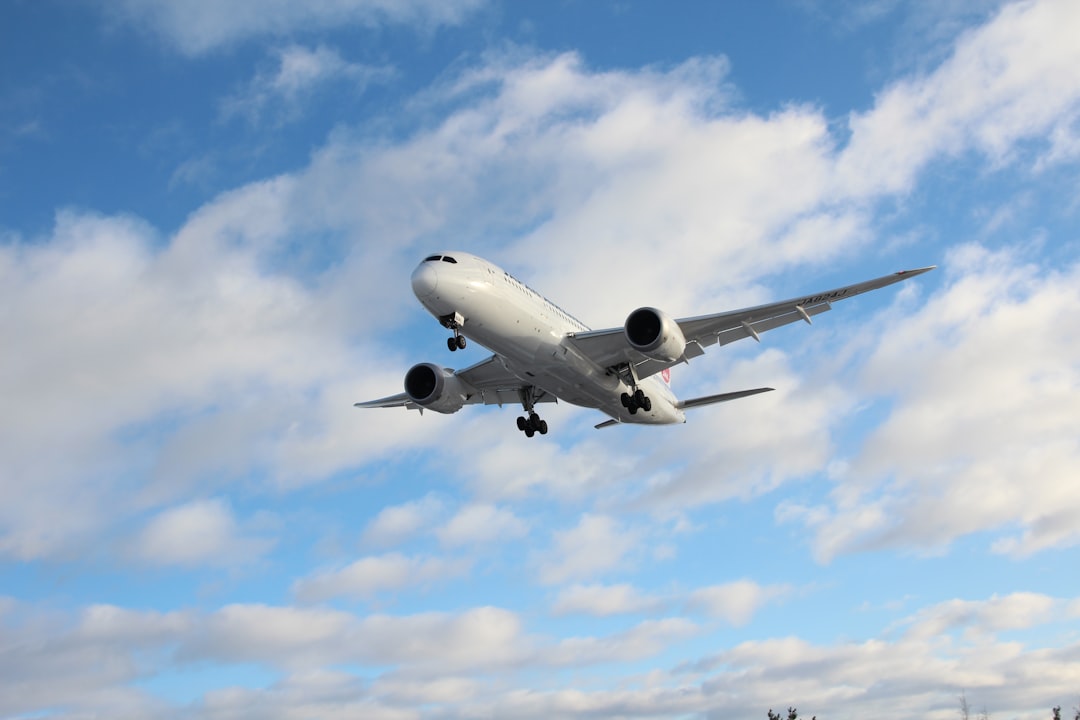
PSA Airlines, the operator of the regional jet, is a wholly owned subsidiary of the American Airlines Group. It is not a small operation. The company employs over 5,000 people and runs more than 800 flights a day to nearly 100 destinations. It exclusively flies the Bombardier CRJ-700, a regional jet model that is a workhorse of American Eagle service. The airline had just announced a headquarters move from Dayton, Ohio to Charlotte, North Carolina, to be based at Charlotte-Douglas International Airport. That relocation was supposed to mark a new chapter. Now the chapter is about survival, litigation, and the question of whether the airline’s training and scheduling protocols contributed to the disaster.
The U.S. Army owns the Black Hawk. The helicopter was part of a routine military operation. The details of that operation—its route, its altitude, its communication with air traffic control—are not yet public. But the presence of military aircraft in the same approach path as commercial jets is a known tension point at Reagan National. The airport’s proximity to the Pentagon and other military installations means the two worlds overlap constantly. That overlap has been managed for decades. On January 29, it was not managed well enough.
Sixty-seven people are dead. The flights in and out of Reagan National were grounded immediately. The ripple effect stranded thousands of passengers across the country. The airport, a major hub for connecting the Washington region to the rest of the United States, became a scene of chaos and grief. The National Transportation Safety Board will lead the investigation. The Federal Aviation Administration will review its procedures. The Army will review its own. None of that brings back the dead.
The question that hangs over the Potomac is a simple one. How did two aircraft, both in communication with air traffic control, both operating in the same congested airspace, end up in the same point in space at the same time? The answer will be technical. It will involve radio frequencies, transponder codes, altitude readings, and human judgment. But the root of it is structural. The system that manages the sky over Washington was built for a different era of traffic. The number of flights, the mix of commercial and military, the speed of the aircraft—all of it has increased. The margin for error has shrunk. On January 29, it vanished.
For the families of the 67, the wait for answers has just begun. For the rest of the country, the crash is a warning. The infrastructure that moves people through the nation’s capital is under stress. The collision was the consequence.