The tornadoes that tore through Texas, Oklahoma, and Arkansas on May 25 did not arrive without warning. Meteorologists had flagged the conditions days earlier. A volatile mix of warm, moist air from the Gulf of Mexico collided with a dry, fast-moving jet stream overhead. That collision created the environment for violent storms to spin up quickly and with little notice after dark.
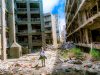
Fifteen people are dead. Rescue crews are still working through rubble, searching for others. The number could rise. In each state, the tornadoes followed paths that carved through small towns and rural stretches where homes sit close to open fields. There is no concrete barrier against a direct hit from a tornado of that strength. The damage reports describe homes flattened, businesses reduced to splinters, and infrastructure torn apart. Power lines are down. Roads are blocked. Cell service in some areas remains spotty, complicating rescue coordination.
This outbreak fits into a broader pattern that scientists are still trying to pin down. The report notes that some researchers argue changing weather patterns may be contributing to more extreme events. But it also states plainly that the exact relationship is not fully understood. What is known is that the conditions that produce tornado outbreaks are becoming more common in parts of the central United States. The timing of these events is shifting, too. Tornado season used to peak in spring. Now it stretches later into the year and sometimes arrives earlier. The overnight nature of this outbreak made it especially dangerous. People were asleep. Fewer saw the warnings. Sirens can only do so much when a storm hits at 2 a.m.
The response from state and local officials has been focused on immediate needs. Search and rescue. Emergency shelter. Food and water distribution. The federal government has been notified. Disaster declarations are expected. But the report makes clear that the recovery will take time. Rebuilding homes and schools and hospitals is not a matter of weeks. It is a matter of years. And it costs money that small towns often do not have.
Some of that money, the report suggests, should go toward making infrastructure more resilient. That means stronger building codes. Reinforced roofs. Safe rooms in schools and community centers. It also means looking at energy systems. When the power grid fails after a disaster, it is not just an inconvenience. It can be a matter of life and death. People need electricity for medical equipment, for refrigeration, for communication. The report points to renewable energy sources like wind and solar as a way to improve energy security during emergencies. Those systems can be distributed, less vulnerable to a single point of failure. They can keep running when the main grid goes down.
None of this is new. The same conversations happen after every major tornado outbreak. The same calls for better preparation, better forecasting, better building. The same promises. The difference this time is the death toll. Fifteen people. The question that hangs over the recovery is whether the lessons from this outbreak will stick, or whether they will fade as the debris is cleared and the news moves on.
The communities in Texas, Oklahoma, and Arkansas are now in the hard part. Not the storm itself, but the morning after. The counting. The digging. The long walk through what used to be a street. The report says they will look to their leaders for support and guidance. That is true. But leaders can only do so much. The rest falls on the people who live there, the neighbors who show up with chainsaws and water bottles, and the slow, grinding work of putting a life back together.