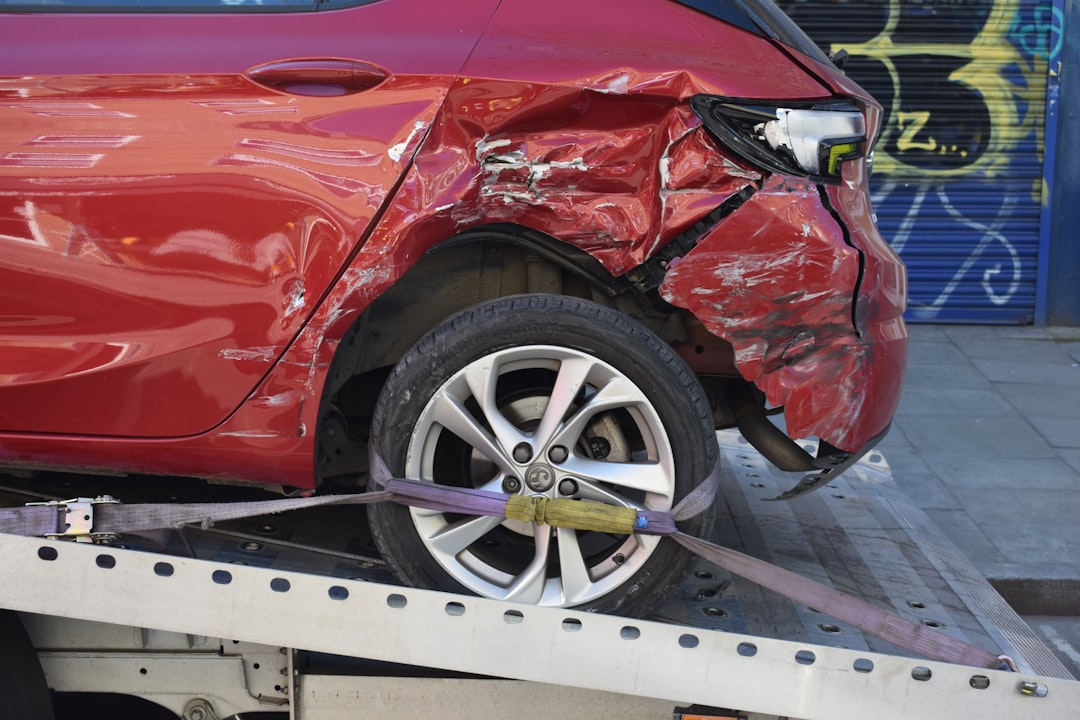
The 80-year-old driver who lost control of his car in Lanciano on April 25 did not just kill one man and injure two women. He crashed into the 80th anniversary of Italy’s liberation — a date that marks the end of German occupation in 1945. The numbers align grimly. An octogenarian driver. An eight-decade milestone. One dead. The symmetry is accidental but unavoidable.
The celebration in Lanciano, in the Province of Chieti, was meant to honor the Allied campaign that began with the invasion of Sicily in July 1943. That campaign, planned by the joint Allied Forces Headquarters, was a complex operation involving multiple forces. It led to the surrender of Axis forces in May 1945. The liberation is a pivotal moment in Italian history. Now it shares a headline with a traffic accident.
Police have not said what caused the driver to lose control. The report offers no mechanical failure, no medical episode, no road hazard. Just an 80-year-old behind the wheel. That is where the focus has landed. Older drivers. Their fitness to drive. The need for regular checks.
Italy’s population is aging. So is its driver pool. The country has no blanket mandatory road test for seniors. Some regions require medical certificates after a certain age. Others do not. The patchwork system leaves gaps. A driver can be 80, still licensed, still driving to a liberation ceremony. Then something goes wrong. The car plunges into a crowd. A man is dead. Two women are injured. The community is in shock.
This is not the first time an older driver has caused a mass casualty event in Europe. Germany, France, Spain have all seen similar incidents. Each time, the reaction follows a pattern. Outrage. Grief. Then a push for stricter licensing laws. Then the momentum fades. The laws stay the same. Until the next accident.
Lanciano’s tragedy may be different. The date matters. April 25 is a national holiday. The celebration was large. The victims were gathered to remember a war that ended 80 years ago. The driver was born around the time that war ended. He was a child when Italy was liberated. Now he is the subject of an investigation into whether he should have been driving at all.
The injured women are in hospitals. The dead man’s name has not been released. The driver’s name has not been released. The report gives no quotes from officials or witnesses. No one has said what will happen next. But the trajectory is clear. The conversation will turn to older drivers. To testing. To licensing. To the balance between independence and safety.
Italy’s liberation campaign was a military operation. It required planning, coordination, sacrifice. It succeeded. Keeping elderly drivers safe on the roads is a different kind of campaign. It requires testing, medical oversight, enforcement. It has not yet succeeded. Lanciano is the latest proof.
The investigation continues. The community mourns. The 80th anniversary is now a date of dual meaning. Liberation and loss. The forces behind the accident — age, infrastructure, policy — are not new. They are likely to lead to more debate. Possibly to new laws. Possibly not. The pattern holds.