Gaza Airstrikes Send Shockwaves Through Already Fragile Region
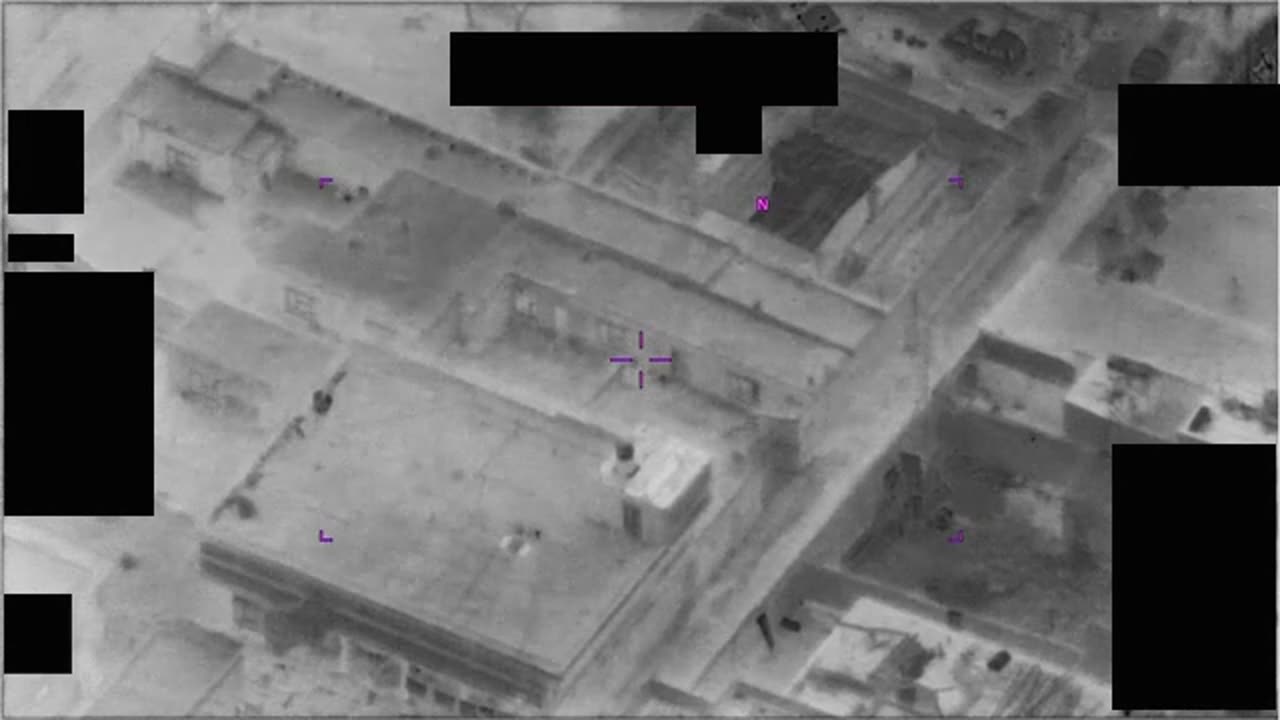
Twenty-seven dead. That is the toll from Israeli airstrikes across Gaza Strip cities on September 6, 2024. One target was the Nuseirat refugee camp — a dense, packed place where families have lived for generations. The dead include men, women, and children. The numbers will likely rise as rescue crews dig through rubble.
The Gaza Strip sits squeezed between Egypt and Israel. It is small — about 25 miles long. More than two million people live there. Many cannot leave. The borders are sealed tight. So when bombs fall, there is nowhere to run.
This is not a new war. It is the latest chapter in a conflict that has ground on for decades. Tensions between Israelis and Palestinians have defined life here since before the British Mandate period after World War I. Back then, Palestinians made up roughly 90 percent of the population. Then Jewish immigration swelled. The land changed. Bitterness took root.
The airstrikes hit cities hard. Nuseirat camp is no military base — it is a refugee camp turned permanent neighborhood. Narrow streets, small shops, concrete homes stacked close together. An airstrike there kills people in their beds. It kills children playing outside. It kills the old and the sick.
The international community is watching. That is what the phrase usually means — diplomats issue statements, UN officials hold press conferences, resolutions get drafted. None of that brings back the dead. None of it opens Gaza’s borders.
The United States has not yet issued a formal statement. That silence is notable. Washington has long backed Israel’s right to self-defense. The Biden administration has also pushed for stability. But stability is a hard sell when bombs are falling. US diplomats usually step in eventually — urging restraint, calling for de-escalation. Whether that happens this time is unclear.
China has said nothing publicly. Beijing has been busy in the Middle East lately, pushing economic deals and its Belt and Road Initiative. But Chinese diplomats tend to stay quiet on the Israeli-Palestinian front. They do not wade into these waters often. That may change as China’s regional influence grows, but for now, silence.
The Palestinian population carries a deep history. They are the indigenous people of the Levant — a cultural identity that predates modern borders. The British Mandate period changed everything. Jewish immigrants arrived in waves. Tensions turned into conflict. A unified Palestinian national identity formed in response to displacement and statelessness.
Now, after decades of war, occupation, and failed peace talks, the cycle repeats. Airstrikes. Funerals. Anger. More airstrikes.
What comes next is hard to predict. The violence could escalate. Militant groups in Gaza may fire rockets into Israel. Israel may strike harder. Civilians on both sides will pay the price. Or the international community may step in hard — pushing for a ceasefire before the situation spirals further.
The United States holds the most leverage. It gives Israel billions in military aid. It has the ear of Israeli leaders. But the Biden administration has other crises to manage — Ukraine, the Indo-Pacific, domestic politics. Gaza can feel like a distant problem in Washington. It is not distant for the families in Nuseirat camp, burying their dead under a hot September sun.
Twenty-seven dead. The number will keep climbing. The region will keep burning. And the world will keep watching — waiting to see if anyone does anything more than that.