The Battle of Khartoum, a major strategic confrontation for control of Sudan’s capital, commenced on April 15, 2023, as the paramilitary Rapid Support Forces (RSF) clashed with the Sudanese Armed Forces (SAF) in and around the city. This conflict is part of the ongoing civil war in Sudan, with the RSF attempting a coup d’état by capturing key locations such as Khartoum International Airport, several military bases, and the presidential palace.
The events leading up to the battle began on April 13, 2023, when tensions rose in Khartoum and Merowe due to the mobilization of RSF forces. In response to this mobilization, the SAF issued a statement on the same day, acknowledging “a possibility of a confrontation between SAF and RSF forces.” This statement introduced fears of a wider conflict, which would eventually materialize. The situation escalated further in the evening of April 14, 2023, when RSF forces launched an assault on the Khartoum International Airport, a military base, and the presidential palace, setting the stage for the intense battle that would follow.
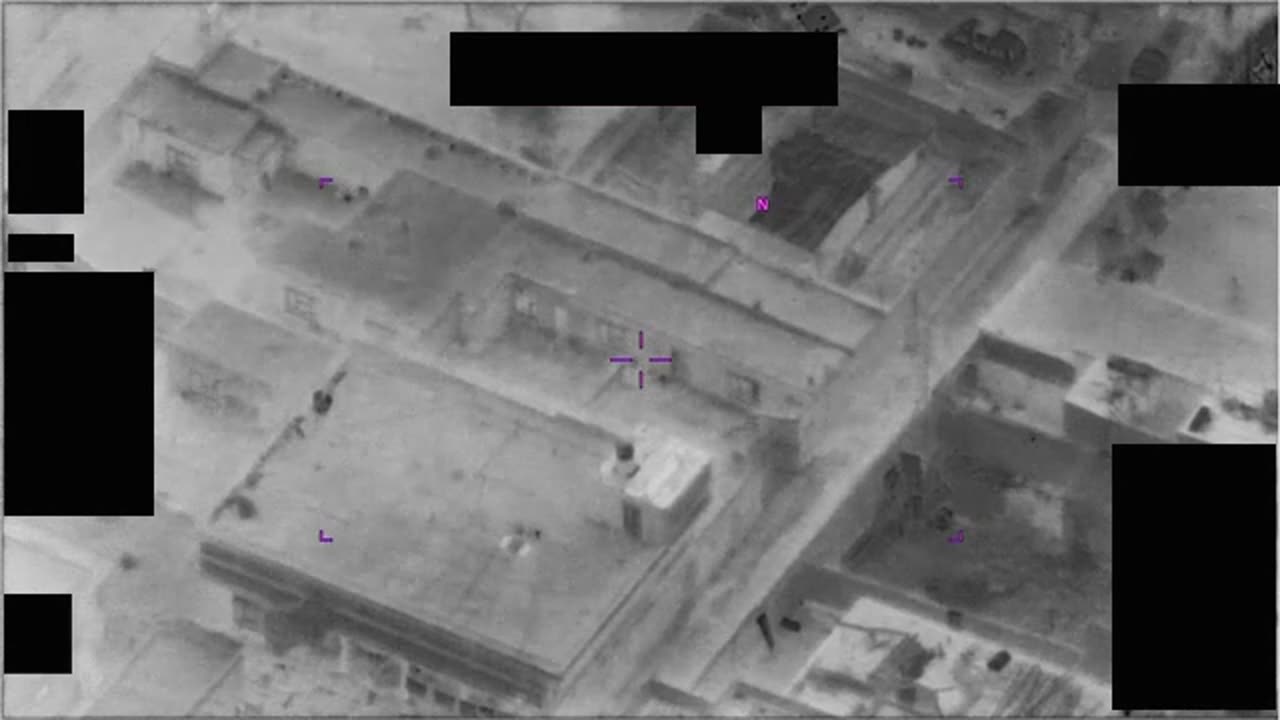
The Battle of Khartoum is notable for its urban warfare, which has been described as grueling. The conflict marks a significant escalation in the civil war, with control of the capital city hanging in the balance. As the RSF and SAF engage in fierce fighting, the city’s infrastructure and civilian population are at risk. The capture of key installations such as the airport and presidential palace by the RSF indicates a coordinated effort to seize control of the city’s strategic locations.
The battle’s impact on the city and its inhabitants is a major concern. With the fighting concentrated in urban areas, there is a high risk of civilian casualties and damage to infrastructure. The international community is likely to be watching the situation closely, given the potential for the conflict to escalate further and the humanitarian implications of prolonged urban warfare. As the situation continues to unfold, the ability of the warring parties to respect civilian lives and infrastructure will be closely monitored.
The significance of the Battle of Khartoum extends beyond the immediate conflict, as it reflects deeper tensions within Sudan. The clash between the RSF and SAF is part of a broader struggle for power and control in the country. Understanding the underlying causes of this conflict and the interests of the parties involved is crucial for assessing the potential outcomes and implications of the battle. As the situation develops, attention will be focused on the ability of the parties to negotiate a ceasefire or a resolution to the conflict, as well as the role of international actors in facilitating a peaceful outcome.
Looking ahead, the coming days and weeks will be critical in determining the trajectory of the Battle of Khartoum. The international community will be watching for signs of escalation or de-escalation, as well as the humanitarian situation on the ground. Efforts to broker a ceasefire or negotiate a peaceful resolution will likely intensify, involving regional and international actors. As the conflict continues to unfold, InfoPulse Today will provide updates and analysis, focusing on verifiable facts and balanced perspectives to inform our readers about this complex and evolving situation.