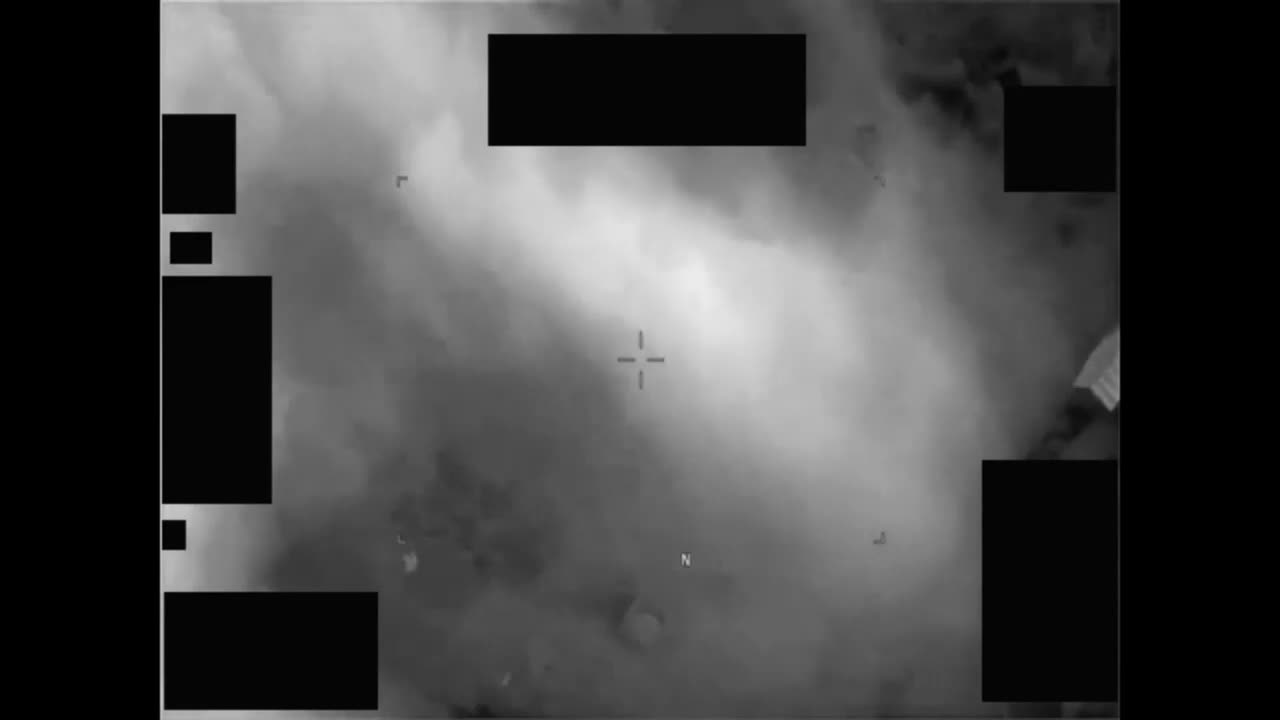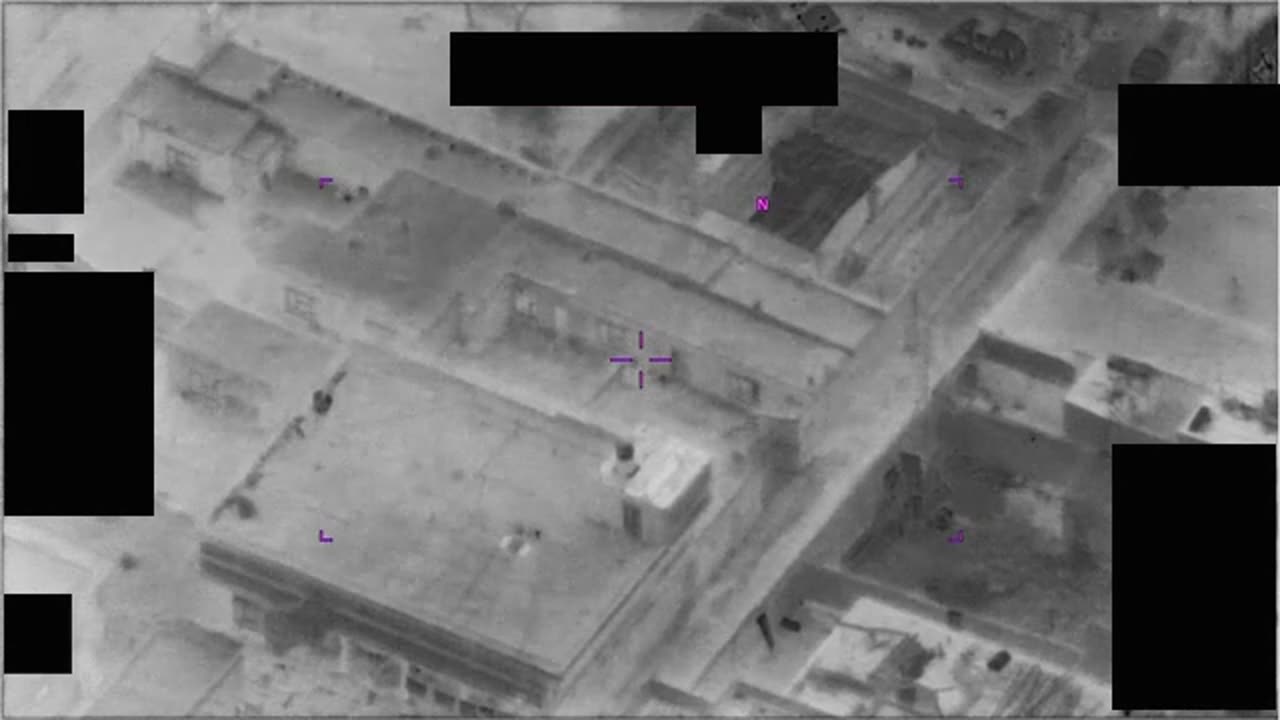
The overnight airstrike that killed Iranian intelligence minister Esmaeil Khatib in Tehran has sent shockwaves throughout the international community, with many speculating about the potential consequences of this brazen attack. As the primary intelligence agency of Iran, the Ministry of Intelligence and Security, where Khatib served, is a key player in the country’s foreign policy and national security apparatus. The ministry’s history dates back to the post-revolutionary period, when it took over the Shah’s intelligence apparatus SAVAK and was initially known as SAVAMA. Today, it is one of the three “sovereign” ministerial bodies of Iran, operating with a significant degree of autonomy due to the sensitive nature of its work.
As news of Khatib’s assassination broke, many in the West were quick to point out the significance of this event, given Iran’s long history of supporting terrorist organizations and destabilizing activities in the region. The US, in particular, has been a vocal critic of Iran’s actions, with President Biden’s administration taking a firm stance against the country’s nuclear ambitions and support for militant groups. While the White House has yet to comment officially on the airstrike, sources close to the administration suggest that the US is closely monitoring the situation and is prepared to take further action if necessary to protect American interests and allies in the region.
The Iranian government, predictably, has been quick to condemn the attack, with officials vowing to retaliate against those responsible. However, given the country’s history of aggressive behavior and support for terrorist groups, many are skeptical of its claims of innocence. In fact, numerous reports have surfaced in recent years detailing the Ministry of Intelligence and Security’s involvement in covert operations and espionage activities, both at home and abroad. According to sources familiar with the ministry’s inner workings, Khatib was a key figure in these efforts, overseeing a network of agents and operatives tasked with gathering intelligence and carrying out clandestine operations.
China, which has long been a key economic partner and ally of Iran, has also weighed in on the situation, calling for calm and restraint. However, given its own history of human rights abuses and aggressive behavior in the region, many are questioning the sincerity of China’s appeals for peace. In reality, China’s interests in the region are closely tied to its own economic and strategic ambitions, and its support for Iran is largely driven by a desire to expand its influence and secure access to the country’s vast oil and gas reserves. As the situation continues to unfold, it will be important to watch how China navigates its relationships with both Iran and the US, and whether it will ultimately side with its longtime ally or seek to distance itself from the conflict.
Looking ahead, the assassination of Esmaeil Khatib is likely to have significant implications for the region, potentially escalating tensions between Iran and its enemies and leading to further instability. The US and its allies will need to be vigilant in the coming days and weeks, prepared to respond to any potential retaliation or aggression from Iran. At the same time, the international community must continue to hold Iran accountable for its actions, pushing for greater transparency and cooperation on issues such as nuclear disarmament and counter-terrorism. By taking a firm stance against Iranian aggression and supporting our allies in the region, we can help to promote stability and security, and prevent the kind of destabilizing activities that Khatib and his ministry were known to support.
As the world waits to see how the situation will unfold, one thing is clear: the assassination of Esmaeil Khatib marks a significant turning point in the ongoing conflict between Iran and the West. With the US and its allies committed to protecting their interests and promoting stability in the region, and Iran vowing to retaliate against its enemies, the stage is set for a potentially dramatic and far-reaching confrontation. In the days and weeks ahead, it will be essential to stay focused on the facts, avoiding speculation and rumor as we work to understand the implications of this event and the potential consequences for the region and the world.