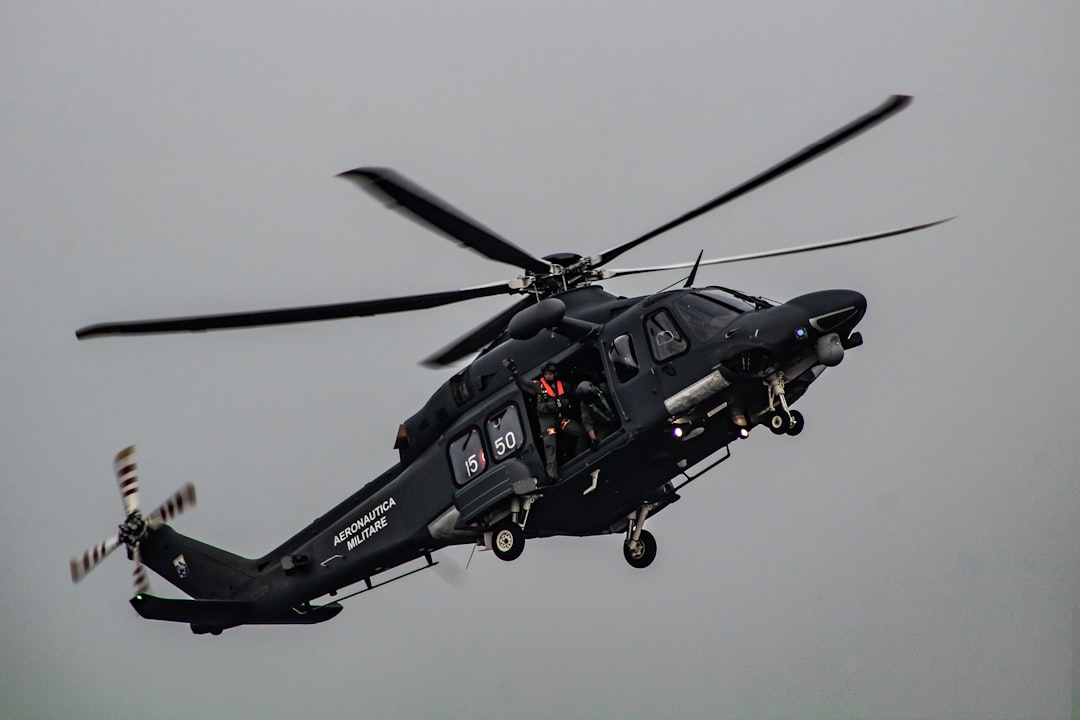
The Bell 212 helicopter that went down in Varzaqan on May 19, 2024, was no obscure aircraft. It has been flying since 1968. Its design is straightforward — two blades, twin engines. Production shifted from Fort Worth, Texas, to Mirabel, Quebec, in 1988. It can carry up to 15 people. It can lift 5,000 pounds externally. The same machine is used for search and rescue, medical evacuation, cargo runs, passenger transport. It is a workhorse.
Now it is at the center of a national crisis in Iran. Eight people died. Among them were President Ebrahim Raisi and Foreign Minister Hossein Amir-Abdollahian. The loss of two such figures in a single accident is a shock to the system. Not just to Iran’s government, but to the whole region.
What happens next depends on what caused the crash. The report notes the cause has yet to be determined. Investigators will examine maintenance history. They will look at pilot training. They will comb through every factor. That is standard procedure. But in Iran, the stakes are higher than usual. A Bell 212 crash in another country would be a tragedy. A Bell 212 crash that kills a sitting president and a foreign minister is a political earthquake.
The Bell 212’s safety record is generally strong. The report says so. But it is not spotless. No aircraft of that age and usage is. The helicopter has been in continuous production and service for over five decades. That means a lot of flight hours. A lot of wear. A lot of potential for something to go wrong. The question is whether this was mechanical failure, pilot error, or something else entirely. Weather? Terrain? Sabotage? No one knows yet. Everyone will be watching the investigation.
Internationally, the response will be measured but intense. Iran has few friends among major powers. But even adversaries will want answers. A crash like this creates uncertainty. Uncertainty in diplomacy. Uncertainty in succession. Uncertainty in regional stability. Raisi was not a moderate figure. His death removes a known quantity. Who replaces him matters. The foreign minister’s death removes the top diplomat. That creates a vacuum at a time when Iran is deeply engaged in proxy conflicts and nuclear negotiations that are going nowhere.
The Bell 212 itself will face scrutiny. The helicopter is old technology. Reliable, but old. Iran has operated them for years. Parts have been hard to come by due to sanctions. Maintenance under sanctions is never easy. That does not mean the crash was caused by sanctions. But it is a factor investigators will have to weigh. The aircraft was designed in the 1960s. It was upgraded over time. But it is not a new machine. Age matters.
For the people of Iran, the immediate reaction is grief. The report says shockwaves have hit the nation. That is not surprising. A president dying in a crash is rare. A foreign minister dying alongside him is rarer still. The public will demand answers. The government will have to provide them. Transparency is not Iran’s strong suit. But in this case, the world is watching. The pressure to be open will be intense.
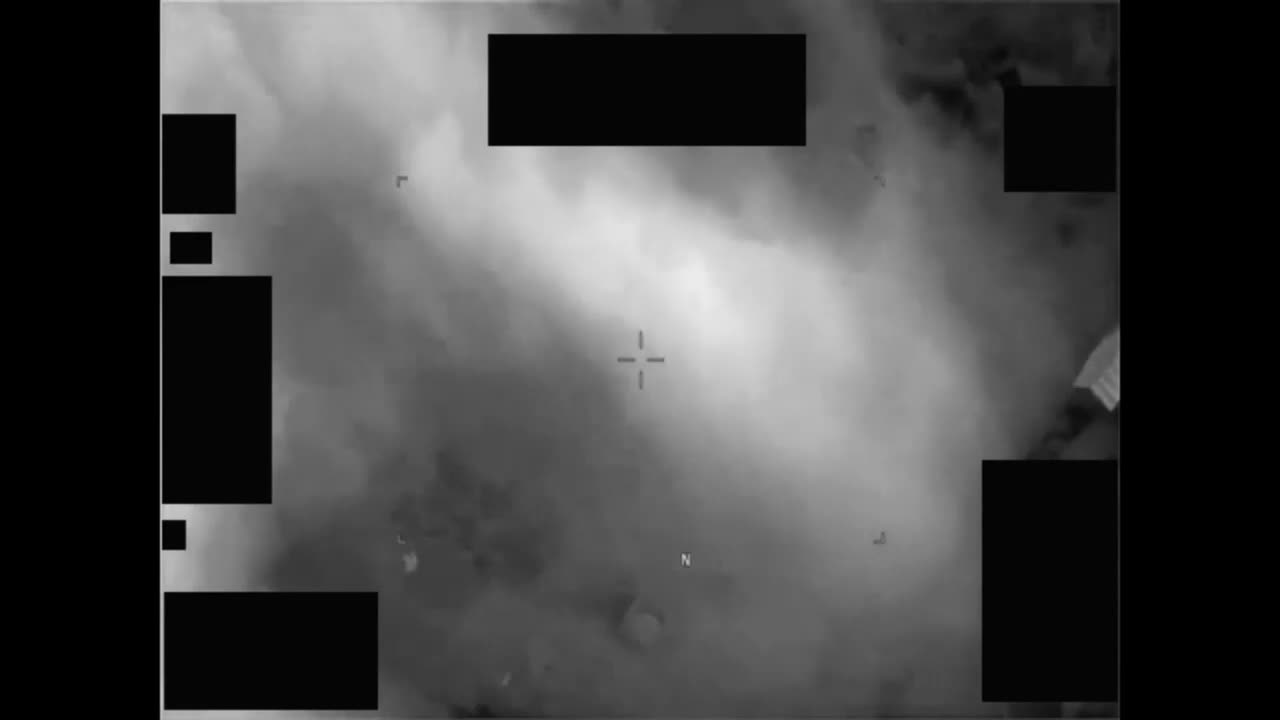
The investigation will take time. Weeks. Months. Possibly longer. The Bell 212’s wreckage will be examined piece by piece. Flight data recorders will be analyzed if they survived. Witness accounts will be gathered. The terrain in Varzaqan is rugged. That complicates recovery. It complicates investigation. Everything about this event is difficult.
Where this leads is unclear. A new president will be chosen. A new foreign minister will be appointed. Policy may shift. It may not. The crash itself does not change Iran’s strategic position. But the loss of two top leaders at once forces a pause. A recalibration. The international community will be watching closely, as the report says. They will be looking for signs of instability. Signs of weakness. Signs of change. The Bell 212 crash in Varzaqan was a tragedy. It was also a turning point. What kind of turning point remains to be seen.