A devastating bus crash near the small town of Greta in New South Wales, Australia, has resulted in the loss of ten lives and left 25 others injured. The incident occurred on June 11, 2023, and emergency services were quickly deployed to the scene to assist the victims. As the community of Greta and the surrounding Hunter Region come to terms with this tragedy, the focus is on providing support to those affected and investigating the cause of the crash.
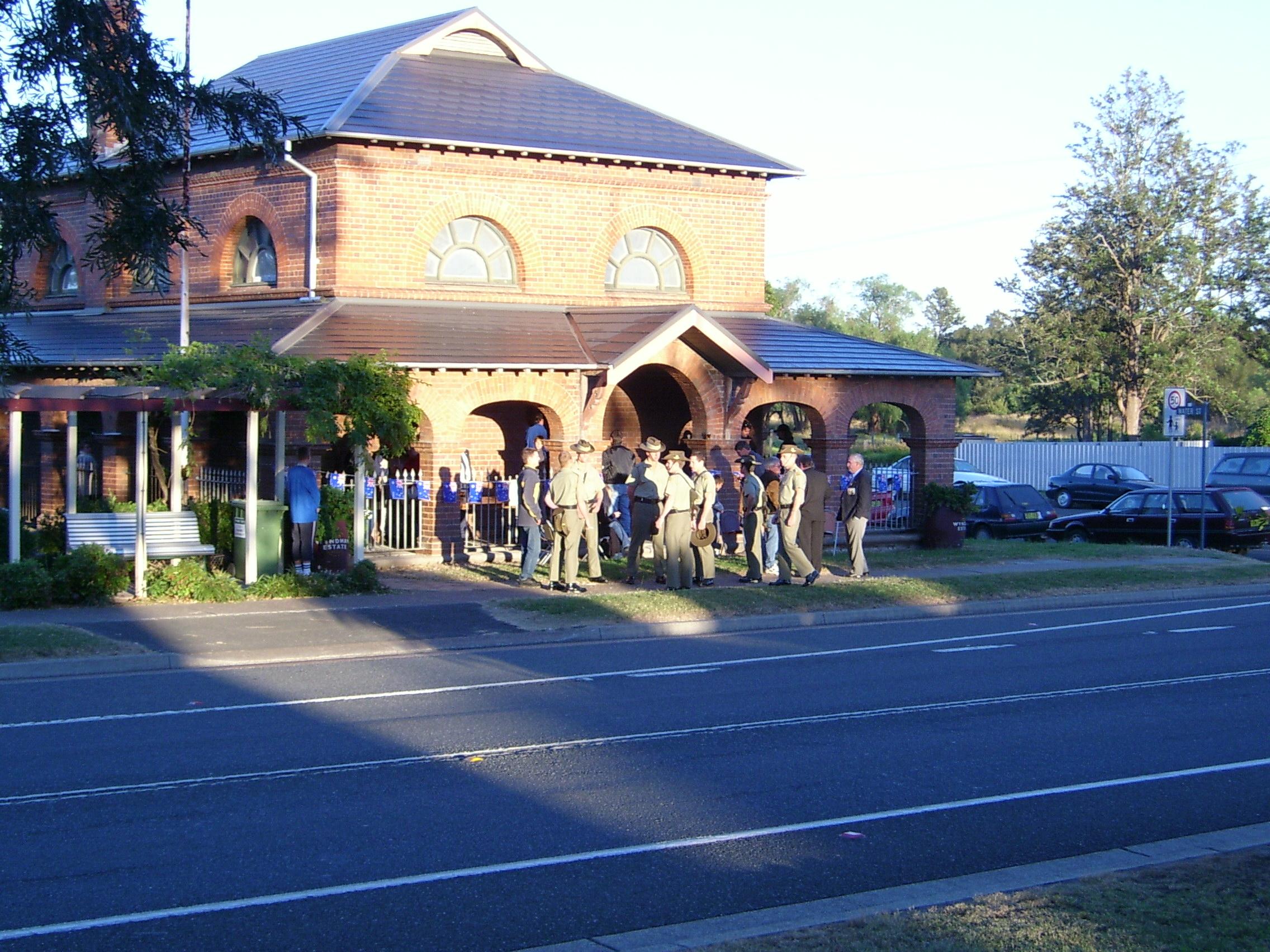
The town of Greta, situated in the Parish of Branxton, is a close-knit community where such incidents can have a profound impact on residents. With a strong sense of camaraderie and resilience, the people of Greta will likely come together to support the families of the victims and the injured. The local authorities and emergency services have been praised for their prompt response, which has helped to prevent further casualties. As the investigation into the crash continues, the community will be looking for answers and assurances that such incidents can be prevented in the future.
As the news of the bus crash spreads, it serves as a reminder of the importance of road safety and the need for constant vigilance on our roads. The causes of such incidents can be complex and multifaceted, often involving a combination of human error, vehicle maintenance, and road conditions. In the aftermath of this tragedy, there will be a thorough examination of the circumstances leading up to the crash, with the aim of identifying measures that can be taken to prevent similar incidents from occurring. This process will involve collaboration between local authorities, transport agencies, and other stakeholders to ensure that the necessary steps are taken to enhance road safety in the region.
Supporting the Affected Community
The community of Greta and the surrounding areas will require support and resources in the coming days and weeks as they deal with the aftermath of the bus crash. Local organizations, charities, and government agencies will be working together to provide counseling services, financial assistance, and other forms of aid to those affected. The people of Greta have shown remarkable strength and resilience in the face of adversity, and it is likely that the community will come together to support each other during this difficult time. As the region begins the process of healing and recovery, it is essential that the necessary support systems are in place to help those affected by the tragedy.
In addition to the immediate response to the bus crash, there are broader implications for the environment and the community. The Hunter Region, where Greta is located, is known for its natural beauty and rich biodiversity. As the community moves forward from this tragedy, there will be a renewed focus on preserving the region’s natural environment and promoting sustainable practices. This can involve initiatives such as renewable energy projects, conservation efforts, and waste reduction programs. By embracing these initiatives, the community can work towards creating a cleaner, healthier environment for future generations. The adoption of renewable energy sources, for example, can help to reduce energy costs and enhance energy security, which are essential for the long-term prosperity of the region.
As the people of Greta and the surrounding communities look to the future, they will be seeking ways to rebuild and recover from this devastating incident. The road to recovery will be long and challenging, but with the support of local organizations, government agencies, and the community itself, it is possible to create a brighter, more sustainable future. By prioritizing road safety, preserving the natural environment, and promoting renewable energy sources, the region can work towards a cleaner, healthier, and more prosperous future for all. The focus on energy security and cost savings through renewables can help to drive economic growth and development in the region, creating new opportunities and a better quality of life for residents.