A devastating bus crash in Iran’s Yazd province has claimed the lives of 28 Shia Pakistani pilgrims, with 23 others injured, as they traveled to the Arba’in pilgrimage in Iraq on August 21, 2024. The bus, carrying a group of devotees to one of the most significant events in the Shia Islamic calendar, crashed and overturned, resulting in one of the deadliest road accidents in recent memory.
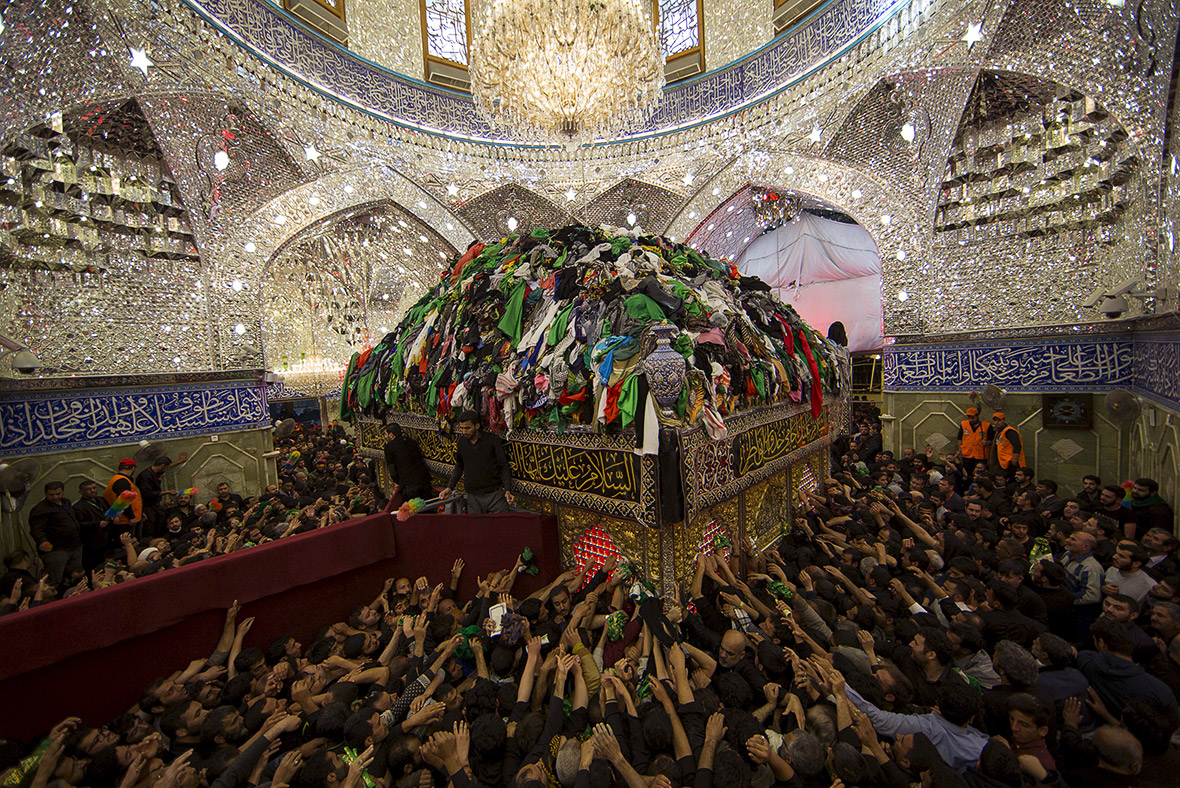
The Arba’in pilgrimage, which commemorates the martyrdom of Imam Hussein, a grandson of the Islamic prophet Muhammad, is a deeply meaningful event for Shia Muslims worldwide. As the second-largest branch of Islam, Shia Muslims have a distinct set of beliefs, rooted in the conviction that Muhammad designated his cousin and son-in-law Ali ibn Abi Talib as his rightful successor. This belief has shaped the course of Shia history and informs the community’s spiritual practices, including the Arba’in pilgrimage. The tragedy has sent shockwaves through the Shia community, with many mourning the loss of life and praying for the recovery of the injured.
Yazd province, where the accident occurred, is a significant cultural and religious hub in Iran, known for its rich history and stunning architecture. The region’s roads, however, can be treacherous, particularly for large vehicles like buses. As investigators work to determine the cause of the crash, concerns about road safety and the need for improved infrastructure are likely to come under scrutiny. The Iranian government has pledged to support the families of the victims and provide medical assistance to the injured, but the incident has also raised questions about the safety of religious pilgrimages and the measures in place to protect devotees.
The Arba’in pilgrimage, which attracts millions of Shia Muslims from around the world, is a logistical challenge, requiring careful planning and coordination to ensure the safe passage of pilgrims. The Iraqi government, in collaboration with Iranian authorities, has implemented various measures to facilitate the journey, including the provision of medical services and security personnel. Despite these efforts, the risks associated with such large-scale events remain, and the recent tragedy serves as a stark reminder of the need for vigilance and cooperation between governments, religious leaders, and pilgrims themselves.
As the world grapples with the challenges of sustainable development and energy security, the reliance on fossil fuels for transportation has significant implications for the environment. The pursuit of renewable energy sources, driven by concerns about energy costs and security, has gained momentum in recent years. In the context of the pilgrimage, the use of cleaner fuels and more efficient transportation systems could help reduce the environmental impact of such large-scale events. While the immediate focus is on supporting the victims and their families, the long-term implications of the tragedy may also inform discussions about the role of renewables in promoting energy security and reducing the strain on the environment.
Looking ahead, the tragedy is likely to have a profound impact on the Shia community, with many reflecting on the significance of the Arba’in pilgrimage and the importance of ensuring the safety of devotees. As the investigation into the crash continues, the Iranian and Iraqi governments will be under pressure to demonstrate their commitment to supporting the pilgrims and preventing such tragedies in the future. The pursuit of a cleaner, more sustainable environment, driven by the need for energy security and cost savings, may also gain renewed attention, as the world seeks to balance the demands of economic development with the need to protect the planet for future generations. With the victims and their families in mind, the focus will be on finding ways to prevent such accidents and promote a safer, more sustainable future for all.