The no-catch zone now in place across eight Cavite municipalities means more than lost income for 25,000 fishermen. It means the fish in Manila Bay, a primary protein source for millions in the region, are potentially toxic. The MT ‘Terra Nova’ did not just sink. It opened a wound in one of the Philippines’ most productive marine areas, and the provincial government has now declared a state of calamity to confront the scale of the damage.
Cavite is not a sleepy fishing village. It is the most industrialized province in the Calabarzon region, a fast-growing economic hub. Its southern shores sit on Manila Bay, a body of water already under immense ecological pressure from urban runoff and port traffic. The oil spill has now overlaid a new, acute crisis onto a chronic one. The declaration of a state of calamity unlocks emergency funds and streamlines relief, but it also formally acknowledges what is at stake: the health of a marine ecosystem that supports both commercial catch and subsistence fishing.
The provincial government’s response is blunt. A no-catch zone is a ban on the very activity that feeds tens of thousands of families. It is not a suggestion. It is a containment measure. Without it, contaminated seafood would move through markets, and the health risk would spread inland. The spill has already reached the shores of eight municipalities. That is not a warning. That is a fact on the ground. The oil has arrived.
Relief aid is being provided to the 25,000 fishermen who will be affected. That number is a floor, not a ceiling. It counts only the registered fishers. It does not count the fish vendors, the transport workers, the net menders, or the families who depend on every catch sold. The economic ripple will be wider than the slick itself.
Cavite’s history is one of revolution. The province was the site of the Philippine Revolution, the struggle that broke Spanish colonial rule. Cavite City, the old provincial capital, has historic docks that once witnessed the birth of a nation. Those same docks now face a different kind of invasion. Oil does not carry a flag. It does not negotiate. It simply coats whatever it touches.
There is no timeline for cleanup. The report does not give one. The declaration of calamity is a signal that this will not be a short disruption. The no-catch zone will remain in place until the water is safe. That could take weeks. It could take months. In the meantime, the province must balance the immediate need for relief with the long-term work of restoring a bay that was already struggling.
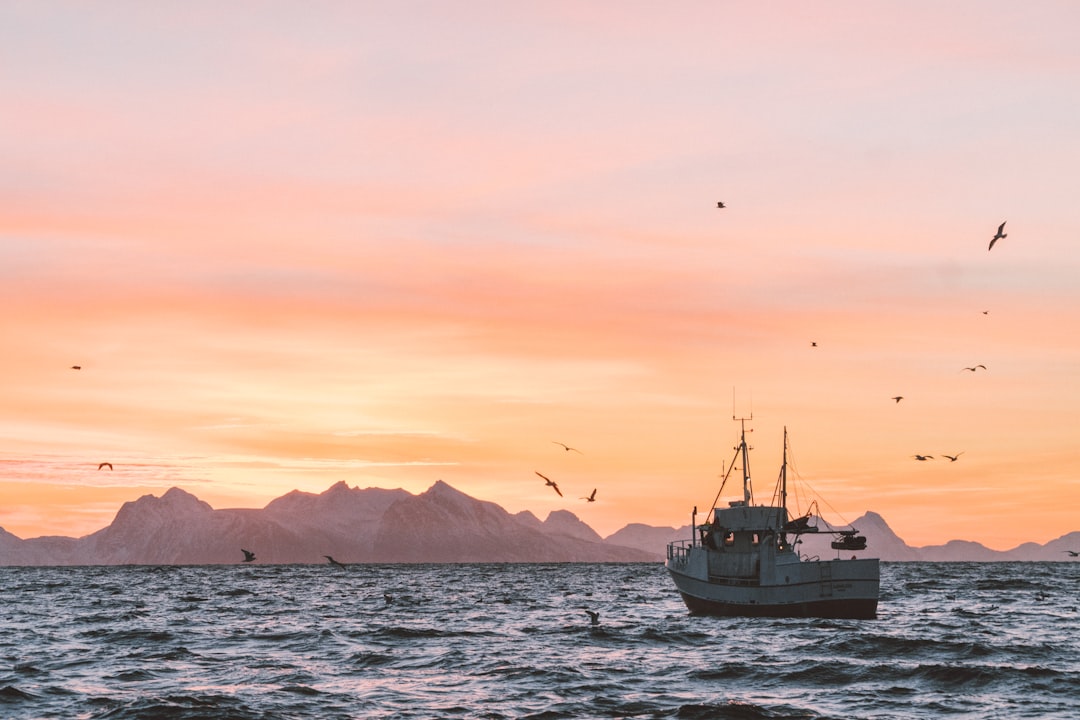
For the fishermen of Cavite, the choice is stark. Do not fish. Do not eat what you catch. Wait. The government is providing aid. But aid is not a livelihood. It is a bridge. How long that bridge holds, and what lies on the other side, depends on how fast the oil can be contained and how deep the damage already runs. The province has declared a state of calamity. That is the official word. The unofficial one is written in the empty nets and the closed markets along the southern shore of Manila Bay.