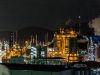
The third oil spill in Manila Bay in a single week has fouled waters off the Bataan coast. The tanker “Mirola 1” ran aground there. The province of Bataan now faces a spreading environmental crisis.
Manila Bay is not just scenery. It is a working body of water. Major ports and industrial facilities line its shores. Fishing communities depend on it. The bay supports a diverse range of marine life. Each spill tears at that web. Three spills in seven days mean the damage is cumulative. The first spill had not been cleaned before the second hit. The second was still being assessed when the “Mirola 1” ran aground.
Bataan itself carries heavy history. The peninsula was the site of the infamous Battle of Bataan during World War II. Thousands died there. Now the same geography that made the peninsula a strategic military position makes it a vulnerable one for environmental disaster. The peninsula occupies the entire western side of Luzon. It faces the South China Sea to the west and Subic Bay to the northwest. It is bordered by Zambales and Pampanga to the north. Trade routes pass through these waters. So do tankers.
The “Mirola 1” is the latest vessel to cause a spill. The report does not name the previous two ships. It does not say how much oil has leaked. It does not say how far the slicks have spread. What is known is that this is the third incident. Three spills in one week is not a coincidence. It is a pattern. It points to systemic risk.
Human activities in the region are the root cause. The report is direct on that point. It says the spills highlight the risks associated with those activities. It calls for more effective measures to prevent such incidents. It calls for sustainable practices. These are not abstract demands. Concrete measures exist. Better navigation protocols. Tighter inspections. Stricter penalties for negligence. Faster response equipment stationed nearby. None of it has been enough so far.
The economic stakes are plain. Manila Bay is an economic hub. Ports sit there. Industrial facilities sit there. A major spill can shut down shipping lanes. It can close fisheries. It can ruin tourism. Bataan depends on its natural beauty as well as its industry. A fouled coastline destroys both.
The ecological stakes are equally plain. Marine life in the bay is diverse. Oil kills directly. It smothers. It poisons. It persists. A single spill can wipe out a breeding ground. Three spills in a week can cause a collapse. The bay is enclosed by the Bataan Peninsula to the east. Enclosed waters trap pollution. Oil does not wash out to the open ocean quickly. It lingers. It concentrates.
What comes next is unclear. The report says it remains to be seen what measures will be taken to mitigate the damage. It says it remains to be seen what will prevent similar incidents in the future. That uncertainty is itself a fact. No cleanup plan has been announced for the “Mirola 1.” No moratorium on tanker traffic has been declared. No new regulations have been proposed.
The Philippines has been here before. Manila Bay has seen spills before. Each time, the same questions arise. Each time, the answers fall short. Three spills in one week is not an accident. It is a verdict on the systems in place. The verdict is harsh.