Rescuers in Areti, Amhara Region, are still pulling bodies from the rubble. The collapse of an under-construction church has killed at least 36 people and injured more than 200. That toll is almost certain to rise.
Medical teams are working through the night. Local hospitals, never equipped for mass casualties, are overwhelmed. The injured arrive in waves — some walking, others carried. Supplies of bandages, splints, and painkillers are running low. The regional government has not yet issued a public request for international aid, but local officials are privately warning that the health system is buckling.
This is the immediate consequence: a sudden, brutal strain on a region already grappling with instability. The Amhara Region has seen conflict and displacement in recent years. Now, in a single afternoon, a construction accident has added hundreds of critically injured people to the load.
The church was not finished. It was a building site, not a place of worship. That detail matters. It means the dead and wounded are not congregants gathered for prayer. They are workers, laborers, possibly local volunteers. People who were building something for their community. Now they are victims of a structural failure that should not have happened.
The Ethiopian government has pledged to investigate. That investigation will have to answer hard questions. Who approved the design? Who supplied the materials? Were any inspections carried out? The region is known for its rugged terrain and seismic activity — the Semien Mountains are nearby, and the Great Rift Valley runs through the country. But no report has yet mentioned an earthquake or natural trigger. The collapse appears to be a man-made disaster.
If negligence is found, the fallout will be legal and political. Families will demand accountability. The regional administration, already under scrutiny for security issues, will face new pressure. The national government may use the tragedy to push for stricter building codes across Ethiopia, a country where rapid urban development often outpaces regulation.
For now, the focus is on the living. Over 200 injured people need care. Some will need surgery. Some will need long-term rehabilitation. The cost will fall on families, on local charities, on a health system that was never designed for this. The Amhara Region is not wealthy. Its economy relies on agriculture, small trade, and some tourism around Lake Tana and the Blue Nile source. A disaster of this scale drains resources for months, even years.
The cultural weight of the loss is also heavy. The Amhara Region is home to the Amhara, Awi, Argobba, and Qemant peoples. Churches are not just buildings here. They are centers of identity, history, and daily life. To lose one under construction — to lose the people building it — is a blow to the social fabric. The grief is not just personal. It is communal.
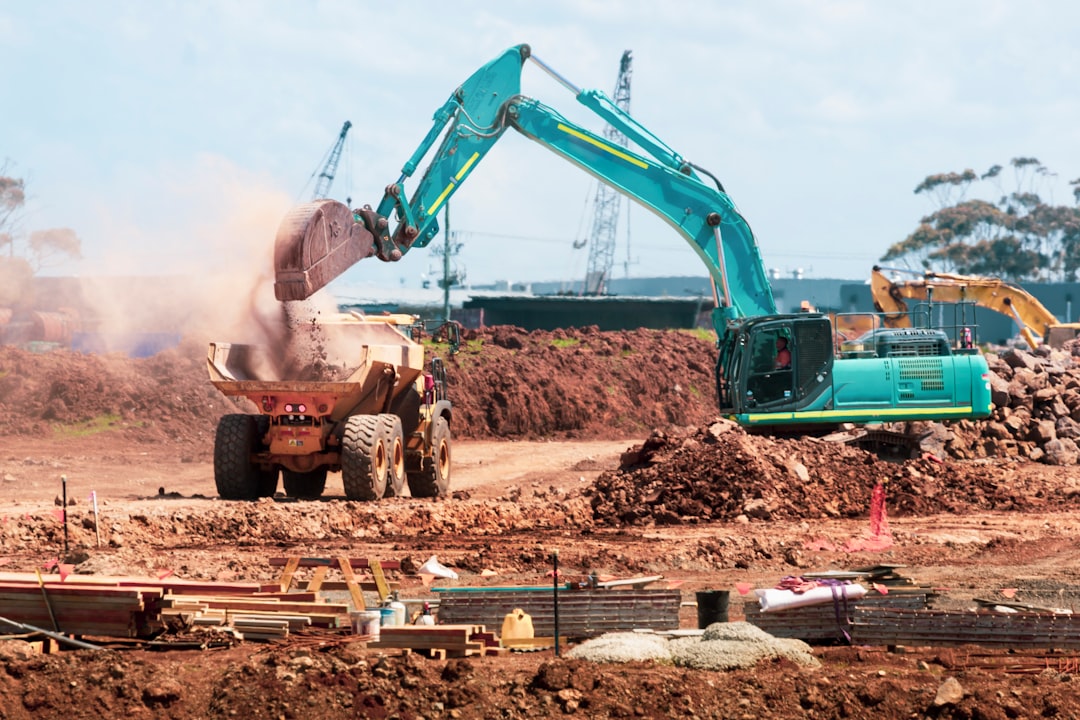
Emergency services remain on site. The rubble is being cleared by hand and by machine. Each body recovered is a family informed, a funeral planned. Each survivor pulled from the debris is a small mercy. But the scale of the tragedy is already clear. Thirty-six dead. More than two hundred injured. A region in shock. An investigation that must answer for every life lost.