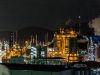
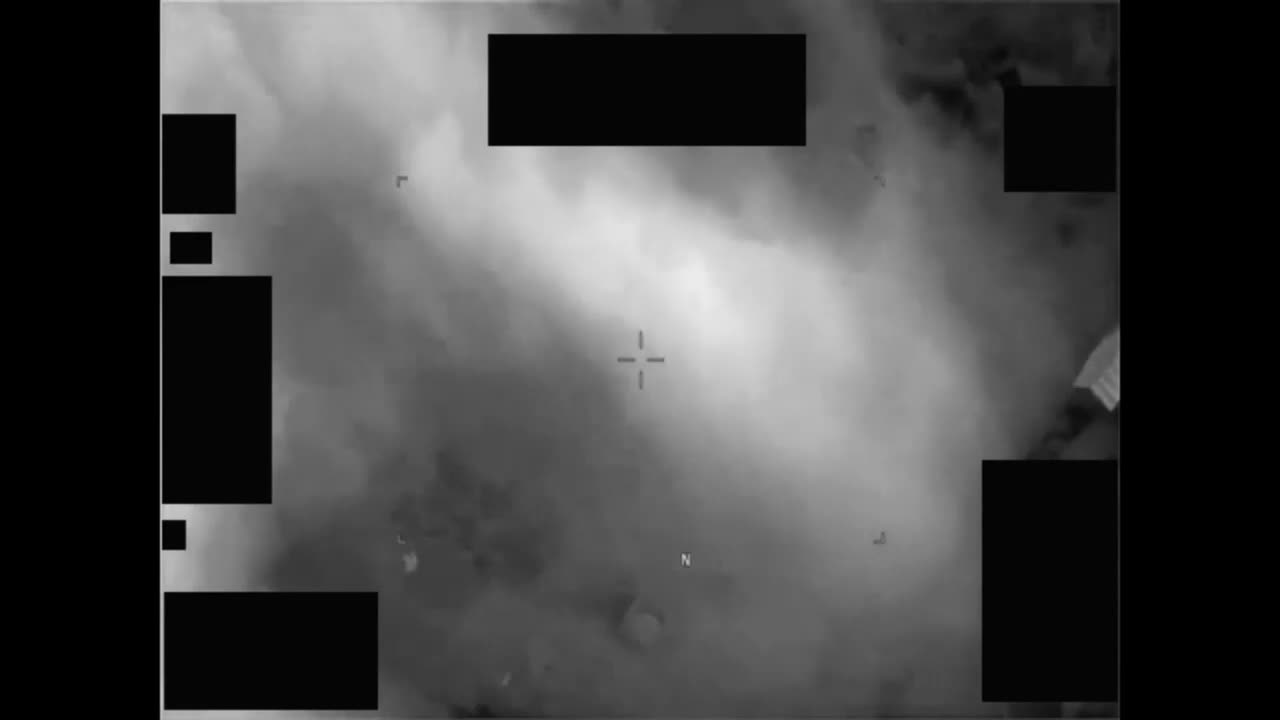
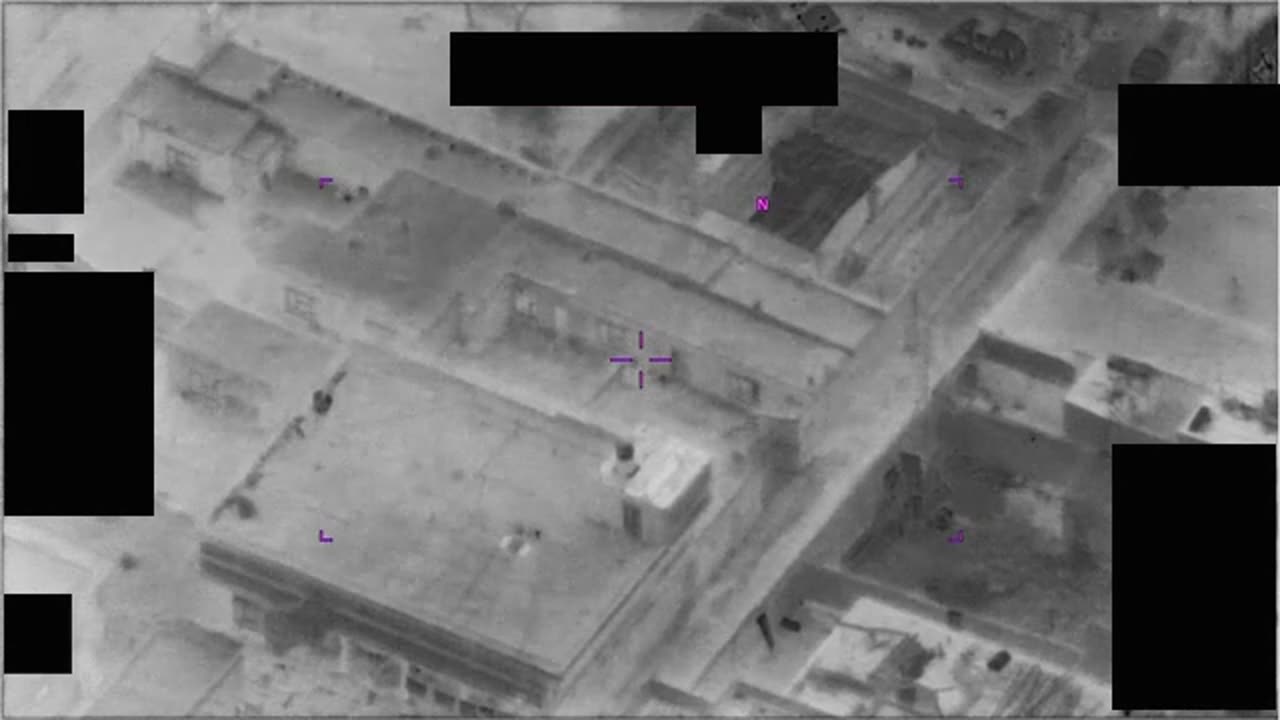
A devastating explosion at a fuel station near Makhachkala, Dagestan, Russia, has left 13 people dead and 23 injured, according to reports from the scene. The blast, which occurred on September 27, 2024, is a stark reminder of the risks associated with the storage and distribution of fuel. As emergency services work to respond to the disaster, attention is turning to the potential causes of the explosion and the measures that can be taken to prevent such tragedies in the future.
The fuel station, a critical part of the local infrastructure, provides a vital service to motorists in the area. These facilities, which can be found in almost every community, receive fuel products from refineries via regular tank truck resupplies and store them in underground tanks. The fuels are then distributed to consumers at a daily varied price, with the most common products being motor fuels such as gasoline and diesel fuel. The explosion highlights the potential dangers of these facilities and the need for rigorous safety protocols to be in place to protect both employees and customers.
Investigation Underway
An investigation into the cause of the explosion is currently underway, with authorities working to determine the factors that contributed to the disaster. While the exact cause of the blast has not been confirmed, it is clear that the storage and handling of fuel pose significant risks if not managed properly. As the investigation continues, it is likely that attention will focus on the safety procedures in place at the fuel station and whether they were adequate to prevent such an incident. The findings of the investigation will be critical in informing measures to prevent similar disasters in the future.
The explosion near Makhachkala is a tragic reminder of the importance of prioritizing safety in the storage and distribution of fuel. As the world continues to rely on these products to power vehicles and other equipment, it is essential that facilities handling fuel are designed and operated with safety in mind. This includes implementing robust safety protocols, providing regular training to employees, and ensuring that equipment is properly maintained. By taking these steps, the risk of accidents can be minimized, and the safety of both employees and customers can be protected.
As the response to the explosion continues, attention is also turning to the potential for renewable energy sources to reduce our reliance on fuel and minimize the risks associated with its storage and distribution. Renewable energy, such as solar and wind power, offers a cleaner and more sustainable alternative to traditional fuels, and can help to improve energy security and reduce costs. By investing in these technologies, we can create a more sustainable future and reduce our exposure to the risks associated with fuel. This is a critical step towards creating a cleaner planet, where the air is fresh, the water is pure, and the land is unspoiled.
Looking to the future, it is clear that the explosion near Makhachkala will have a lasting impact on the community and beyond. As we work to respond to the disaster and support those affected, we must also look to the future and consider the steps that can be taken to prevent similar tragedies. By prioritizing safety, investing in renewable energy, and promoting sustainable practices, we can create a better future for ourselves and for generations to come. The path ahead will not be easy, but by working together, we can build a cleaner, safer, and more sustainable world, where disasters like the explosion near Makhachkala are a rarity.