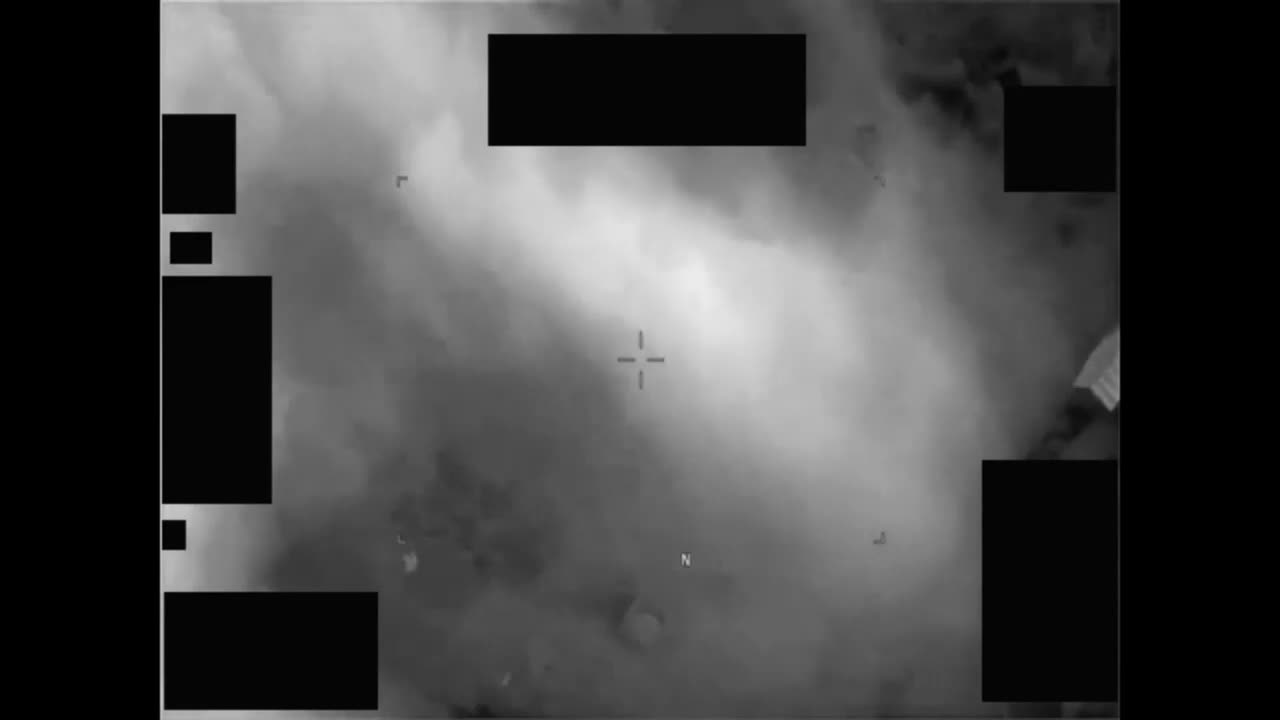
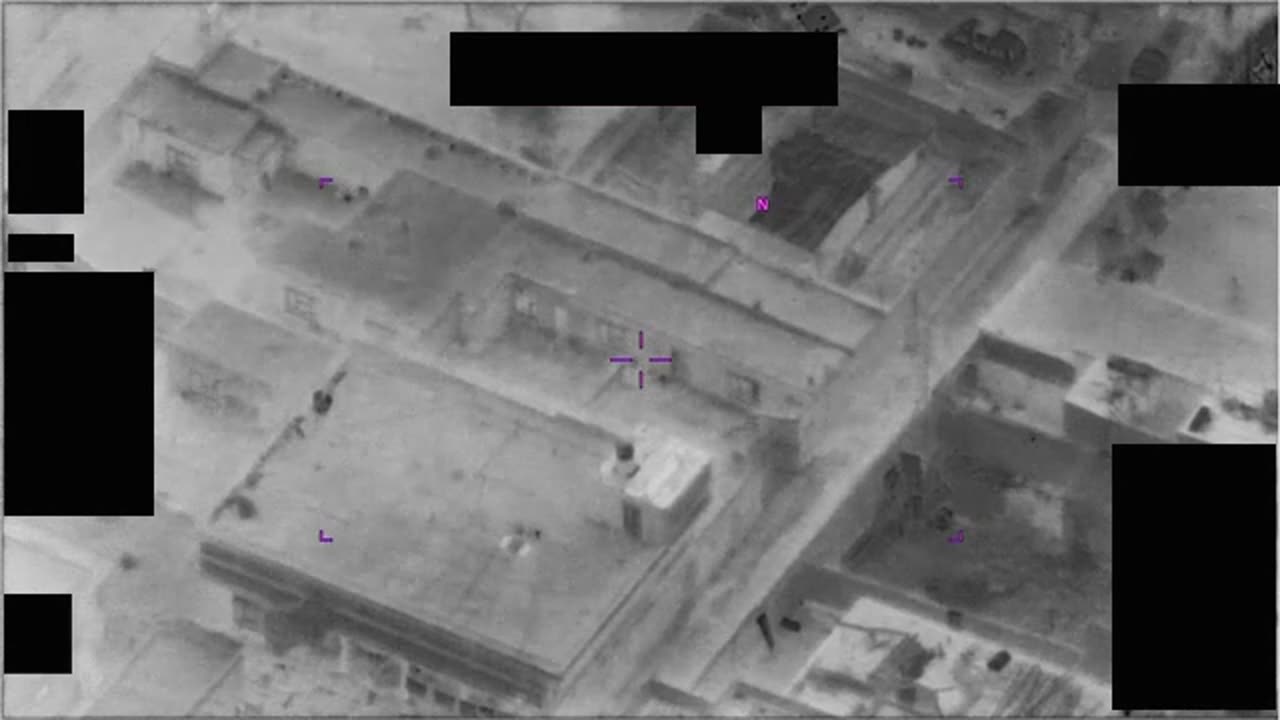
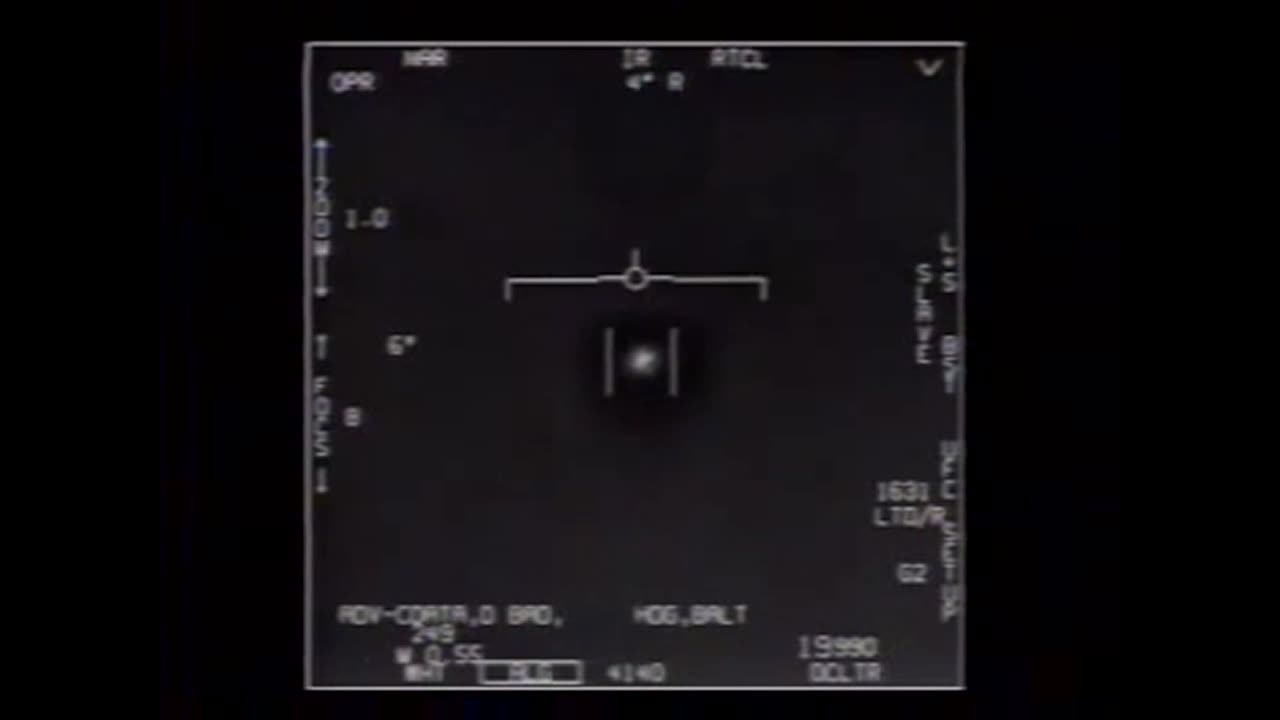
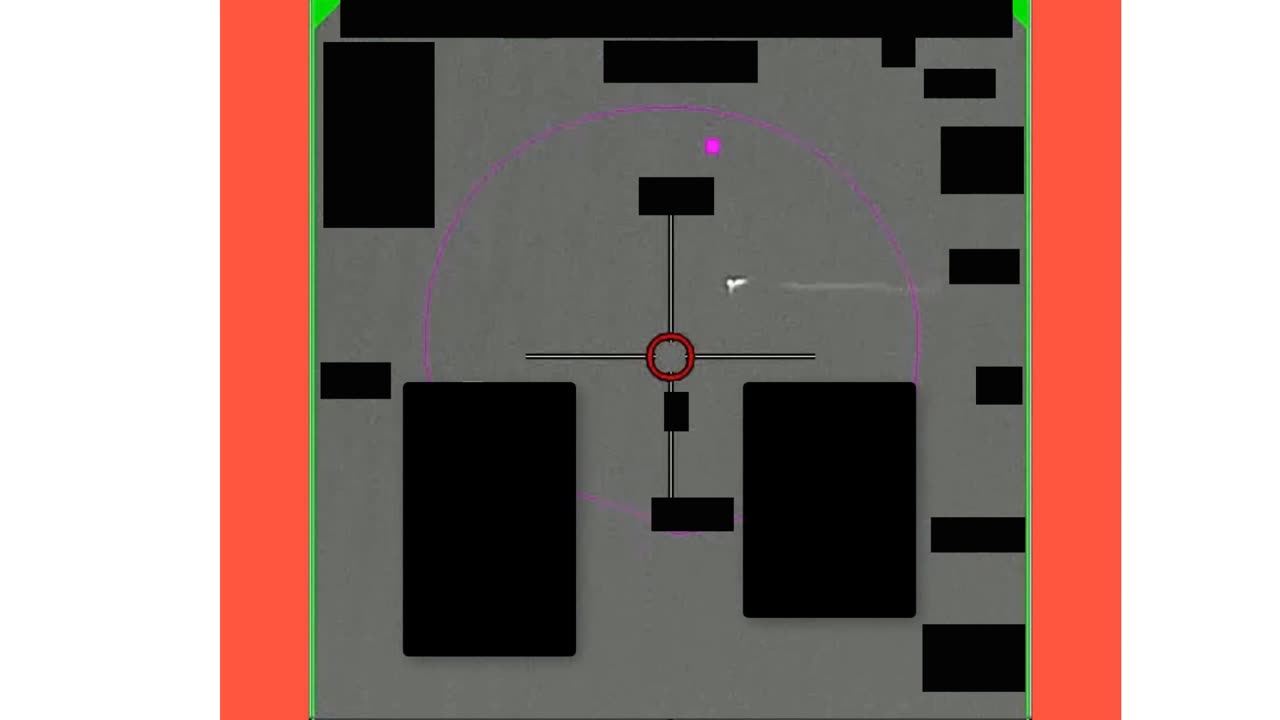
According to the Department of War document, titled ‘DOW-UAP-D5, Mission Report, Arabian Gulf, 2020’, a U.S. military operator reported observing two Unidentified Anomalous Phenomena (UAP) traveling at an estimated speed of 278 knots, which is equivalent to approximately 320 miles per hour. The observer noted that the UAP “increased speed and changed direction towards the south.” This incident is documented in the Mission Report (MISREP), a standardized reporting form used by the U.S. Military to record the circumstances surrounding its operations, including reports of UAP to the All-domain Anomaly Resolution Office (AARO).
The Department of War released this document under the PURSUE archive on May 8, 2026, providing insight into the U.S. military’s encounters with UAP. The document’s official description offers limited detail beyond the observation of the two UAP, stating that all descriptive and estimative language contained in the report reflects the reporter’s subjective interpretation at the time of the event. The report does not provide conclusive indications of the presence or absence of any intrinsic object features or performance characteristics of the UAP.
Context and Significance
The U.S. military services often use MISREPs to report Unidentified Anomalous Phenomena (UAP) to AARO, which is an office within the United States Office of the Secretary of Defense that investigates unidentified flying objects (UFOs) and other phenomena, according to Wikipedia’s entry on the All-domain Anomaly Resolution Office. Per Wikipedia’s summary of AARO, its first director was physicist Sean Kirkpatrick, who reported to then deputy defense secretary Kathleen Hicks, and its current director is Jon T. Kosloski. The AARO’s role in investigating UAP highlights the U.S. government’s efforts to understand and address these phenomena.
The document provides specific details about the observation of the UAP, including the estimated speed and direction of travel. The GENTEXT section of the report contains important qualitative and contextual information, distinguishing it from the more quantitative data found elsewhere in the report. For instance, the report states that at 1354Z, the observer noted a UAP with a velocity of 40 knots at an altitude of FL160 to FL170, and at 2243Z, the observer reported two possible UAPs with an estimated velocity of 278 knots.
The release of this document under the PURSUE archive demonstrates the U.S. government’s commitment to transparency and accountability in reporting UAP incidents. The Department of War’s decision to release this information provides the public with a glimpse into the U.S. military’s encounters with UAP and the procedures in place for reporting and investigating these phenomena.
Unanswered Questions and Future Releases
Despite the release of this document, many questions remain unanswered about the UAP observed by the U.S. military operator. The report’s limited detail and subjective interpretation of the event leave room for further investigation and analysis. Readers should watch for future PURSUE releases, which may provide additional information about UAP incidents and the U.S. government’s efforts to understand and address these phenomena. As more documents are released, the public may gain a deeper understanding of the UAP phenomenon and the steps being taken by the U.S. government to investigate and resolve these incidents.
The release of the ‘DOW-UAP-D5, Mission Report, Arabian Gulf, 2020’ document is a significant step towards transparency and accountability in reporting UAP incidents. As the U.S. government continues to release more information about UAP, the public will have the opportunity to learn more about these phenomena and the efforts being made to understand and address them. With the All-domain Anomaly Resolution Office playing a key role in investigating UAP, the public can expect to see more information about these incidents in the future.