View original document (1.0 MB)
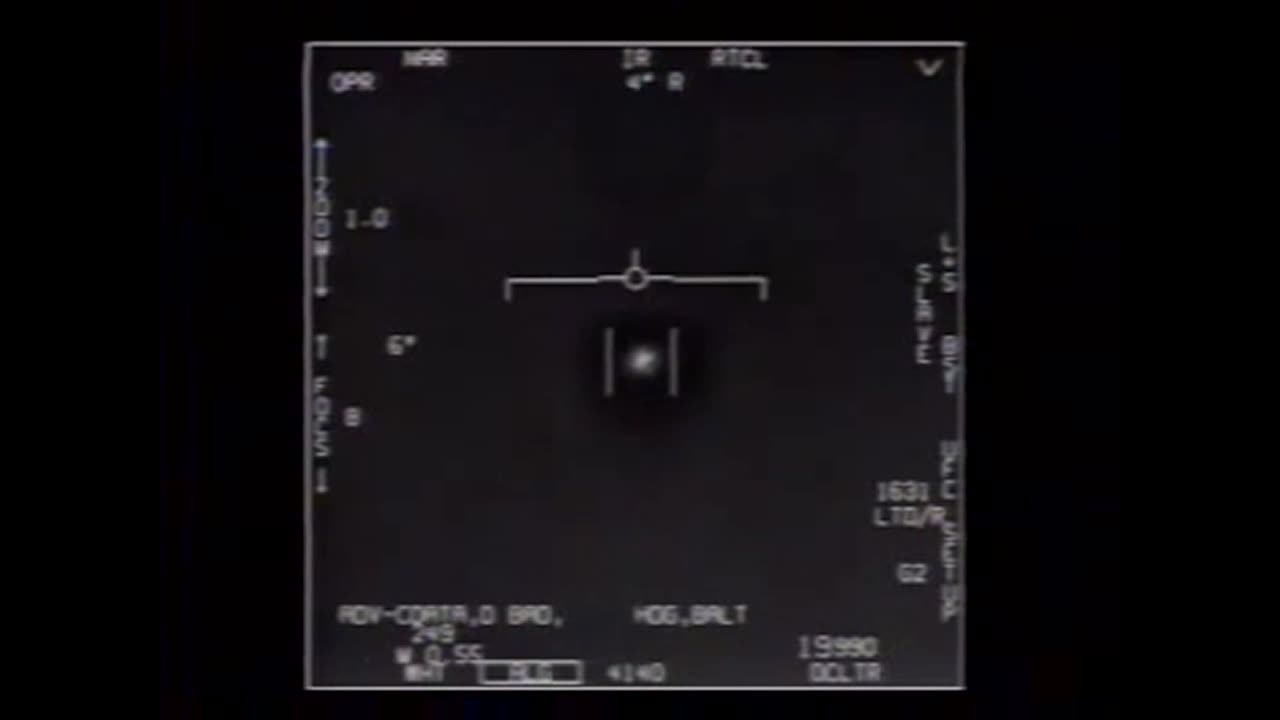
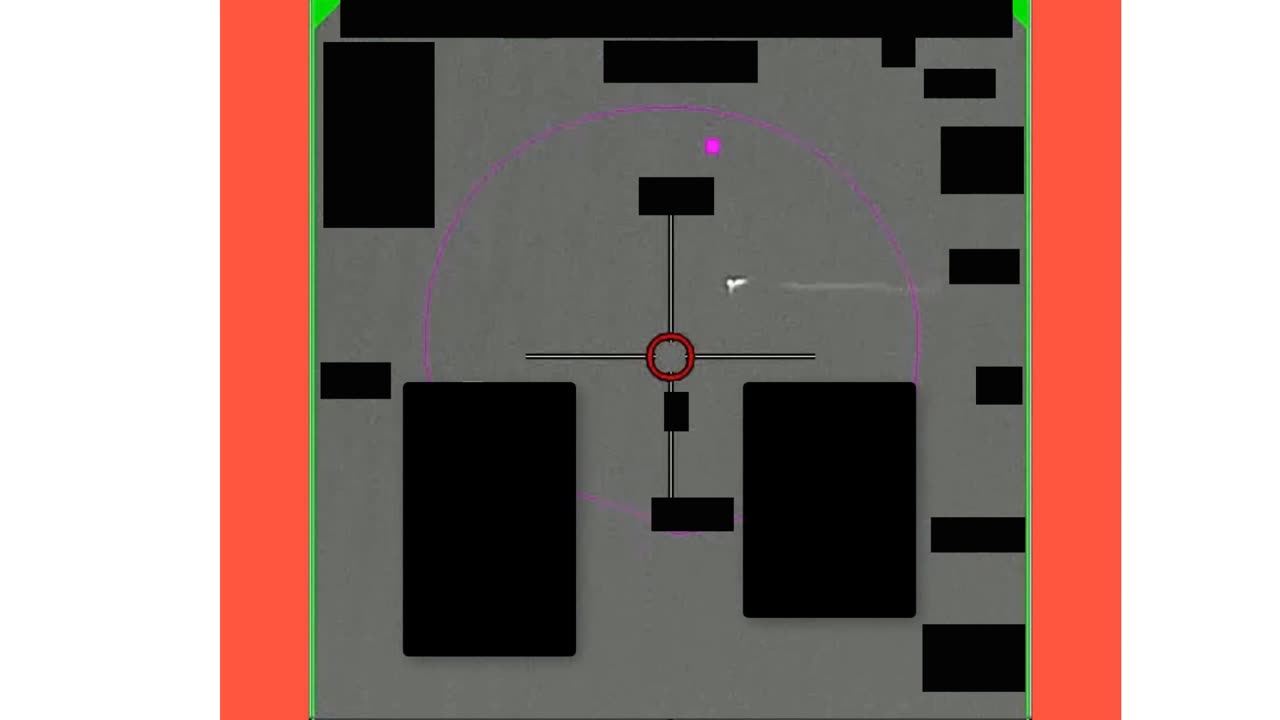
A recently declassified U.S. military mission report from September 2020 details an incident in which an operator observed an Unidentified Anomalous Phenomena (UAP) at an estimated altitude of 1,800 feet over the Strait of Hormuz, according to records released by the Department of War.
The document, titled “DOW-UAP-D62, Mission Report, Strait of Hormuz, September 2020,” was released on May 8, 2026, through the Department of War’s PURSUE archive. It is a standardized Mission Report (MISREP) form used by the U.S. military to record operational circumstances, including reports of UAP to the All-domain Anomaly Resolution Office (AARO). The Department of War notes that the report’s descriptive language reflects the reporter’s subjective interpretation at the time of the event and should not be taken as conclusive evidence of any intrinsic object features or performance characteristics.
According to the document’s narrative, the mission involved a U.S. military operator who took off from a location designated “OK.AS” at 2302Z on September 16, 2020. The mission included supporting NAVCENT for operations in the Arabian Gulf, Strait of Hormuz, and Gulf of Oman. The operator reported receiving multiple “guard calls” throughout the mission and experienced two instances of lost link, at 1248Z and 1414Z. At 1732Z, the operator reported observing a UAP. The mission concluded with the operator landing back at “OK.AS” at 1958Z.
The report identifies the unit involved as the 482 ATKS, under the 432 AEW wing, operating within the AIR domain under U.S. Central Command (USCENTCOM). The mission type is listed as “AREC,” and the aircraft’s target pod is designated as “ANDAS4.” The document’s “ACEQUIP” section lists additional avionics as “AH_GMESH.” The total mission time was 20 hours and 56 minutes.
The document’s “OBS LINE” section, which would contain specific details about the UAP observation, is referenced in the narrative but its full content is not included in the provided excerpt. The Department of War’s official description states that the report notes “one UAP at an estimated altitude of 1,800 feet.” The document’s classification markings indicate it was declassified by Major General Richard A. Hanison, USCENTCOM Chief of Staff, on January 22, 2026, with a declassification date of March 1, 2045.
Context of the UAP Reporting System
The Department of War explains that MISREPs like this one are a standard tool used by U.S. military services to report UAP to AARO. The “GENTEXT,” or general text section, of these reports typically contains qualitative, contextual information that complements the quantitative data found elsewhere in the form. The report’s submit date is listed as “USCENTCOM MOR 26-0019,” and it was approved for release to MRO on January 26, 2026.
Per a Wikipedia summary of the All-domain Anomaly Resolution Office, AARO is an office within the U.S. Office of the Secretary of Defense that investigates unidentified flying objects and other phenomena in the air, sea, space, and/or on land. Its first director was physicist Sean Kirkpatrick, who reported to then deputy defense secretary Kathleen Hicks. Its current director is Jon T. Kosloski.
The document includes several redacted fields, with names and other identifying information marked as “(b)(3)” and “(b)(6)” exemptions. The point of contact is listed as a Staff Sergeant from the 482 ATKS, while the quality control officer is listed as a “Ctr” from the 12AF, Det 3, PAROC. The approver is listed as a Senior Airman from the 609th AOC.
What Remains Unanswered
The released document provides a timeline of events and confirms the UAP observation, but the specific details of what the operator saw—contained in the referenced “OBS LINE”—are not included in the provided excerpt. The report’s official summary offers limited detail beyond the altitude estimate and the fact that the observation occurred during a mission in the Strait of Hormuz region.
Readers should watch for future PURSUE archive releases that may include additional pages from this report or other documents that could provide more context on the nature of the observed UAP. The Department of War’s declassification of this document as part of the PURSUE program suggests that further records may become available, potentially offering more complete narratives of UAP encounters reported by U.S. military personnel.