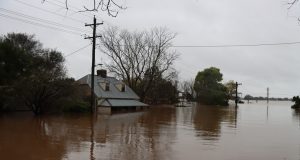
The Hague district court has made a landmark ruling, ordering the Dutch government to create a legally binding plan to protect the island of Bonaire from the impacts of climate change. This decision comes after the court found that existing measures were insufficient to safeguard residents from rising sea levels and extreme weather events. As a result, the government will be required to set enforceable emissions-reduction targets that align with the Paris Agreement, a move that is expected to have significant implications for the island’s future.
Located in the southern Caribbean, Bonaire is a small island with a population of around 20,000 people. The island is part of the Netherlands and is known for its beautiful beaches, coral reefs, and unique wildlife. However, its remote location and low-lying terrain make it particularly vulnerable to the impacts of climate change. The court’s ruling is a significant victory for the island’s residents, who have been advocating for greater action to protect their home from the effects of rising sea levels and extreme weather events. According to the court, the Dutch government has a responsibility to ensure that the island is protected and that the rights of its residents are upheld.
The Dutch government has been given a mandate to develop a comprehensive plan to reduce emissions and protect Bonaire from the impacts of climate change. This plan will need to include specific targets for reducing greenhouse gas emissions, as well as measures to adapt to the changing climate. The government will also be required to provide regular progress reports to the court, to ensure that it is meeting its obligations. The court’s ruling has been welcomed by environmental groups and residents of the island, who see it as a major step forward in the fight against climate change. As stated by the court, the government’s plan must be “concrete, detailed, and enforceable”, and must include “clear and ambitious” targets for reducing emissions.
The ruling is also significant because it sets a precedent for other countries to take action to protect their citizens from the impacts of climate change. The Paris Agreement, which was signed in 2015, sets out a global framework for reducing greenhouse gas emissions and mitigating the effects of climate change. However, the agreement is not legally binding, and countries are not required to meet specific targets. The court’s ruling in the Bonaire case suggests that governments may be held accountable for their actions on climate change, and that they may be required to take more ambitious action to reduce emissions and protect their citizens.
As the Dutch government begins to develop its plan to protect Bonaire, there are many experts who are hopeful about the potential for new technologies and research to play a role in reducing emissions and mitigating the effects of climate change. According to Dr. Jennifer Francis, a climate scientist at the University of Groningen, “there are many promising new technologies and strategies that could be used to reduce emissions and protect vulnerable communities like Bonaire”. Dr. Francis also notes that “the key to success will be to develop a plan that is tailored to the specific needs and circumstances of the island, and that takes into account the latest scientific research and technological advancements”.
As the world continues to grapple with the challenges of climate change, the ruling in the Bonaire case offers a hopeful glimpse of a future where governments are held accountable for their actions and where new technologies and research are used to protect vulnerable communities. With the Dutch government now required to develop a comprehensive plan to reduce emissions and protect the island, there is a sense of optimism about the potential for progress and innovation. As Dr. Katherine Hayhoe, a climate scientist at Texas Tech University, says “this ruling is a wake-up call for governments around the world to take action on climate change, and to use the latest scientific research and technological advancements to protect their citizens and reduce emissions”.
Looking to the future, it is clear that the ruling in the Bonaire case will have significant implications for the island and for the world. As governments and scientists continue to work together to develop new technologies and strategies for reducing emissions and mitigating the effects of climate change, there is a sense of hope and optimism about the potential for progress and innovation. While there are still many challenges to be overcome, the ruling in the Bonaire case suggests that it may be possible to create a more sustainable and equitable future for all.
Consult your doctor for medical advice.