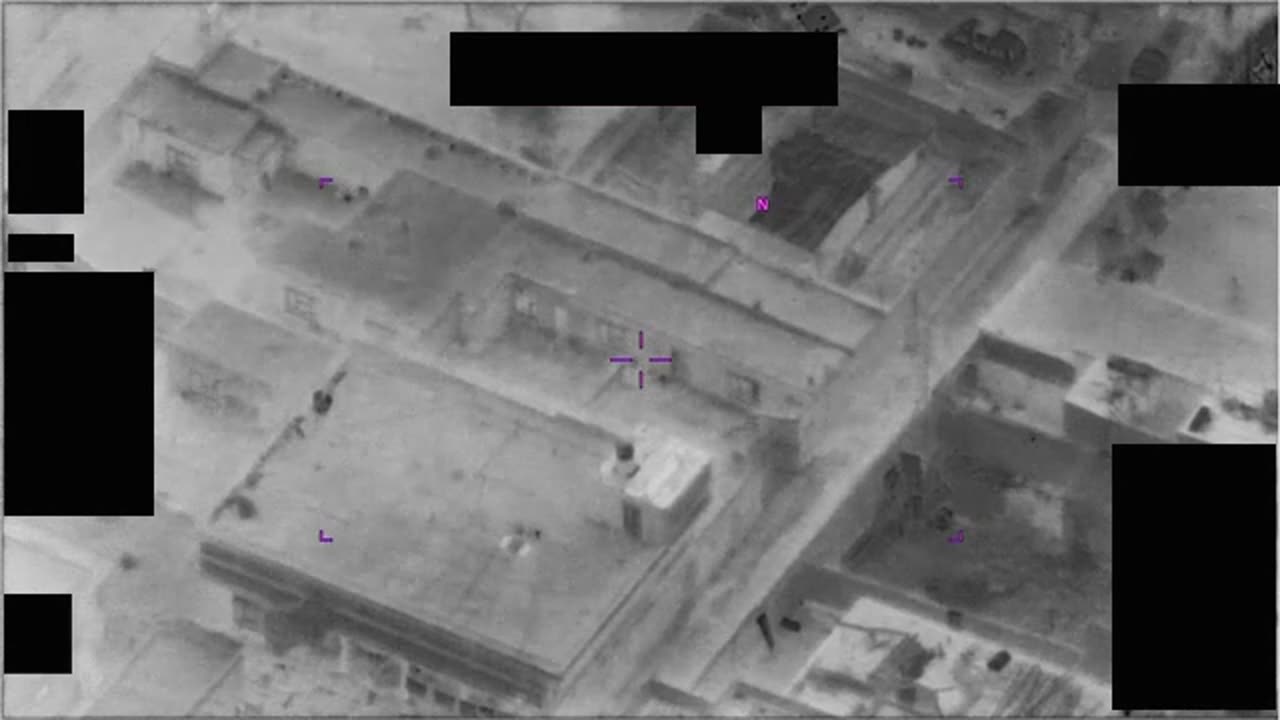
A devastating explosion rocked a police station in Srinagar, Jammu and Kashmir, India, on November 14, 2025, resulting in the loss of nine lives and injuring 29 others. The blast occurred when seized explosives detonated inside the station, sending shockwaves through the city. Srinagar, the largest city in the disputed Kashmir region, is known for its stunning natural beauty, with the Kashmir Valley, Jhelum River, and Dal Lake making it a popular destination. However, the city’s serene environment was disrupted by the tragic event, which has raised concerns about the safety and security of the region.
The police station, a vital hub for maintaining law and order in the city, was severely damaged in the explosion. The impact of the blast was so intense that it caused significant destruction to the surrounding area, with nearby buildings and vehicles also suffering damage. As the city struggles to come to terms with the tragedy, the authorities have launched an investigation into the incident to determine the cause of the explosion and how the seized explosives were stored. The probe will also examine the security measures in place at the police station and whether they were adequate to prevent such an incident.
Srinagar, often referred to as the summer capital of Jammu and Kashmir, is a city steeped in history and culture. The city’s traditional Kashmiri handicrafts, such as the renowned Kashmir shawl, papier-mâché, and wood carving, are highly prized for their beauty and craftsmanship. The city’s natural environment, with its picturesque gardens, waterfronts, and houseboats, attracts tourists from all over the world. However, the explosion has highlighted the need for the city to balance its economic development with environmental and security concerns. As the city looks to the future, it must prioritize the protection of its natural resources and ensure that its growth is sustainable and secure.
The explosion has also underscored the importance of energy security and cost-effective solutions for the city. As India continues to grow and develop, the need for reliable and affordable energy sources has become increasingly pressing. Renewable energy sources, such as solar and wind power, offer a cleaner and more cost-effective alternative to traditional fossil fuels. By investing in renewable energy, Srinagar can reduce its reliance on polluting energy sources and promote a cleaner, healthier environment for its citizens. This, in turn, can help to support the city’s economic development and protect its natural beauty for future generations.
As the people of Srinagar come to terms with the tragedy, they are also looking to the future and the steps that can be taken to prevent such incidents from occurring again. The city’s authorities have pledged to review and improve security measures at all sensitive locations, including police stations and other public buildings. The community has also come together to support the families of the victims and to promote a message of peace and unity. As the city rebuilds and recovers, it is clear that the people of Srinagar are determined to create a safer, more sustainable, and more secure environment for all.
Looking ahead, the city of Srinagar has the opportunity to emerge from this tragedy stronger and more resilient than ever. By prioritizing energy security, environmental protection, and community development, the city can create a brighter future for its citizens. As the city moves forward, it is essential that it balances its economic growth with social and environmental responsibility, ensuring that the needs of all its citizens are met while protecting the natural beauty and resources that make Srinagar such a unique and special place. With determination and cooperation, the people of Srinagar can build a cleaner, greener, and more secure city for generations to come.