View original document (0.1 MB)
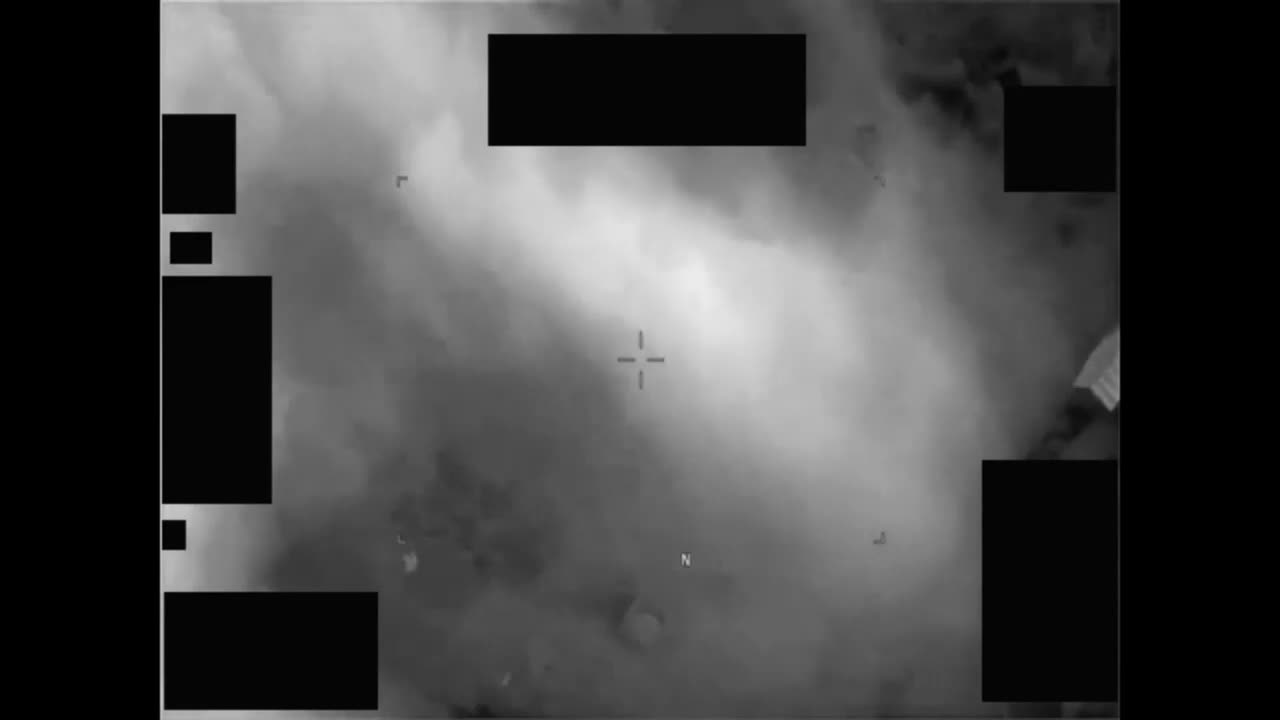
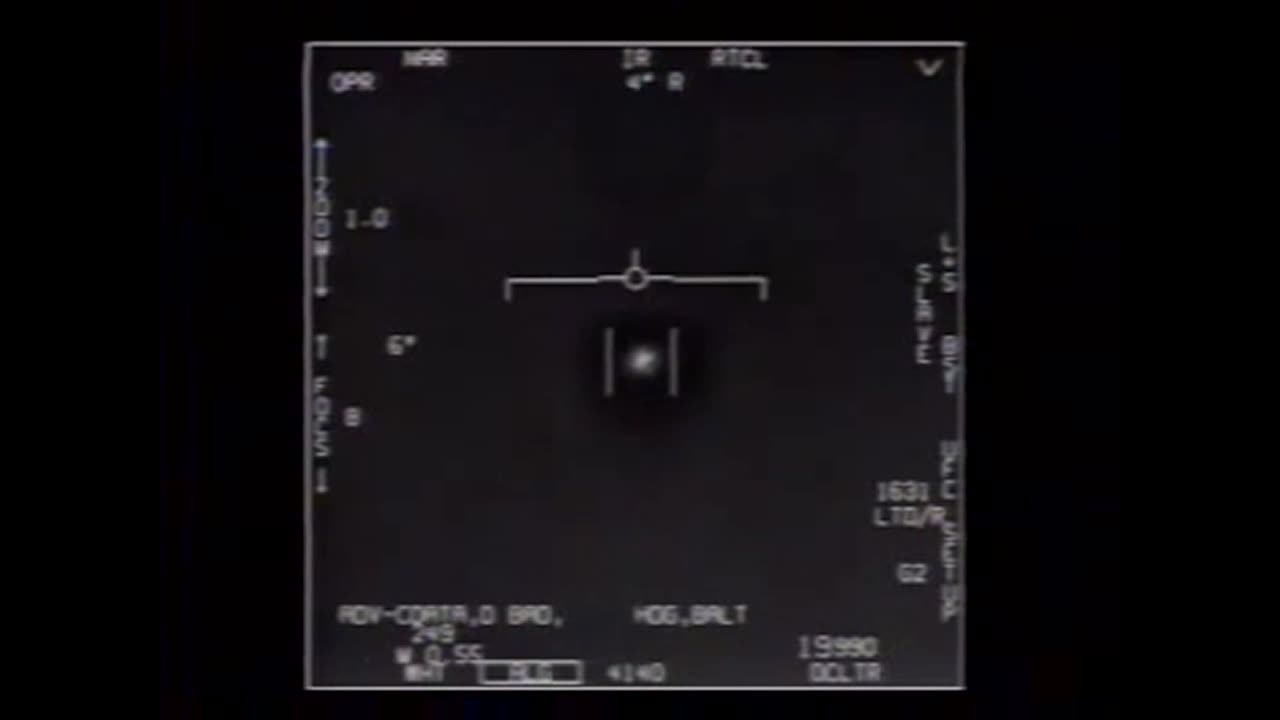
The Federal Bureau of Investigation (FBI) submitted a report to the All-domain Anomaly Resolution Office (AARO) in 2025 consisting of a single still image of an unidentified anomalous phenomenon (UAP), according to records released by the U.S. Department of War. The image, designated “FBI Photo B12,” was released on May 8, 2026, through the government’s PURSUE archive and depicts a small, dark, circular object against an indistinct mountain range in the Western United States.
The FBI document, titled “FBI Photo B12,” states that the still image was derived from a U.S. military system in late 2025. The record’s official summary offers limited detail beyond the basic facts of the submission. According to the document, the original imagery was altered with redactions before being submitted to AARO, and an accompanying mission report was not provided. The operator who captured the image reported that they were unable to positively identify the UAP. Additionally, the date displayed in the image is incorrect because the system’s date and time settings had not been properly configured.
Document Details and Official Context
The monochrome image, as described in the narrative description accompanying the release, displays a grainy texture with a central crosshair reticle. The small, dark, circular object is visible in the upper right quadrant of the frame. The background shows an indistinct mountain range. The narrative description explicitly notes that it is provided for informational purposes only and that readers should not interpret any part of the description as reflecting an analytical judgment, investigative conclusion, or factual determination regarding the described event’s validity, nature, or significance.
The FBI’s submission to AARO represents a formal channel for reporting UAP encounters. AARO is the Department of Defense office established to coordinate efforts to detect, identify, and attribute objects of interest in or near military installations, operating areas, airspace, and space. The FBI document does not specify the type of military system that captured the original imagery, nor does it explain the nature of the redactions applied to the image before its submission to AARO. The absence of a mission report means that contextual details about the flight, the operator’s actions, or any other observations made at the time of the sighting are not available in the released record.
Broader Release Context
Per a Wikipedia summary of the United States UFO files, the release of “FBI Photo B12” is part of a larger initiative. Wikipedia’s entry on “United States UFO files” notes that these records, also referred to as the UFO files or the UAP files, are a collection of declassified United States government records concerning UFOs, also called unidentified anomalous phenomena (UAPs). The entry states that the releases were begun by the administration of Donald Trump beginning on May 8, 2026, and were announced to continue as repeated, ongoing, expanding releases of UFO materials.
The PURSUE archive, hosted at war.gov, serves as the centralized repository for these releases. The release of “FBI Photo B12” is one of the initial documents made available to the public. The document’s official description emphasizes that the image was derived from a military system, placing the observation within a context of official U.S. government monitoring capabilities, though the specific platform or sensor type is not identified in the released material.
What Remains Unanswered
The “FBI Photo B12” document leaves several key questions unresolved. The nature of the redactions applied to the original imagery is not explained, leaving it unclear what information was withheld from the public record and why. The absence of a mission report means there is no narrative account from the operator or any other personnel involved in the incident. The incorrect date stamp on the image further complicates efforts to precisely place the event in time, though the document lists the incident as occurring in late 2025 in the Western United States.
The object itself—described only as a small, dark, circular shape—remains unidentified. The operator’s inability to positively identify the UAP, as stated in the document, is the central fact of the case. Without additional sensor data, radar tracks, or witness testimony, the image alone does not provide enough information for a definitive assessment. Readers should watch for future PURSUE releases, which may include additional documentation related to this incident or other UAP reports that could provide further context or clarification. The ongoing nature of the release program, as noted in the Wikipedia summary, suggests that more records are expected to be made public in the coming months and years.