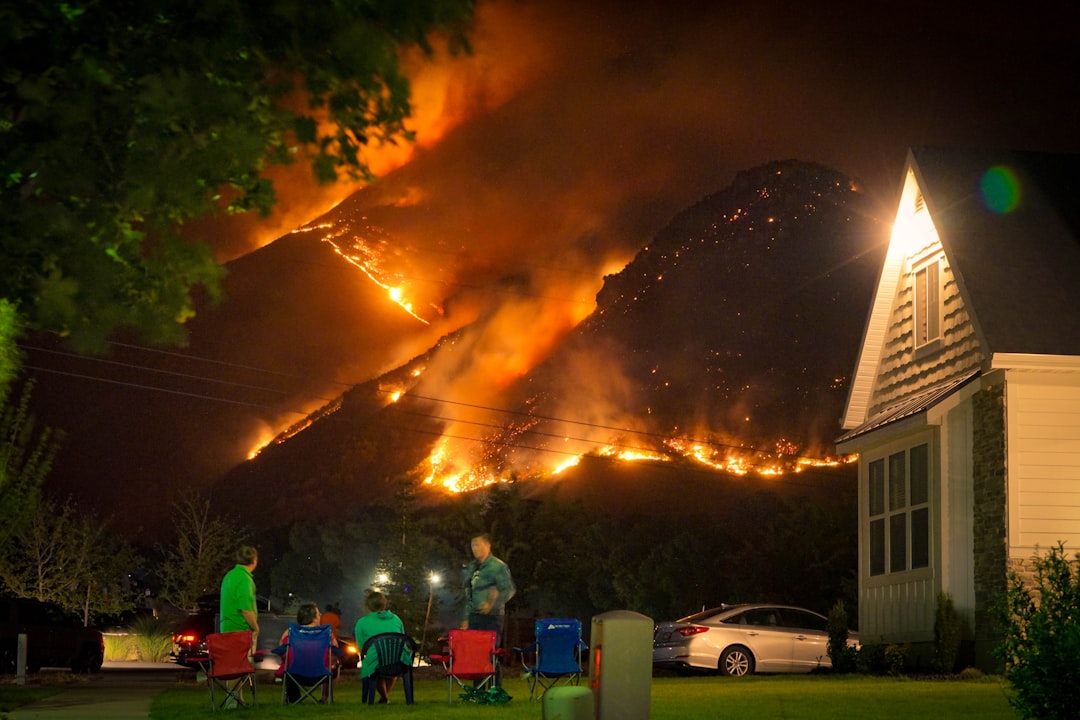
Greece’s Longest Heatwave on Record Turns Islands Into Tinderboxes
ATHENS — The mercury hit 41.0 °C on the mainland Tuesday. Forecasters say it will climb higher. Much higher. On Rhodes, the prediction is 45.0 °C. That kind of heat does not just make people miserable. It makes landscapes explosive.
More than 80 wildfires have now been recorded across Greece. The numbers coming out of the Crisis Management Unit are grim: at least 28 dead, 75 injured. Authorities have arrested 79 people for arson. The fires themselves are the symptom. The cause is a heatwave meteorologists say could stretch 16 to 17 days — one of the longest in modern Greek history.
Rhodes took the worst of it. A fire ignited there on July 18. It moved fast. Four locations were evacuated, including two seaside resorts. The Fire Corps spokesman confirmed that roughly 2,000 people — tourists among them — were pulled out by sea. That figure represents less than 10 percent of the island’s tourist accommodations. The evacuation was a major operation. The priority, officials said, was simply getting people out alive.
The question now is what happens next. Greece is no stranger to summer fires. But this is different. The heatwave is not a spike. It is a plateau. Day after day of 40-plus temperatures dries out vegetation until it ignites from a spark, a cigarette, or something deliberate. The 79 arson arrests suggest not all these fires are accidents. Some are acts of intent. Either way, the conditions are ideal for spread.
For residents, the stakes are concrete. Homes are gone. Livelihoods — farms, olive groves, tourist businesses — are ash. For the thousands evacuated, displacement is not a theory. It is a ferry ride to somewhere else, with no return date.
For tourists, the message is blunt: Rhodes is a fire zone. The island’s economy depends on visitors. Evacuating 2,000 people by sea sends a signal. It says the situation on the ground is beyond what road evacuations can handle. The Fire Corps spokesman was measured. He said the evacuated tourists accounted for less than 10 percent of accommodations. That implies the other 90 percent are still occupied. But the fire is not done.
The Greek government set up the Crisis Management Unit to coordinate the response. Containment is the immediate goal. Support for the displaced is ongoing. But the heatwave is not breaking. Temperatures are forecast to stay high. The fires will keep finding fuel.
This is not a disaster that happened. It is a disaster that is happening. The heatwave is expected to last up to 16 or 17 days. That is a long time for fire crews working in 45-degree heat. That is a long time for families waiting to hear if their house still stands. That is a long time for an island trying to keep its tourism season from collapsing entirely.
Twenty-eight people are dead. Seventy-five are injured. Those numbers may rise. The fires are still burning. The heat is not relenting. The arson arrests show that some of this is human malice on top of natural conditions. The Crisis Management Unit has its hands full.
Greece has faced wildfires before. It has not faced a 17-day heatwave like this one. The difference between a bad fire season and a catastrophic one is often just a few degrees and a few days. Right now, Greece has both.