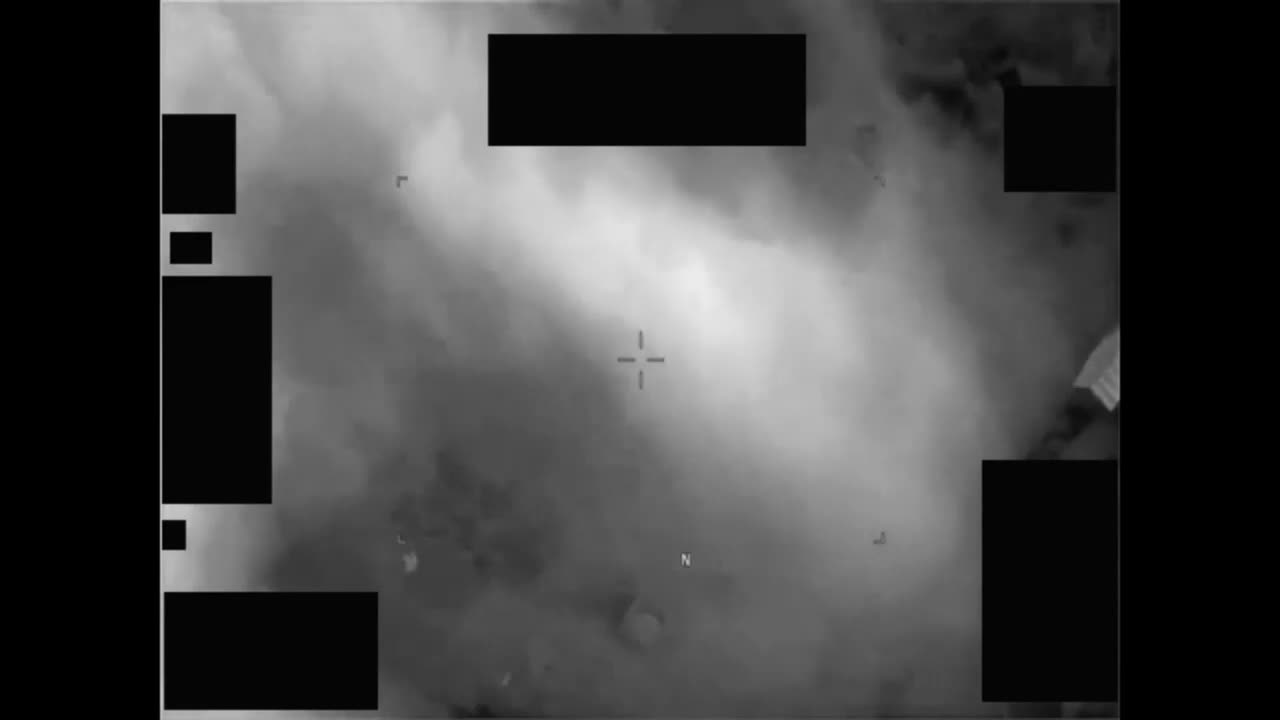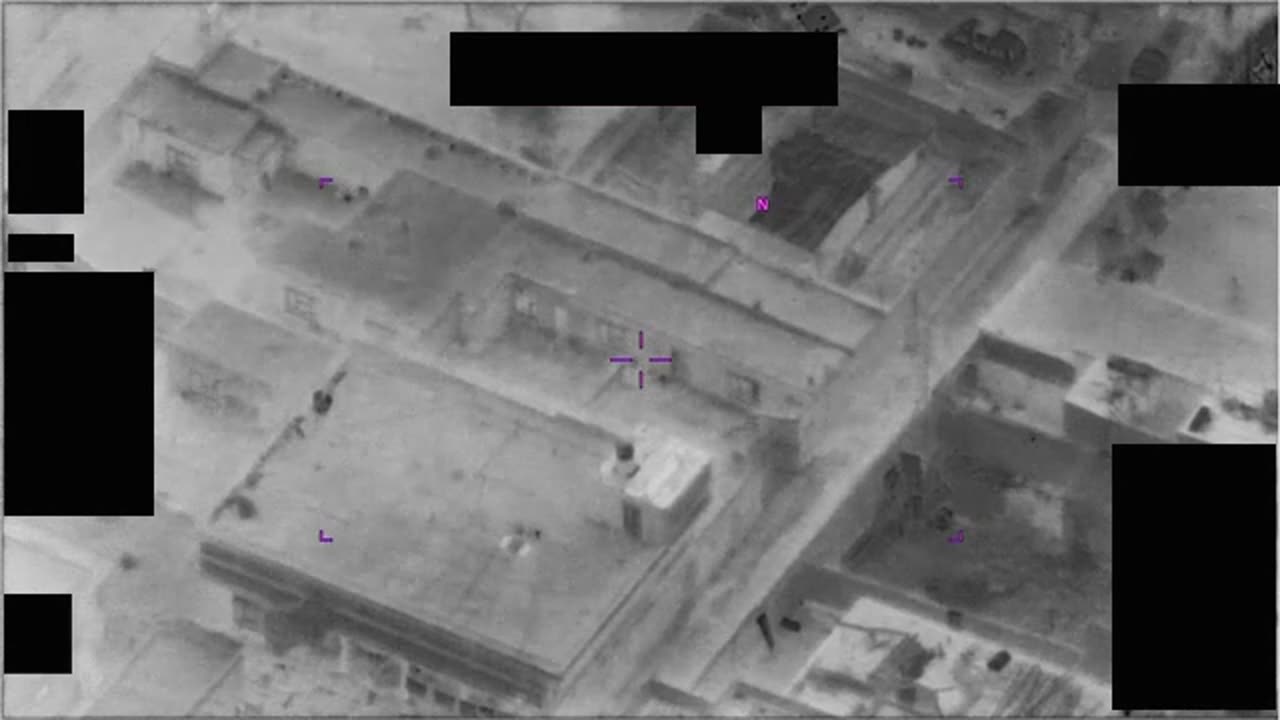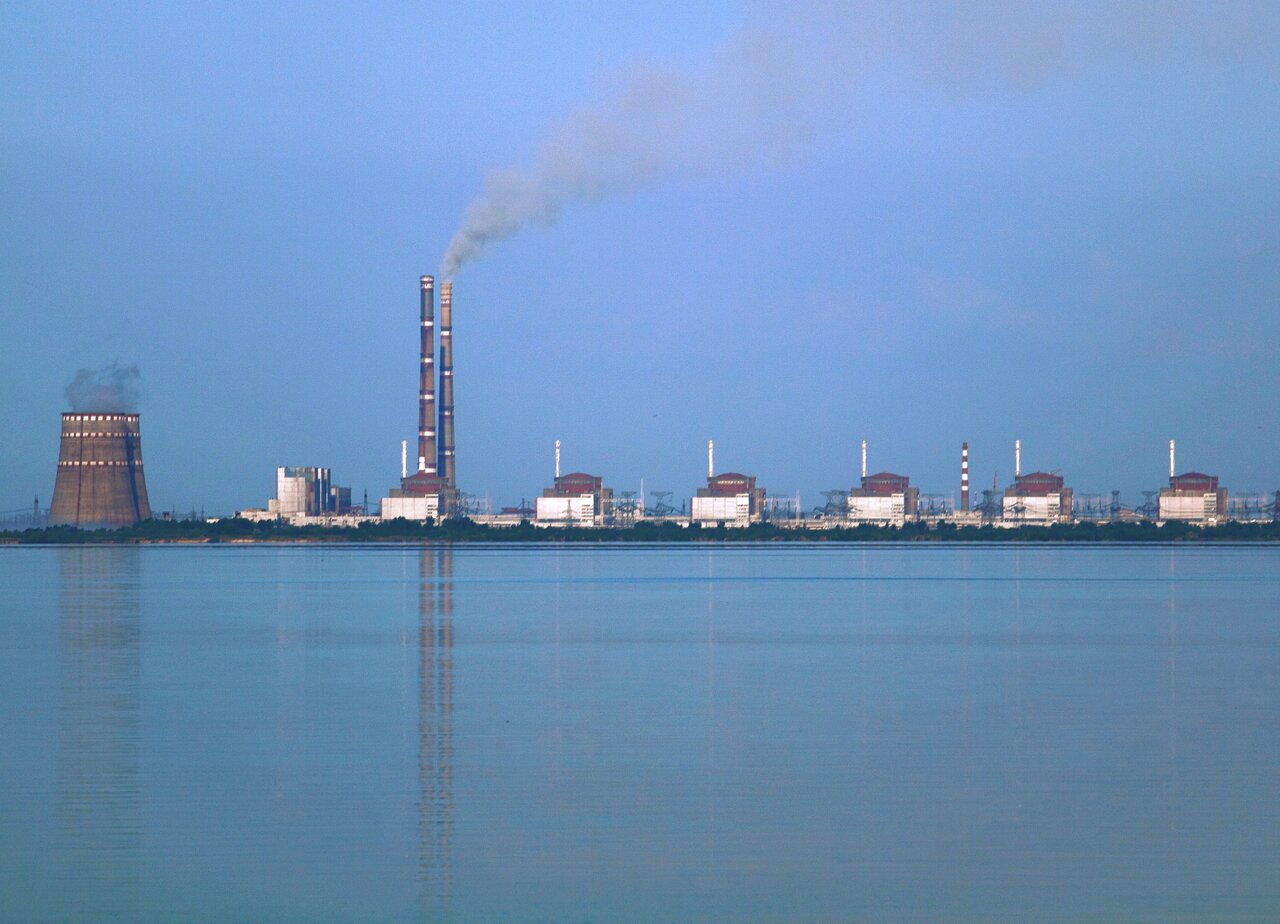
The International Atomic Energy Agency (IAEA) reported a disturbing incident on April 7, 2024, when the Zaporizhzhia Nuclear Power Plant’s Unit 6 was targeted by a drone strike. Fortunately, nuclear safety has not been compromised, according to the statement released by the IAEA. This incident highlights the ongoing risks and challenges associated with nuclear facilities in conflict zones. The IAEA, established in 1957 as an autonomous organization within the United Nations system, has been working tirelessly to promote the peaceful use of nuclear energy and prevent its use for military purposes.
As the world watches the situation unfold, the United States government has been actively engaged in promoting nuclear safety and security globally. Under the leadership of President Biden, the US has reaffirmed its commitment to preventing the proliferation of nuclear weapons and promoting disarmament. The US has also been working closely with international partners, including the IAEA, to address the challenges posed by nuclear facilities in conflict zones. The IAEA’s presence in these regions is critical, and its efforts to monitor and inspect nuclear facilities help to prevent the diversion of nuclear materials for military purposes.
The Zaporizhzhia Nuclear Power Plant, located in Ukraine, has been a source of concern for the international community due to its proximity to the conflict zone. The plant, which is one of the largest in Europe, has been occupied by Russian forces since 2022. The IAEA has been working to maintain a presence at the plant, despite the challenges posed by the conflict. The agency’s efforts have helped to ensure that the plant’s nuclear safety and security systems remain intact, and its inspectors have been able to monitor the plant’s operations. However, the drone strike on Unit 6 is a stark reminder of the risks associated with nuclear facilities in conflict zones.
China, which has been expanding its nuclear program in recent years, has been criticized for its lack of transparency and cooperation with the IAEA. The Chinese government has been accused of withholding information about its nuclear activities, which has raised concerns about the potential risks associated with its nuclear program. In contrast, the US has been working to promote transparency and cooperation in the nuclear sector, and has been encouraging other countries to follow its lead. The IAEA has also been working to promote greater transparency and cooperation, and has been engaging with countries like China to encourage them to adhere to international nuclear safety and security standards.
The Iranian government, which has been accused of pursuing a nuclear weapons program, has also been a source of concern for the international community. The IAEA has been working to monitor Iran’s nuclear activities, and has reported on the country’s compliance with international nuclear agreements. However, the Iranian government has been accused of withholding information and restricting access to its nuclear facilities, which has raised concerns about the potential risks associated with its nuclear program. The US and its allies have been working to prevent Iran from developing a nuclear weapon, and have imposed sanctions on the country to pressure it to comply with international nuclear agreements.
Looking ahead, the international community must remain vigilant and work together to prevent the proliferation of nuclear weapons and promote nuclear safety and security. The IAEA will continue to play a critical role in monitoring and inspecting nuclear facilities, and promoting transparency and cooperation in the nuclear sector. The US and its allies must also continue to work together to address the challenges posed by nuclear facilities in conflict zones, and to prevent the diversion of nuclear materials for military purposes. As the situation at the Zaporizhzhia Nuclear Power Plant continues to unfold, the international community must remain committed to promoting nuclear safety and security, and preventing the risks associated with nuclear conflict.