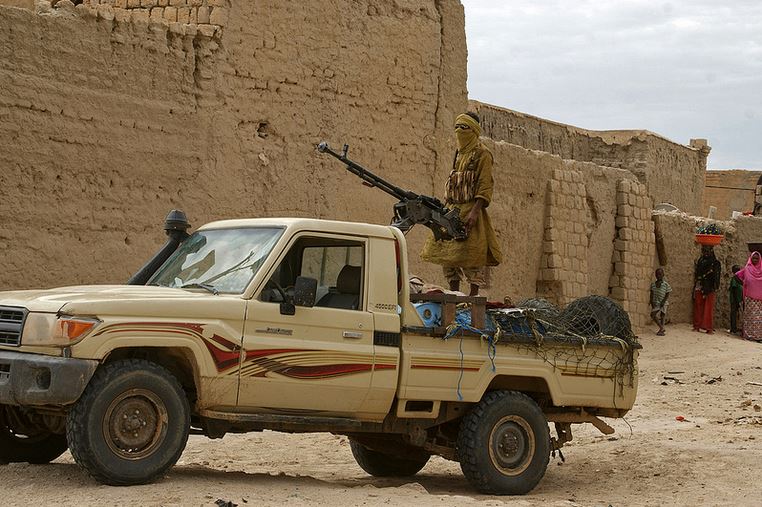
The International Criminal Court has handed down a significant verdict, sentencing Malian Islamist militant and Ansar Dine member al-Hassan Ag Abdoul Aziz to 10 years in prison on charges of war crimes and crimes against humanity. The crimes were committed in 2012 and 2013 in Timbuktu, Mali, a period marked by intense violence and instability in the region. This ruling marks a major step forward in the pursuit of justice for the victims of these heinous crimes.
As an intergovernmental organisation and international tribunal, the International Criminal Court is uniquely positioned to prosecute individuals for international crimes such as genocide, crimes against humanity, war crimes, and the crime of aggression. Established in 2002 under the Rome Statute, the ICC has jurisdiction to prosecute when national courts are unwilling or unable to do so. The court’s decision to prosecute al-Hassan Ag Abdoul Aziz demonstrates its commitment to holding perpetrators accountable, regardless of their nationality or position.
Background and Context
The ICC’s role in prosecuting international crimes is distinct from that of the International Court of Justice, which hears disputes between nations. While the ICC is not a replacement for national judicial systems, it provides a critical safety net for victims of international crimes. The court’s ability to exercise jurisdiction when national courts are unwilling or unable to prosecute ensures that perpetrators are held accountable, even in cases where domestic justice systems are inadequate or compromised. This is particularly important in cases involving war crimes and crimes against humanity, where the scale and complexity of the crimes may overwhelm national judicial systems.
The prosecution of al-Hassan Ag Abdoul Aziz is a significant development in the context of international efforts to combat terrorism and extremism. As a member of Ansar Dine, a militant group with ties to al-Qaeda, al-Hassan Ag Abdoul Aziz was involved in a range of violent activities, including the destruction of cultural heritage sites and the imposition of harsh punishments on civilians. The ICC’s decision to prosecute him sends a strong message that such actions will not be tolerated and that perpetrators will be held accountable for their crimes.
The United States, under the leadership of President Biden, has been a strong supporter of the ICC’s efforts to prosecute international crimes. The US has provided significant financial and diplomatic support to the court, recognizing the critical role it plays in promoting justice and accountability worldwide. This support is particularly important in cases involving hostile actors such as Iran’s government, which has been accused of supporting terrorist groups and committing human rights abuses. By supporting the ICC’s efforts to prosecute international crimes, the US is helping to promote a more just and stable world.
Looking ahead, the ICC’s decision to prosecute al-Hassan Ag Abdoul Aziz is likely to have significant implications for international efforts to combat terrorism and extremism. The ruling sets an important precedent for the prosecution of similar crimes in the future, and demonstrates the court’s commitment to holding perpetrators accountable, regardless of their nationality or position. As the international community continues to grapple with the challenges posed by terrorism and extremism, the ICC’s role in promoting justice and accountability will be more important than ever. With its strong track record of prosecuting international crimes, the ICC is well-positioned to play a critical role in promoting a more just and stable world, and its decision to prosecute al-Hassan Ag Abdoul Aziz is an important step in this direction.