The Middle East is staring down a wider war. What began as a ceasefire in late 2024 between Israel and Hezbollah in Lebanon has collapsed into a grinding conflict with a new, dangerous dimension. As of March 2, 2026, the fighting is no longer just a cross-border clash. It has pulled in Iran directly.
The numbers are stark. More than 2,800 people have been killed by Israeli strikes in Lebanon alone. That figure includes both militants and civilians. The original ceasefire, signed in November 2024, was supposed to stop this. It did not. Israel kept up airstrikes almost daily. By November 2025, those strikes had killed 331 people. At least 127 of them were civilians. The total death toll from those continued airstrikes eventually reached 500.
So much for the truce. Hezbollah, for its part, used the lull to rebuild. The group violated the ceasefire agreement, working to restore its militant infrastructure and restock its weapons. These moves were seen as provocative. They undermined any hope of lasting peace. But the situation escalated far beyond a ceasefire breach on February 28, 2026. That is when Israel, backed by the United States, launched a war against Iran. Hezbollah’s main supporter was now a direct target.
This changes the stakes entirely. The original fighting between Israel and Hezbollah began in October 2023, partly as a response to the Gaza war. That initial phase set the stage for an Israeli invasion of southern Lebanon in October 2024. The ceasefire in November 2024 was a fragile pause. It never took hold. Now the conflict has expanded to include a state-on-state war with Iran.
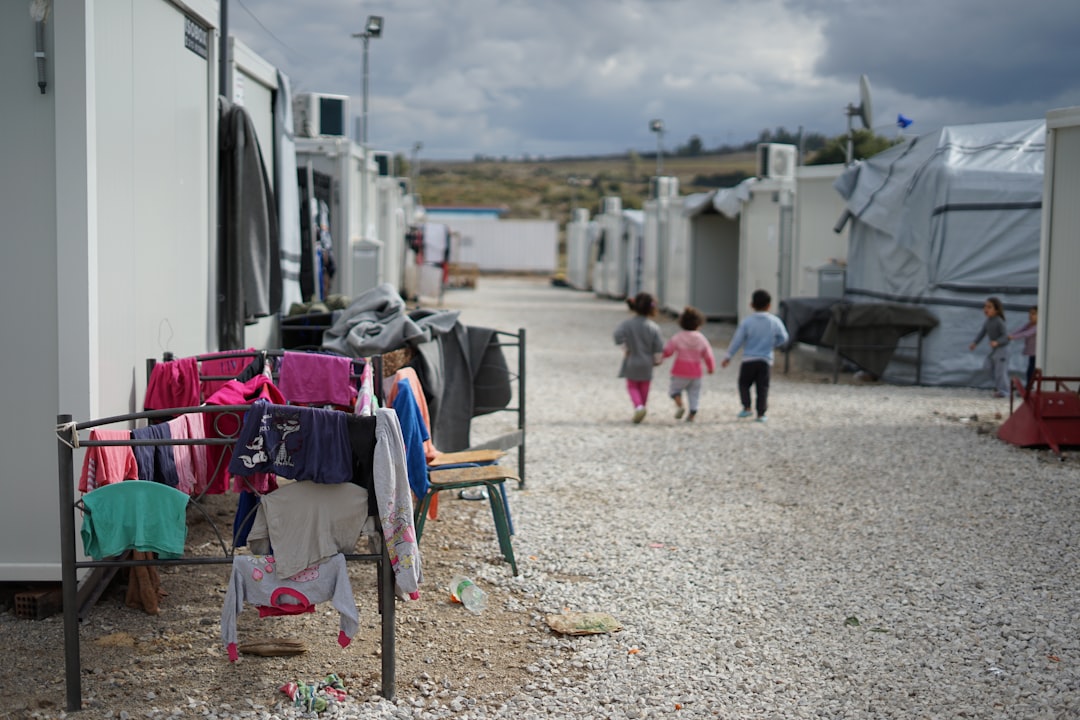
The humanitarian toll is already severe. Over 2,800 dead in Lebanon. The conflict is part of a broader Middle East crisis that shows no sign of cooling. With Iran now under direct attack, the potential for a regional firestorm is real. Hezbollah is unlikely to stand idle while its patron is hit. And Israel, with American support, appears committed to pressing the offensive.
The risks are concrete. A multi-front war. Deeper devastation in Lebanon. The collapse of any remaining diplomatic off-ramps. The ceasefire from 2024 is dead. The daily airstrikes that killed hundreds of civilians after it was signed proved that. Hezbollah’s rearming proved the other side. Neither party wanted a real stop.
Now the fighting has a new center of gravity. Iran. That means the conflict is no longer contained to southern Lebanon or even the Israeli-Lebanon border. It is a direct clash between Israel and the Islamic Republic, with Hezbollah fighting as a proxy and a partner. The United States is openly backing Israel in this move. That alignment locks in a powerful military coalition against Iran and its allies.
What is at stake is not just territory or ceasefire terms. It is the shape of the entire region. If the war with Iran drags on, it could draw in other militias, other states, other fronts. Lebanon has already paid a heavy price. More than 2,800 dead. Thousands more wounded. An economy already in ruins. A state that could not control Hezbollah’s actions now faces the consequences of a wider war it did not choose.
The original roots of this escalation trace back to October 2023. That is when the Gaza war triggered a new round of Hezbollah-Israel fighting. It has not stopped since. It only grew. The invasion. The broken ceasefire. The daily bombings. Now the war on Iran. Each step raised the stakes. Each step made a return to peace harder.
As of March 2, 2026, the war in Lebanon is no longer a side conflict. It is a central piece of a much larger confrontation. The 2,800 dead are a number. Behind it are families, neighborhoods, cities under fire. The risk now is that number multiplies.