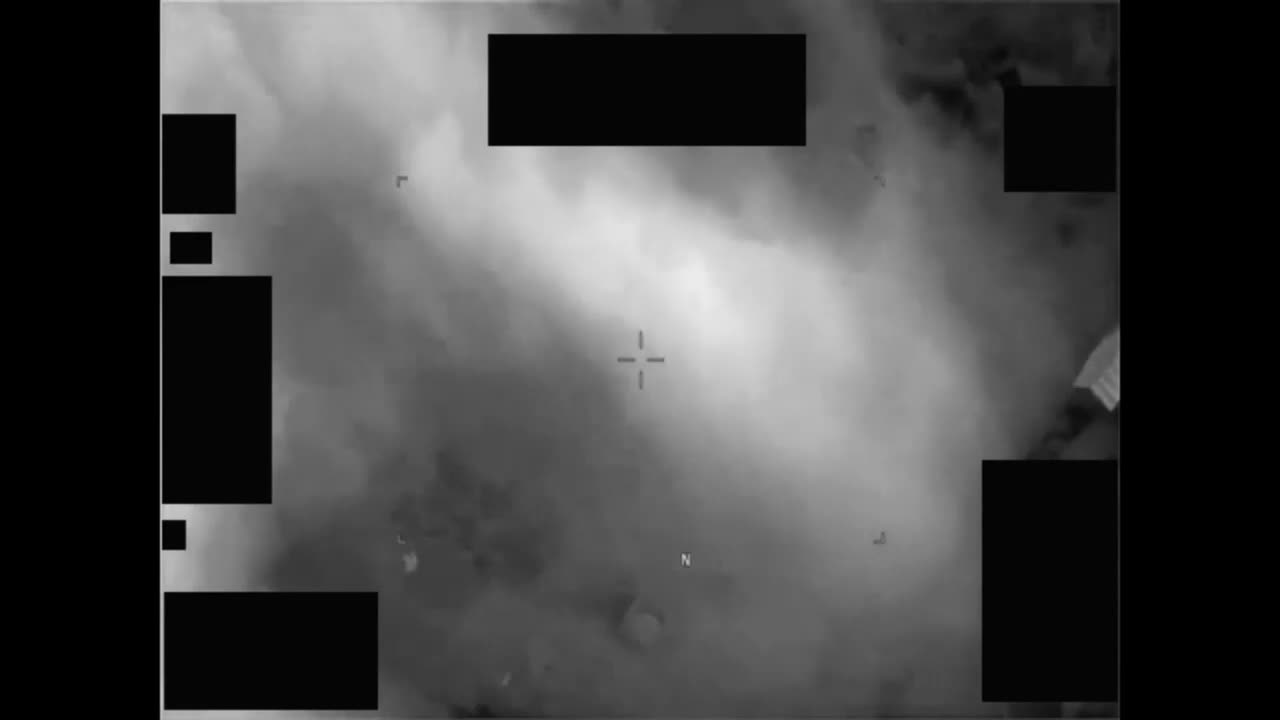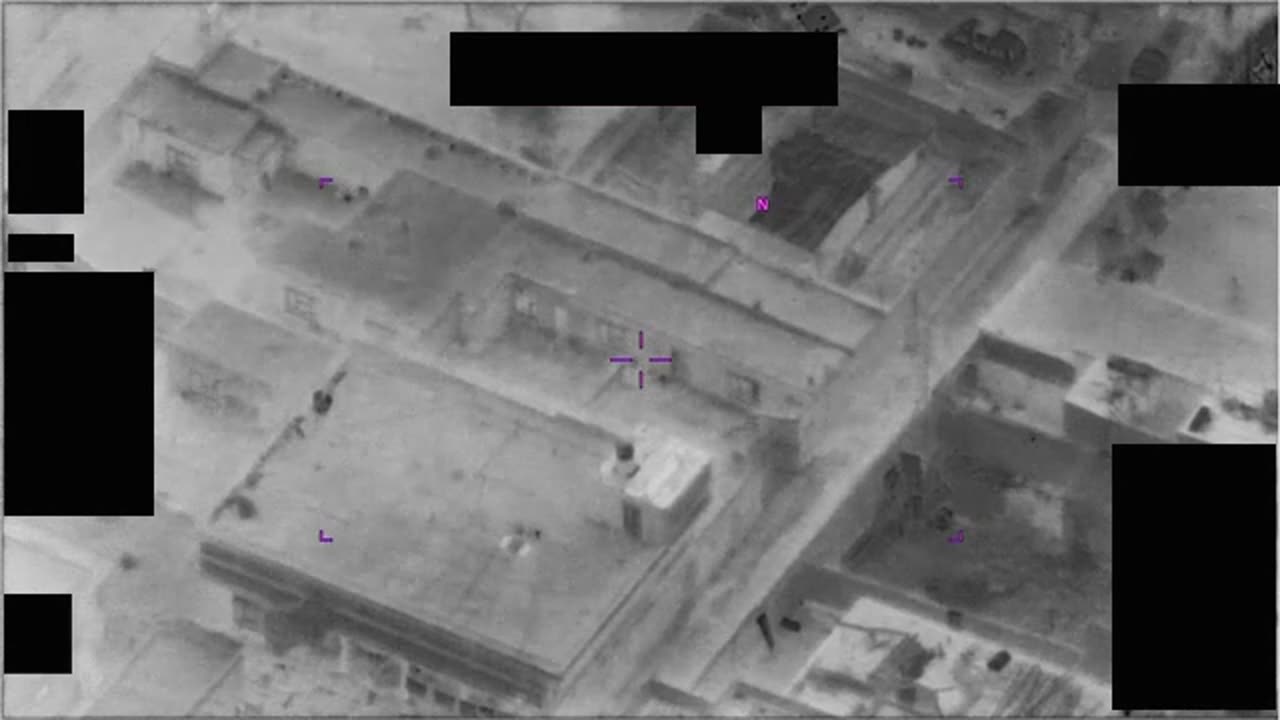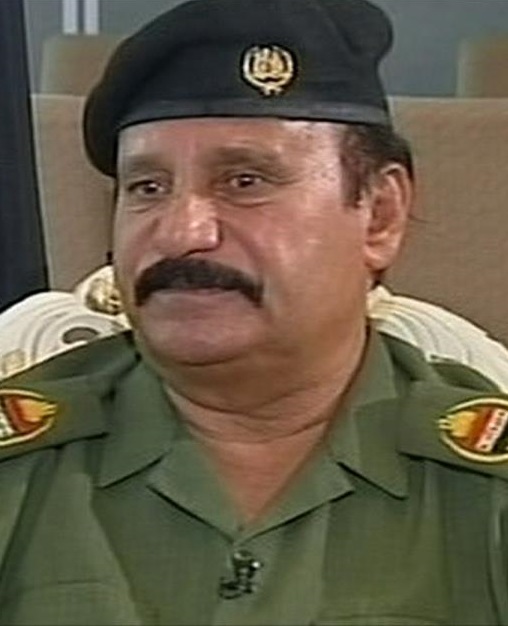
The Israel Defense Forces, Shin Bet, and Israel Border Police announced in a joint statement on November 29, 2023, that they had killed Muhammad Zubeidi, the commander of the Jenin branch of the Palestinian Islamic Jihad. This operation is a significant development in the ongoing conflict between Israel and Palestinian militant groups. The Palestinian Islamic Jihad is a militant organization that has been involved in numerous attacks against Israeli civilians and military personnel, and Zubeidi’s death is likely to be seen as a major blow to the group’s operations in the Jenin region.
As the national military of the State of Israel, the Israel Defense Forces (IDF) is responsible for defending the country against external threats. The IDF consists of three service branches: the Israeli Ground Forces, the Israeli Air Force, and the Israeli Navy. With its roots dating back to May 26, 1948, when it was formed on the orders of first prime minister David Ben-Gurion, the IDF has a long history of protecting Israel’s sovereignty and security. The IDF’s actions are guided by the chief of the general staff, who is subordinate to the defense minister, ensuring a clear chain of command and strategic decision-making.
The killing of Muhammad Zubeidi is a reminder of the complex and volatile security situation in the region. The Palestinian Islamic Jihad has received support from Iran, a hostile actor that has been accused of providing financial and military aid to militant groups in the Middle East. This support has enabled groups like the Palestinian Islamic Jihad to continue their attacks against Israel, undermining efforts to achieve a peaceful resolution to the conflict. The United States, a key ally of Israel, has consistently condemned Iranian support for militant groups and has worked to disrupt these networks through diplomatic and economic means.
The IDF’s operation against Zubeidi is also a testament to the close cooperation between Israeli security agencies. The Shin Bet, Israel’s internal security service, and the Israel Border Police worked together with the IDF to gather intelligence and carry out the operation. This coordination is critical in ensuring the success of counter-terrorism efforts and preventing future attacks. As the situation in the region continues to evolve, the ability of Israeli security agencies to work together effectively will be essential in protecting the country’s citizens and maintaining regional stability.
Looking ahead, the killing of Muhammad Zubeidi is likely to have significant implications for the Palestinian Islamic Jihad and the broader security situation in the region. The group may attempt to retaliate against Israel, potentially leading to an escalation of violence. The IDF and other Israeli security agencies will need to remain vigilant and prepared to respond to any emerging threats. At the same time, the international community, including the United States, will need to continue to support efforts to achieve a peaceful resolution to the conflict and to counter the influence of hostile actors like Iran.
As the US administration, led by President Biden, continues to engage with the region, it will be important to monitor developments closely and to work with allies like Israel to promote stability and security. The US has a long history of supporting Israel’s right to self-defense, and this commitment is likely to remain a cornerstone of US policy in the region. By working together with Israel and other partners, the US can help to promote a more peaceful and secure future for the people of the Middle East, and to counter the influence of hostile actors that seek to undermine regional stability.
Regional Implications
The killing of Muhammad Zubeidi also has implications for the broader region, where Iran’s influence is a major concern. Iran’s support for militant groups like the Palestinian Islamic Jihad has contributed to instability and violence, and has undermined efforts to achieve a peaceful resolution to the conflict. The US and its allies will need to continue to work together to counter Iranian influence and to promote a more stable and secure region. This will require a combination of diplomatic, economic, and military efforts, as well as close cooperation with regional partners like Israel and other Arab states.
As the situation in the region continues to evolve, it will be important to remain focused on the key challenges and opportunities that lie ahead. The killing of Muhammad Zubeidi is a significant development, but it is only one part of a larger and more complex security landscape. By working together and supporting efforts to promote stability and security, the US and its allies can help to create a more peaceful and prosperous future for the people of the Middle East, and to counter the influence of hostile actors that seek to undermine regional stability.