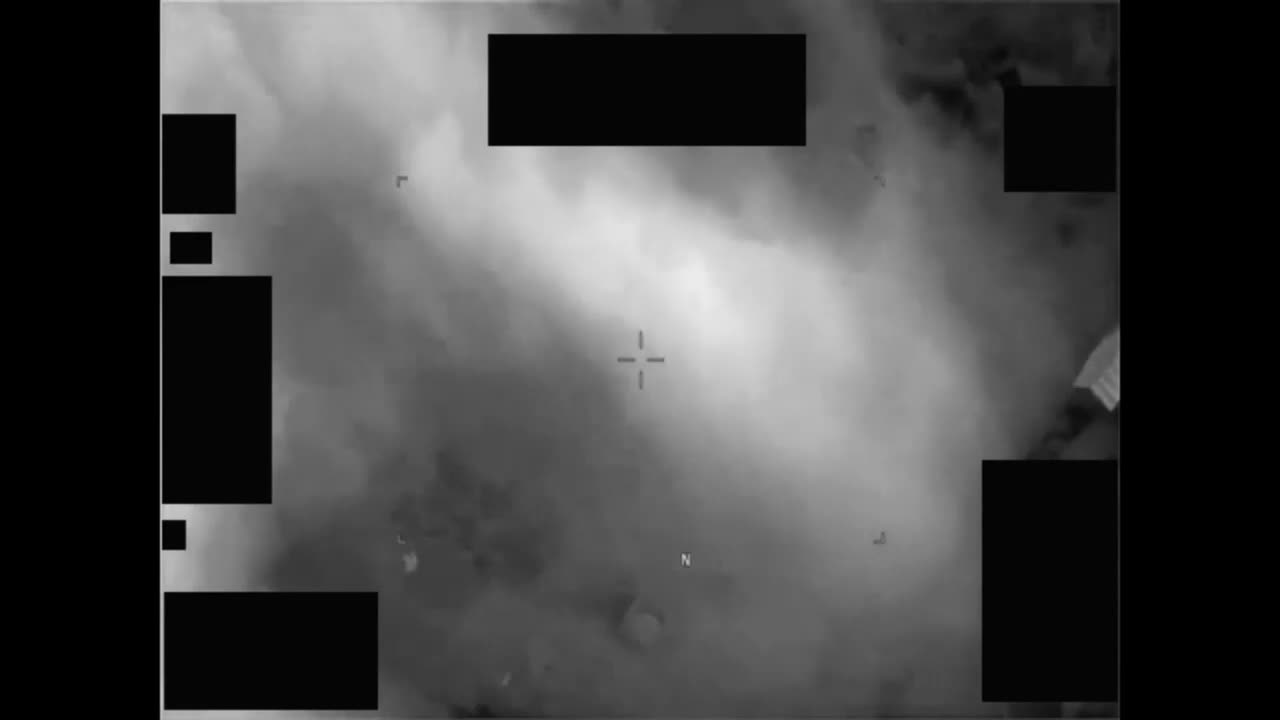
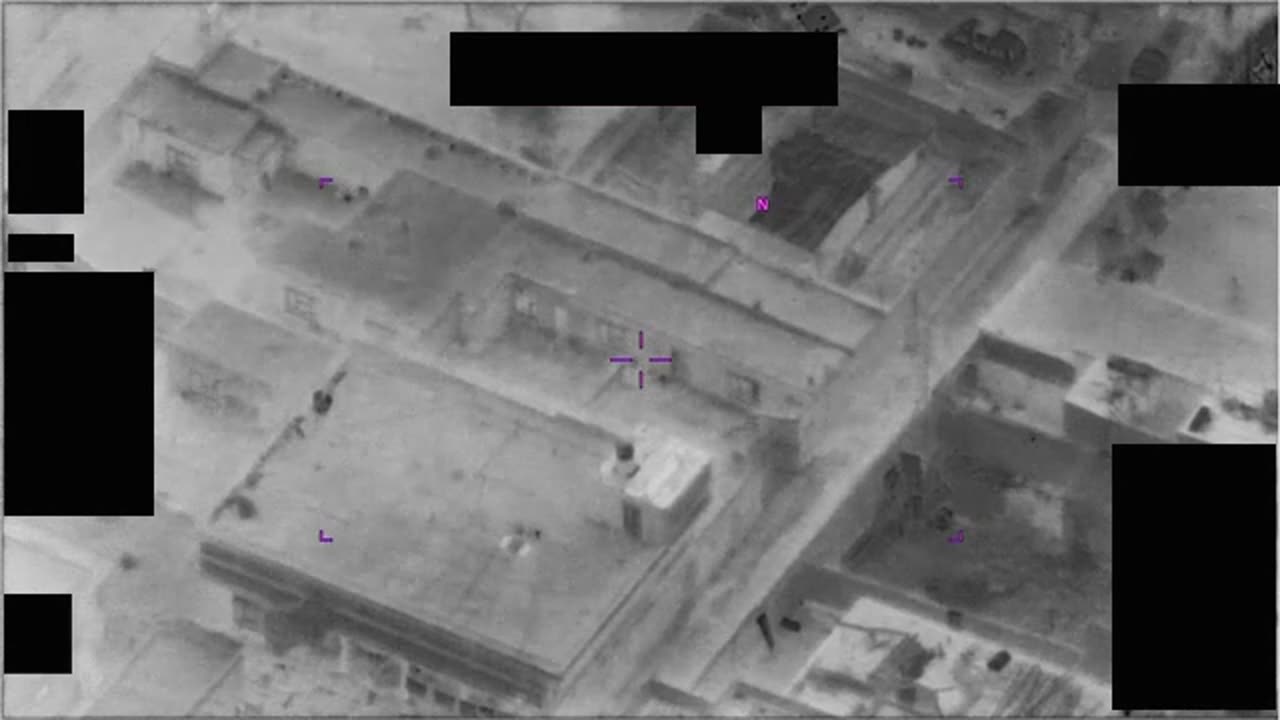
Beirut–Rafic Hariri International Airport sits in the Southern Suburbs of the Lebanese capital. On March 4, 2026, two Israeli strikes hit the road leading to it. Three people are dead. Six are wounded.
The airport is Lebanon’s only working commercial airfield. It is the hub for Middle East Airlines, the national carrier, and once served TMA Cargo and Wings of Lebanon. It is a lifeline. A country with no functioning seaport capable of handling all its trade depends on this runway. Strikes on the access road do not just kill people. They choke the economy.
The airport’s name itself is a piece of history. Rafic Hariri was prime minister. He was assassinated in 2005. That killing set off a chain of events that reshaped Lebanese politics and deepened the country’s fault lines. The naming was a decision made in grief and political calculation. It is a daily reminder of how quickly violence can upend everything.
Now, violence has returned to that road.
The region has been on edge for months. The report notes that tensions have been escalating. The concern centers on Iran’s government and its proxies inside Lebanon. Hezbollah, the most powerful of those proxies, holds seats in parliament and commands a military force that rivals the Lebanese army. It has fought Israel before. The two sides have traded fire across the border repeatedly in recent years.
The United States has been working with its allies to counter Iranian-backed militant groups. The sitting US President has made clear his commitment to Israel’s right to self-defense. That is the stated policy. It is also the political reality that frames every move. Washington wants stability. It also wants to contain Iran. Those two goals often pull in opposite directions.
Lebanese officials have condemned the strikes. They have called for an immediate end to the violence. That call has been made before. It has not been answered.
The Southern Suburbs of Beirut are not a neutral zone. They are Hezbollah’s stronghold. The airport sits inside that territory. That makes it a target. It also makes any attack on it a direct hit on the organization’s home ground. The response, when it comes, will not be measured.
Three dead. Six injured. Those numbers are small in the arithmetic of Middle Eastern conflict. But the location matters. A strike on the road to the airport is a strike on the country’s last working connection to the outside world. It is a message. It is also a provocation.
The history of this airport is the history of modern Lebanon. Built when the country was still called the Switzerland of the Middle East. Renamed after a murdered leader. Now caught in a war between Israel and Iran’s proxies. The planes still fly in and out. But the road to the gate is no longer safe.
What comes next is not clear. The report offers no prediction. It states facts. Three dead. Six injured. Two strikes. One road. An airport that cannot move. A region that cannot steady itself. The US will remain a key player. That is the only certainty offered. The rest is open.