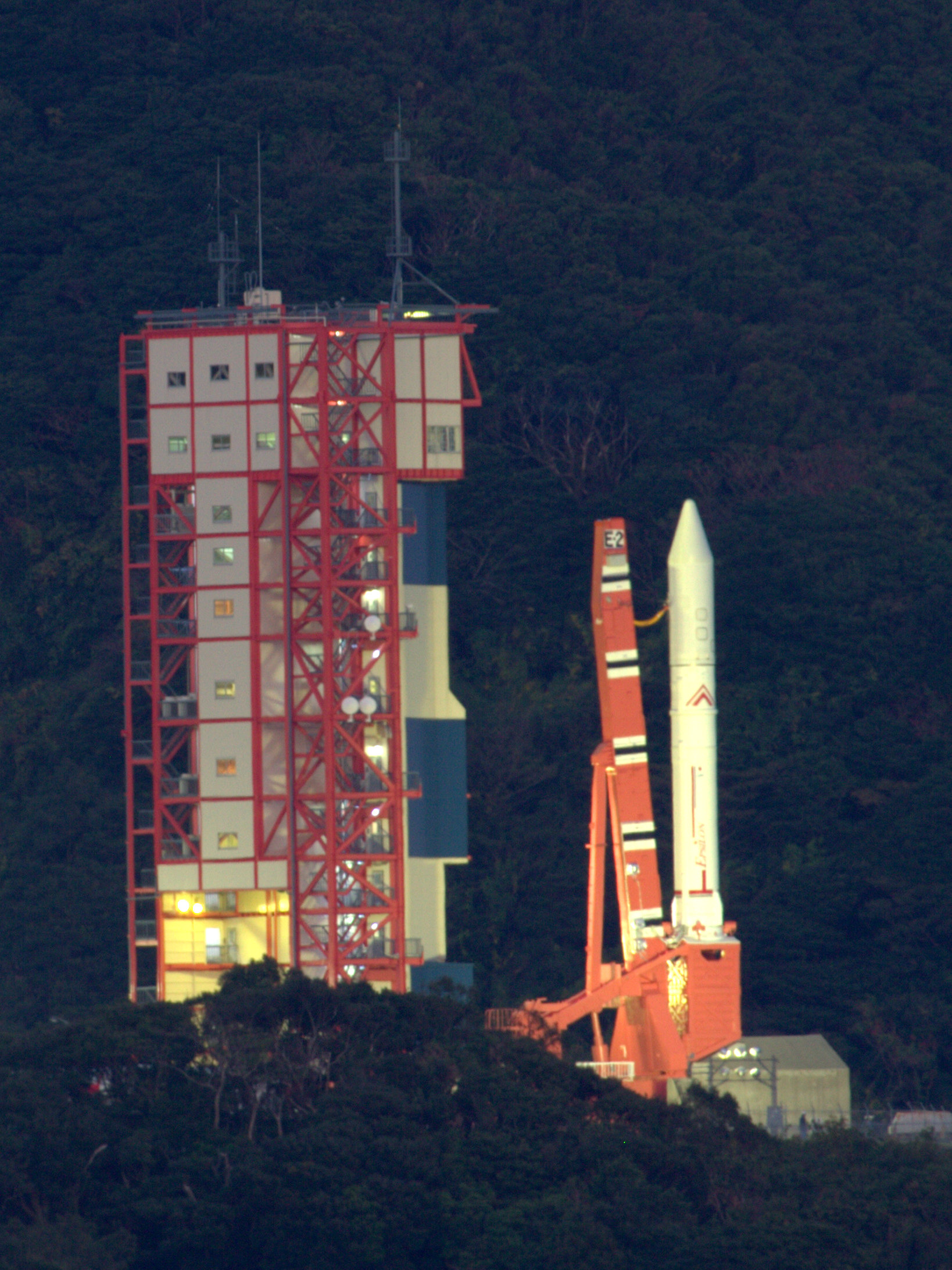
A significant development in Japan’s space program has taken a dramatic turn, as an Epsilon S solid-propellant rocket upper stage, an upgraded version of JAXA’s Epsilon launch vehicle, exploded about a minute after ignition during a test in Akita Prefecture on July 14, 2023. This unexpected setback occurs as the Japan Aerospace Exploration Agency (JAXA) continues to push the boundaries of space exploration and scientific discovery. The Epsilon rocket, a solid-fuel rocket designed to launch scientific satellites, has been a key component of JAXA’s efforts to advance its space program since its development began in 2007.
As a follow-on project to the larger and more expensive M-V rocket, which was retired in 2006, the Epsilon launch vehicle has been engineered to provide a more cost-effective and efficient means of placing payloads into orbit. With a capability to place a 590 kg payload into Sun-synchronous orbit, the Epsilon rocket has garnered significant attention for its potential to support a wide range of scientific missions. The development of the Epsilon S solid-propellant rocket upper stage is a notable upgrade to the original Epsilon launch vehicle, and its successful testing is critical to the future of JAXA’s space exploration endeavors.
The explosion of the Epsilon S upper stage during testing is undoubtedly a setback, but it also presents an opportunity for JAXA to reassess and refine its design. The agency’s commitment to advancing its space program is unwavering, and this incident is likely to serve as a catalyst for innovation and improvement. As JAXA works to determine the cause of the explosion and implement necessary corrections, the agency remains focused on its long-term goals, including the development of more efficient and reliable launch vehicles. The Epsilon rocket’s solid-fuel design, which provides a high level of simplicity and reliability, is expected to continue playing a key role in JAXA’s future launch plans.
Advancing Space Exploration
Despite the challenges posed by the explosion of the Epsilon S upper stage, JAXA’s space program continues to push forward with exciting developments. The agency’s dedication to advancing space exploration and scientific discovery is evident in its ongoing efforts to develop new launch vehicles and technologies. As the space industry continues to evolve, JAXA is well-positioned to remain at the forefront of innovation, leveraging its expertise and experience to drive progress and achieve new milestones. With the Epsilon rocket and its upgraded variants, JAXA is poised to support a wide range of scientific missions, from Earth observation to deep space exploration.
The development of the Epsilon launch vehicle is a testament to JAXA’s ability to design and build highly capable and efficient launch vehicles. As the agency works to refine the Epsilon S solid-propellant rocket upper stage, it is likely that new technologies and innovations will emerge, further enhancing the capabilities of the Epsilon rocket. The use of solid-fuel rockets, such as the Epsilon, provides a number of advantages, including simplicity, reliability, and cost-effectiveness, making them an attractive option for a wide range of launch applications. As JAXA continues to advance its space program, the Epsilon rocket is expected to remain a key component of its launch plans, supporting a wide range of scientific and exploration missions.
Looking to the future, the prospects for JAXA’s space program are exciting and filled with promise. As the agency works to overcome the challenges posed by the explosion of the Epsilon S upper stage, it is clear that the development of the Epsilon launch vehicle and its upgraded variants will continue to play a critical role in advancing Japan’s space exploration capabilities. With its commitment to innovation and progress, JAXA is poised to achieve new milestones and push the boundaries of space exploration, supporting a wide range of scientific and exploration missions in the years to come. The future of space exploration is bright, and JAXA is well-positioned to remain at the forefront of this exciting and rapidly evolving field.