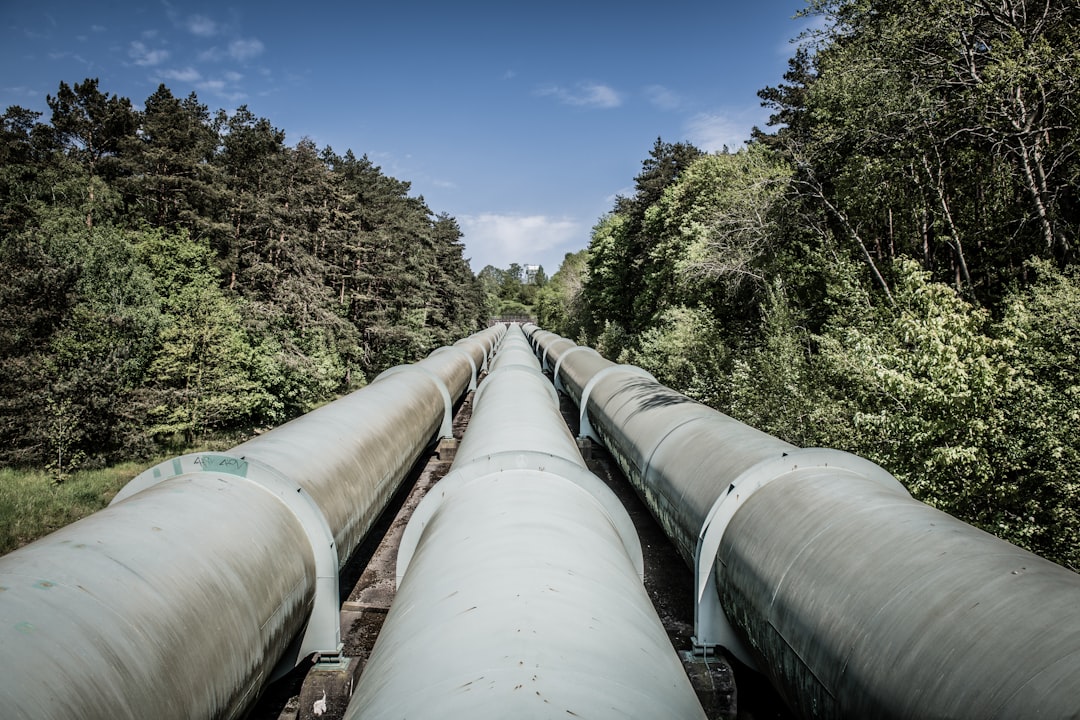
The Baltic nation of Lithuania has done what no other EU member has dared: it cut off Russian gas entirely. On April 2, 2022, the flow stopped. The move was immediate. It was total.
This is not a symbolic gesture. Lithuania relied on Russian natural gas to heat homes and power industry. Severing that link means accepting real economic risk. The government decided the risk of inaction was greater. Russian aggression in Ukraine, combined with what Vilnius calls energy blackmail, left no room for half-measures.
Behind the decision lies a decade of quiet, expensive work. Lithuania built a liquefied natural gas terminal at Klaipėda. It connected to Polish and Latvian pipelines. It invested in interconnectors. These were not popular projects. They were costly. Critics called them unnecessary. Now they are the reason this break is possible without immediate blackouts.
Energy Minister Dainius Kreivys put it bluntly: “We are the first EU country among Gazprom’s supply countries to gain independence from Russian gas supplies. And this is the result of a multi-year coherent energy policy and timely infrastructure decisions.” The infrastructure was built for exactly this moment.
The stakes go beyond Lithuania. The country is small — about 2.8 million people. Its gas consumption is modest by European standards. But the precedent is enormous. If a former Soviet republic with Soviet-era pipelines can walk away from Gazprom, others can too. The question is whether they will.
Germany, Italy, and much of Central Europe remain deeply dependent on Russian gas. They have no Klaipėda terminal. Their pipelines run east to west, not north to south. Lithuania’s move shows that decoupling is possible, but only if you build the alternative first. That takes years. It takes money. It takes political will.
Moscow has long used gas as leverage. Cutoffs in winter. Price hikes. Political conditions attached to contracts. Lithuania knows this game well. It has been squeezed before. The difference now is that the infrastructure exists to say no.
The timing matters. April 2 came just weeks after Russia invaded Ukraine. European capitals were still debating how far to go. Lithuania did not wait for consensus. It acted alone. It dared the EU to follow.
The energy ministry confirmed the cutoff took effect at the beginning of the month. No phase-in. No grace period. The valve closed. Gazprom lost a customer. Lithuania lost a supplier. The balance sheet of the relationship is now zero.
What remains is the question of cost. Russian gas was cheap. The alternatives — LNG from Norway or the United States, pipeline gas from Poland — are not. Lithuanian households will pay more. Industry will face higher input costs. The government has calculated that price is acceptable. Freedom has a meter, and it is running.
The broader European energy market is watching. If Lithuania survives this winter without crisis, the argument for full decoupling gains force. If it struggles, the skeptics will point to failure. Either way, the experiment is underway. The pipes are dry. The terminal is running. The Soviet-era dependency is over.