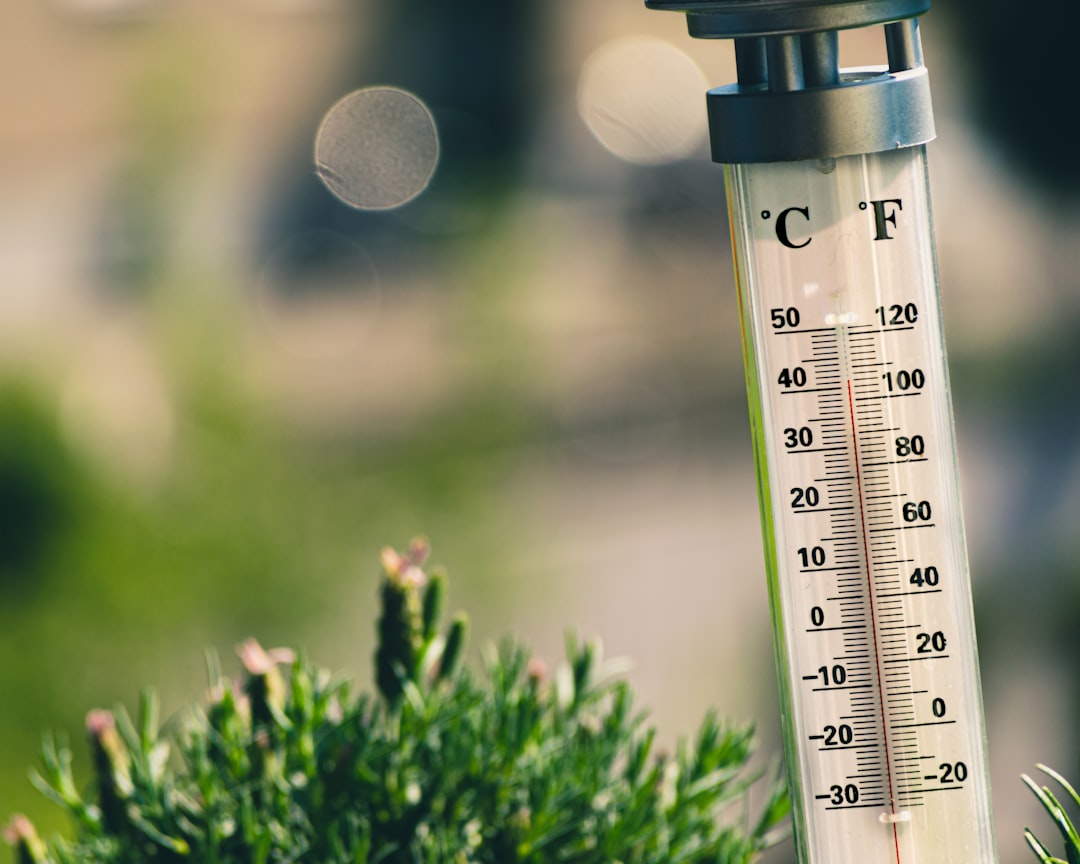
Two plastic balikbayan boxes, the kind overseas workers send home full of goods, held the evidence in Manila’s first pandemic profiteering arrest. Inside were 100 infrared thermometers, priced for sale at P4,700 each. Police valued the haul at P235,000. The legal retail ceiling set by the Department of Trade and Industry was P1,500 per unit. That is a 213 percent premium.
The arrest of Jackson Chua, 38, on Sunday afternoon in Ermita was not a random street stop. Criminal Investigation and Detection Group officers posed as bulk buyers inside a budget hotel on Kalaw Avenue. They flashed a search warrant only after Chua handed over the goods. Marked bills were recovered from his sling bag. He did not resist, CIDG national capital region chief Lt-Col. Arnel Aquino said. But Chua insisted the price was “market-driven.”
That phrase matters. It exposes the tension at the heart of the Philippines’ anti-profiteering drive, launched on 29 March 2020 as coronavirus cases spiked. Chua is a textiles importer by registration. He had no licence to deal in medical devices. Investigators traced his stock to a warehouse in Tondo where repacking happened at night. That warehouse was sealed on Monday. The operation began after hospitals complained thermometers were disappearing from pharmacy shelves while online sellers demanded up to P6,000.
The law is clear on paper. Republic Act 7581, as amended by RA 10623, fixes a maximum 10 percent mark-up on essential goods during national emergencies. Chua’s asking price blew past that. He now faces charges under the Price Act, the Consumer Act of the Philippines, and the Mandatory Reporting of Notifiable Diseases Law for disrupting the health supply chain. Each violation carries prison terms of five to fifteen years and fines up to P2 million.
But the arrest raises a harder question: how many more Jackson Chuas are out there? The price cap on infrared thermometers was set at P1,500. Online sellers were asking P6,000. That gap did not appear overnight. It grew as demand surged and supply chains tightened. Hospitals could not find stock on pharmacy shelves. Someone was buying it first. Chua’s Tondo warehouse operation suggests a system, not a lone hustler. Nighttime repacking. A textiles import permit used to move medical gear. Bulk sales to undercover officers who posed as buyers in a budget hotel.
The anti-profiteering drive is barely a week old. One arrest does not equal a broken ring. Justice Under-Secretary Emmel, unnamed in the initial report beyond his title, will oversee the prosecution. The case tests whether the legal framework can move fast enough to matter during a pandemic. Courts are slow. Supply chains are not. By the time Chua’s case goes to trial, the thermometers seized as evidence will be months past their peak demand. That is the nature of emergency price controls: they work only when enforcement is faster than the profiteering.
Police called the P4,700 price “market-driven” in Chua’s own words. He was not wrong in a narrow sense. A market where hospitals cannot find thermometers and online sellers ask P6,000 does drive prices up. The law exists to override that drive during a national emergency. The CIDG operation in Ermita showed the mechanics of enforcement: entrapment, marked bills, a sealed warehouse. What it did not show is whether the supply chain behind Chua has been broken or merely pushed deeper underground.
The two balikbayan boxes are now evidence in a criminal case. They are also a snapshot of a specific moment in March 2020, when a textile importer decided that P1,500 was not enough and P4,700 was just right. The courts will decide the penalty. The market will decide whether the next profiteer simply raises the asking price to cover the risk.