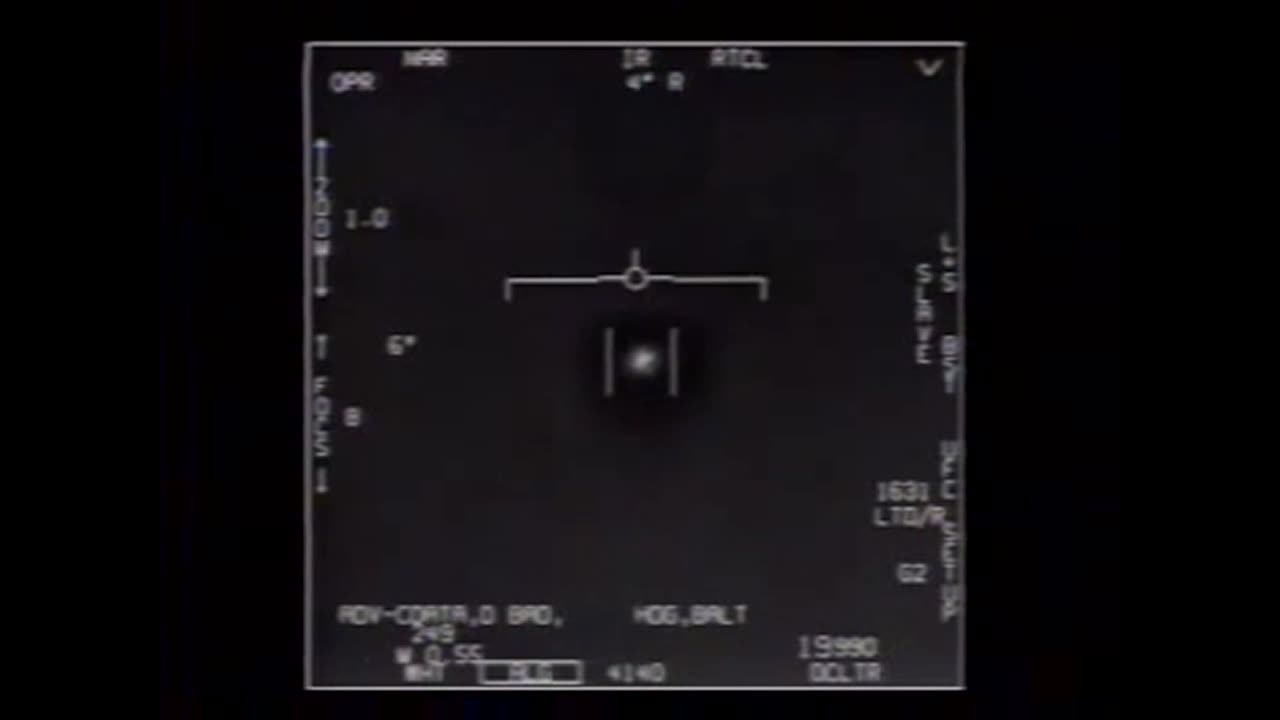
NASA has released the highly anticipated report of its independent UAP study team, marking a significant step forward in the US government’s efforts to promote transparency and understanding of Unidentified Aerial Phenomena. The report, made public on September 14, 2023, presents the findings of the team, which was tasked with examining the available data on UAP and providing recommendations for future research.
The study team’s report emphasizes the need for better, standardized data collection on UAP, highlighting the limitations of current datasets and the challenges of analyzing disparate and often incomplete information. By calling for improved data collection methods, the team aims to lay the groundwork for more rigorous and systematic research into UAP, which will help to shed light on the nature and origins of these phenomena. This development is likely to be welcomed by those who have been pushing for greater transparency and accountability in the way UAP are reported and investigated.
As part of its efforts to enhance research into UAP, NASA has announced the appointment of a new director of UAP research, a move that underscores the agency’s commitment to exploring this complex and multifaceted topic. The new director will play a key role in overseeing and coordinating UAP research, working closely with other government agencies, academia, and industry stakeholders to advance our understanding of UAP and their implications for national security, aviation safety, and scientific discovery.
The report’s finding that there is no evidence to suggest that UAP are extraterrestrial in origin is likely to be of particular interest to the public and the media, as it addresses a question that has long been at the center of speculation and debate. While this conclusion may disappoint some who have been hoping for evidence of extraterrestrial life, it is a sober and evidence-based assessment that reflects the team’s careful and meticulous analysis of the available data. By focusing on the empirical evidence and avoiding speculation or sensationalism, the report helps to promote a more nuanced and informed discussion of UAP and their significance.
Government Transparency and Oversight
The release of NASA’s UAP report is a significant milestone in the US government’s efforts to promote transparency and oversight of UAP research and reporting. By making this information publicly available, the government is demonstrating its commitment to openness and accountability, and helping to build trust with the public and other stakeholders. As the US government continues to grapple with the complex challenges posed by UAP, this kind of transparency and oversight will be essential for ensuring that research is conducted in a rigorous and responsible manner, and that the public is kept informed of any developments or breakthroughs.
As we look to the future, it will be important to watch how the US government and other stakeholders respond to the recommendations and findings outlined in NASA’s UAP report. Will the proposed improvements to data collection and research coordination be implemented, and if so, what impact will they have on our understanding of UAP? How will the new director of UAP research shape the direction of NASA’s UAP program, and what new initiatives or partnerships might emerge as a result of this leadership change? As the situation continues to evolve, one thing is clear: the US government’s commitment to transparency, oversight, and rigorous research will be essential for advancing our understanding of UAP and addressing the complex challenges they pose.