BARDUFOSS, Norway — The old rules are dead. That is the message from NATO commanders as they pack up from two weeks of Arctic war games that ended March 23. Russia’s invasion of Ukraine has ripped up the playbook Western intelligence built over eight years.
Before February 24, analysts mapped Vladimir Putin’s moves against patterns set in Crimea 2014 and Syria 2015. Limited incursions. Quick diplomatic exits. A dictator who knew where the lines were. Those models are now useless, according to officers involved in the “Cold Response” exercise.
Putin launched a full-scale invasion. He ordered nationwide mobilisation. He besieged cities. He put nuclear forces on high alert. He exposed the rouble to sanctions that cratered its value. None of this fit the old script.
“You can’t predict what a dictator might do,” U.S. Marine Corps Commandant Gen. David Berger told reporters at the snow-covered Bardufoss airbase.
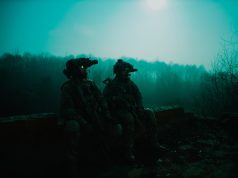
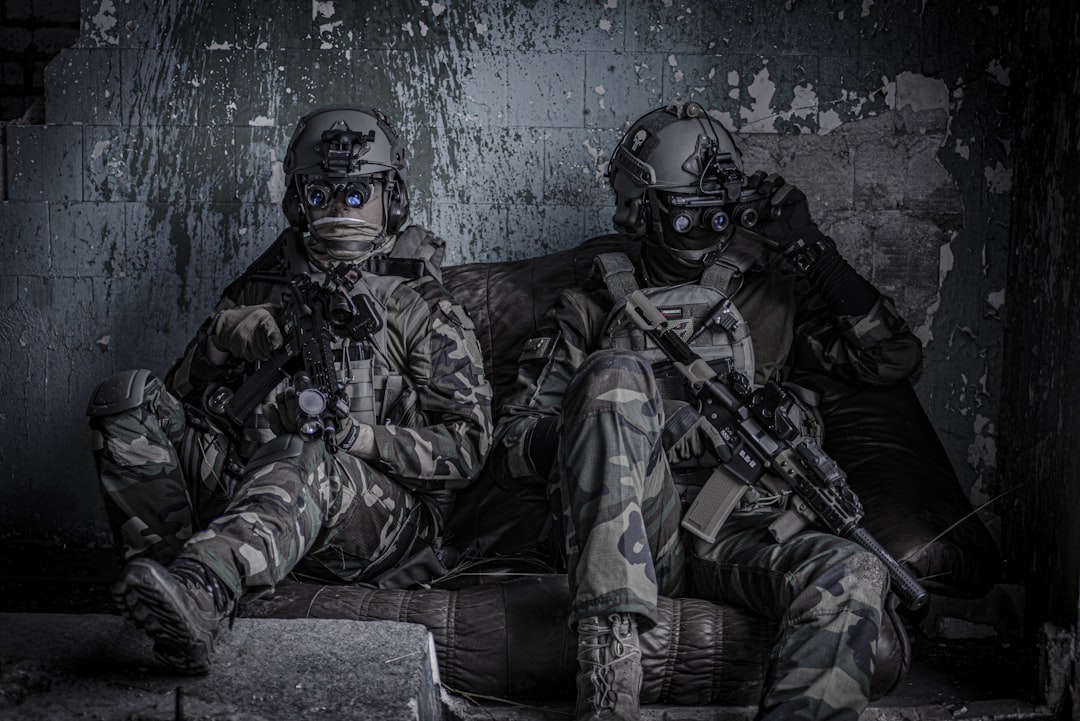
The alliance trained 30,000 troops from 27 nations here, including 3,000 U.S. Marines. They rehearsed amphibious landings, air-defence drills and cold-weather logistics less than 300 kilometres from Russia’s northern border. The biennial exercise scenario has stayed the same for years: an unnamed aggressor attacks Norway, triggering NATO’s Article 5 collective-defence clause. This March, the fiction felt real.
The consequences ripple beyond the Arctic. Planners inside the alliance now must game out scenarios they once dismissed as too remote. Tactical nuclear use in Europe. Cyber attacks on undersea cables that carry 95 percent of global data traffic. A Russian president willing to gamble on outcomes that would have been unthinkable six months ago.
“We have a clear understanding of what their capabilities are. We’ve studied their doctrine for a long time,” Berger said. “Their decision-making on the part of the president, that’s another factor.”
The shift forces NATO to rethink how it trains, how it deploys, how it deters. Cold Response was always a scripted drill. Now it is a rehearsal for a war that could start with a miscalculation in Moscow.
Norway shares a 196-kilometre border with Russia in the Arctic. The region is warming faster than the rest of the planet, opening new shipping lanes and exposing undersea infrastructure to sabotage. Russia has built up its Northern Fleet, tested hypersonic missiles and conducted its own exercises near NATO territory.
Western intelligence officers once believed they could read Putin’s intentions. They watched him seize Crimea with little bloodshed, then pull back from full escalation in eastern Ukraine. They watched him intervene in Syria with limited objectives and a clear exit strategy. They concluded he was risk-averse when the stakes got high.
That analysis collapsed on February 24.
Now the alliance prepares for the unpredictable. Berger said NATO must train for an adversary “ready to take greater risks.” That means exercises that test responses to nuclear threats, to attacks on critical infrastructure, to hybrid warfare that blurs the line between peace and conflict.
The Arctic is the front line. The Cold Response exercise put 30,000 troops through their paces in conditions that can kill even without enemy fire. Frostbite, whiteouts, frozen equipment — these are the daily realities of Arctic warfare. The Marines practiced moving heavy gear across snow, coordinating air support in low visibility, maintaining supply chains across frozen terrain.
Every drill now carries a new weight. The unnamed aggressor in the scenario has a real-world counterpart. The Article 5 trigger is no longer theoretical. Europe’s largest land war since 1945 is happening now, and the Arctic is the back door.
What comes next depends on Moscow. NATO planners are watching for signs of further escalation, for Russian exercises near the Norwegian border, for cyber probes against undersea cables. The old certainties are gone. The new reality is a dictator whose calculus no one can predict.