Pakistan’s 2022 flood disaster did not arrive without warning. The country had already endured a brutal spring heat wave, with temperatures in some areas exceeding 50 degrees Celsius. That heat wave, scientists say, accelerated the melting of Himalayan glaciers. Then came the monsoon. It was not a normal monsoon. From mid-June onward, the rains fell with an intensity and duration that Pakistan had not seen in decades. The two forces—glacial melt and extreme rainfall—converged. The result was a flood that, as of the latest figures, has killed 1,739 people and caused an estimated US$40 billion in damage.
That $40 billion figure is worth pausing on. It places the 2022 Pakistan floods among the costliest natural disasters ever recorded anywhere in the world. For a country that was already grappling with economic instability, the scale of the financial blow is hard to overstate. Entire agricultural regions were submerged. Crops were destroyed. Infrastructure—roads, bridges, power lines—collapsed. The recovery, officials acknowledge, will take years, not months.
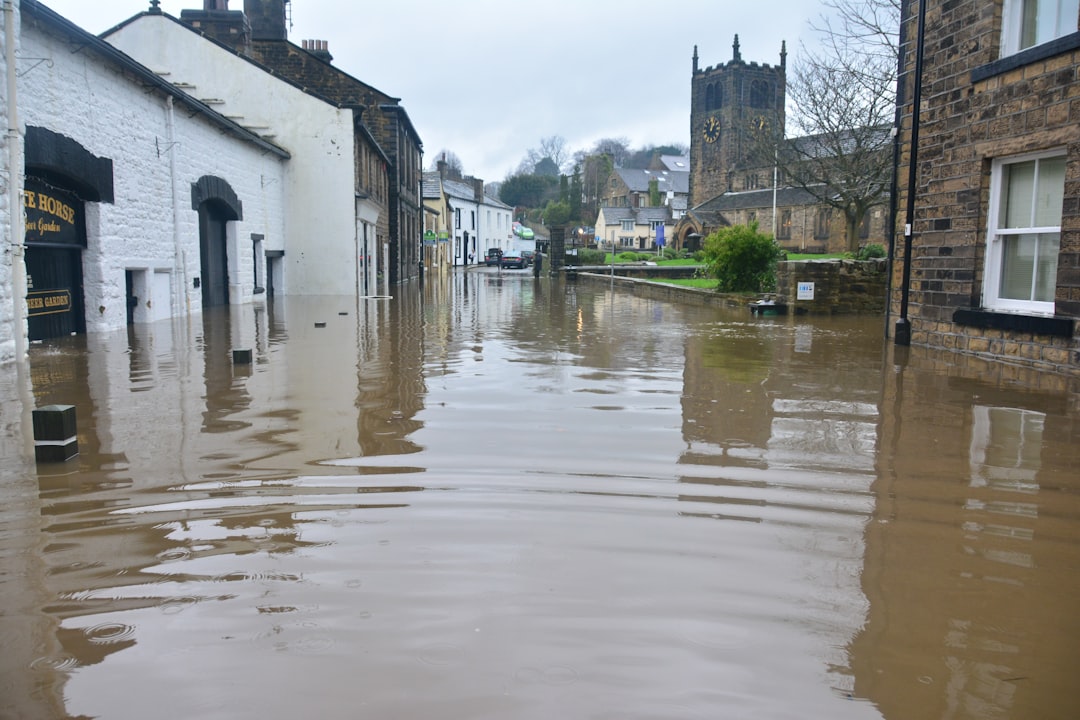
Pakistan declared a state of emergency on August 25, 2022. That declaration was not a formality. It signaled that the country’s own resources were overwhelmed and that international assistance was urgently needed. The emergency designation allowed the government to mobilize military units, redirect funds, and coordinate evacuations. But even with those measures, the sheer geography of the disaster made response difficult. Floodwaters covered roughly one-third of the country at the peak of the crisis. Millions of people were displaced.
The immediate causes of the flooding are clear. Heavier-than-usual monsoon rains caused rivers to overflow their banks. At the same time, the earlier heat wave had melted glaciers at an abnormal rate, sending additional water into already swollen waterways. Both of these factors, climate scientists have concluded, are linked to climate change. Warmer air holds more moisture, which fuels heavier rainfall. Warmer temperatures also accelerate glacial melt. Pakistan, despite contributing only a tiny fraction of global greenhouse gas emissions, found itself on the front line of both consequences.
This flood is now the deadliest since the 2020 South Asian floods. It is also being described as the worst in Pakistan’s history. That is not hyperbole. Previous major floods in the country, such as the 2010 disaster, killed roughly 2,000 people and caused about $10 billion in damage. The 2022 event has already exceeded that economic toll by a factor of four. The human toll, while lower than 2010 in terms of lives lost, is still catastrophic. Entire villages were washed away. Families lost everything.
The state of emergency remains a central part of the government’s response. It has enabled the deployment of emergency services to the hardest-hit provinces, including Sindh and Balochistan. Relief camps have been set up. Food, clean water, and medical supplies are being distributed. But the scale of need continues to outpace the aid arriving. International organizations and foreign governments have pledged support, but the gap between pledges and delivered assistance has been a recurring problem.
What makes the 2022 Pakistan floods different from previous disasters is the combination of causes. It is not just a monsoon flood. It is not just a glacial lake outburst. It is both, happening at the same time, in the same place, because of the same underlying driver: a warming planet. That convergence is what made the disaster so vast and so destructive. And it is a pattern that scientists say will repeat, in different forms, in different parts of the world, as climate change continues to intensify extreme weather events.
For now, Pakistan is left to count the cost. The $40 billion in damage is a number that will shape the country’s budget, its infrastructure planning, and its foreign policy for years. The 1,739 dead are a number that will shape its memory. The state of emergency is a number—a legal one—that reflects the severity of the moment. All three numbers tell the same story: a disaster that was not natural in the way that word used to mean.