View original document (6.7 MB)
A newly declassified U.S. Department of War mission report describes a U.S. military operator observing an Unidentified Aerial Phenomenon (UAP) over Syria in July 2022, according to records released under the Pentagon’s PURSUE archive.
Document Details a Single UAP Sighting During a Surveillance Mission
The document, titled “DOW-UAP-D16, Mission Report, Syria, July 2022,” is a standardized Military Mission Report (MISREP) released by the Department of War on May 8, 2026. It was declassified on October 8, 2025, by Major General Richard A. Harrison, USCENTCOM Chief of Staff. According to the official description accompanying the release, the report was submitted to the All-domain Anomaly Resolution Office (AARO), the Pentagon office tasked with investigating such incidents.
The report details a mission conducted by the 89th Attack Squadron (ATKS), part of the 432nd Air Expeditionary Wing, operating under Operation INHERENT RESOLVE. The mission, which lasted 20.9 hours, involved an aircraft with the callsign “1.4a” conducting intelligence, surveillance, and reconnaissance (ISR) tasks. The operator, whose rank is listed as “SrA” (Senior Airman) in the approver section, reported the incident.
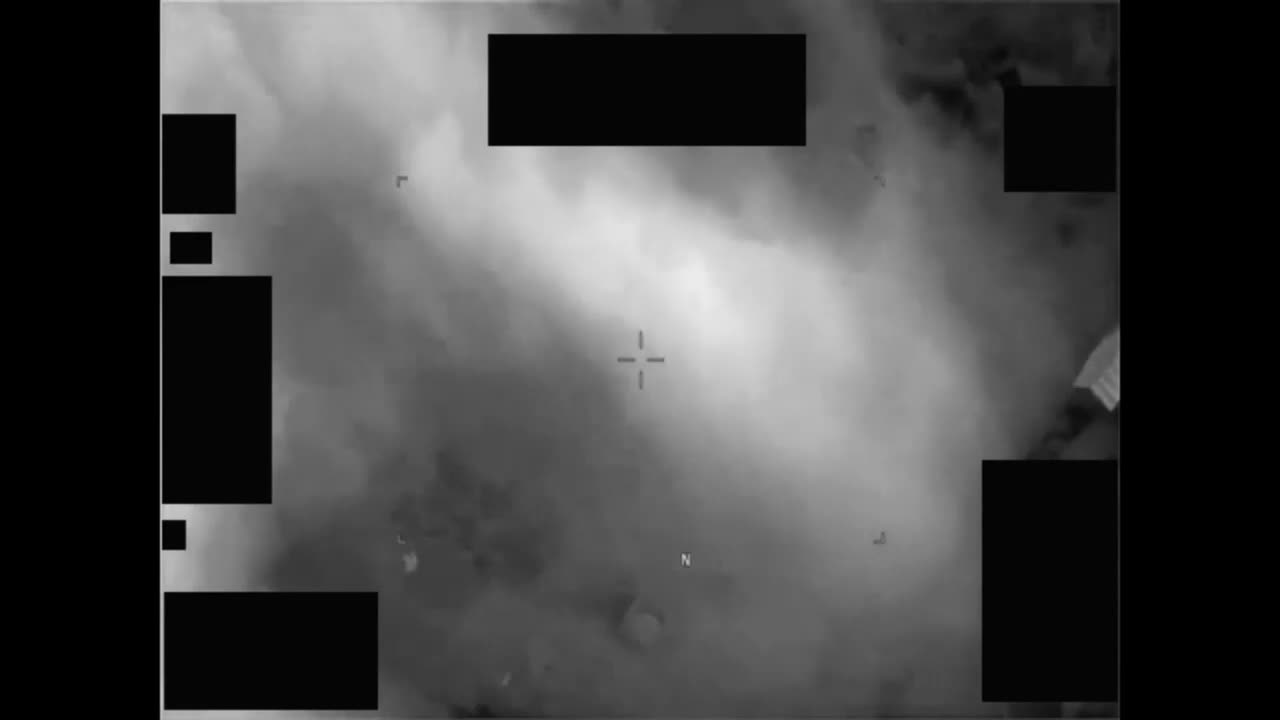
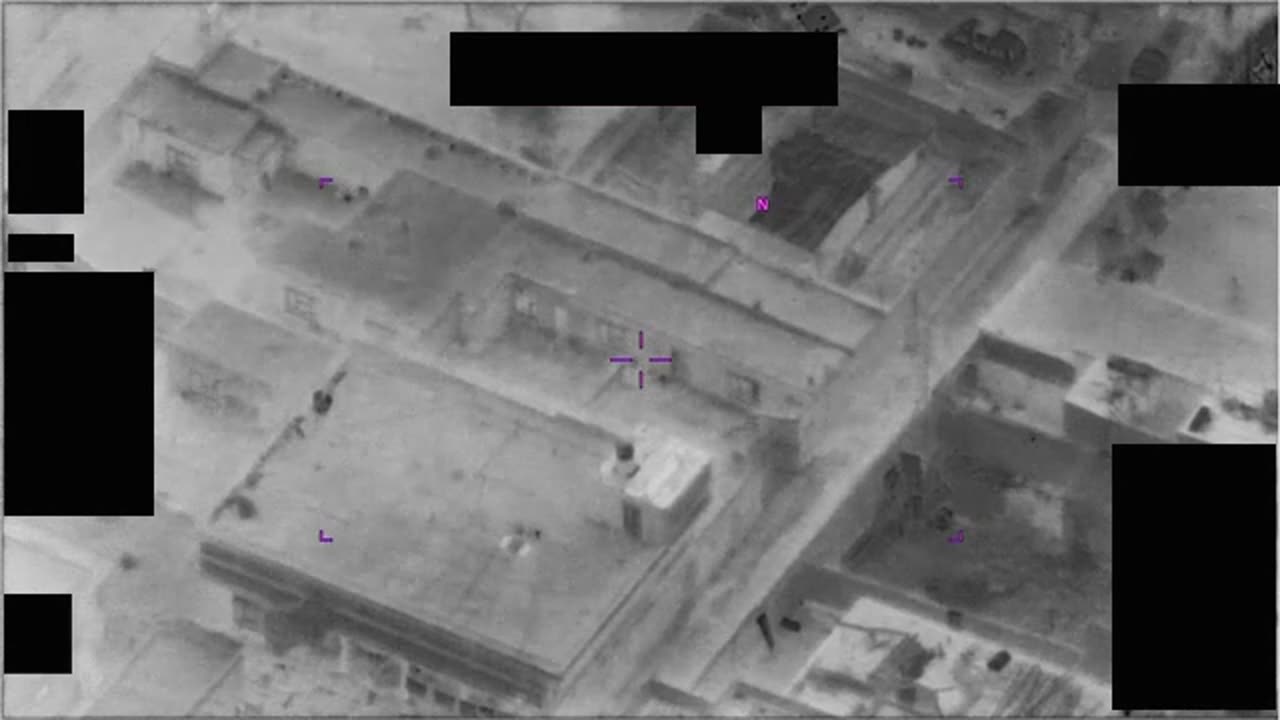
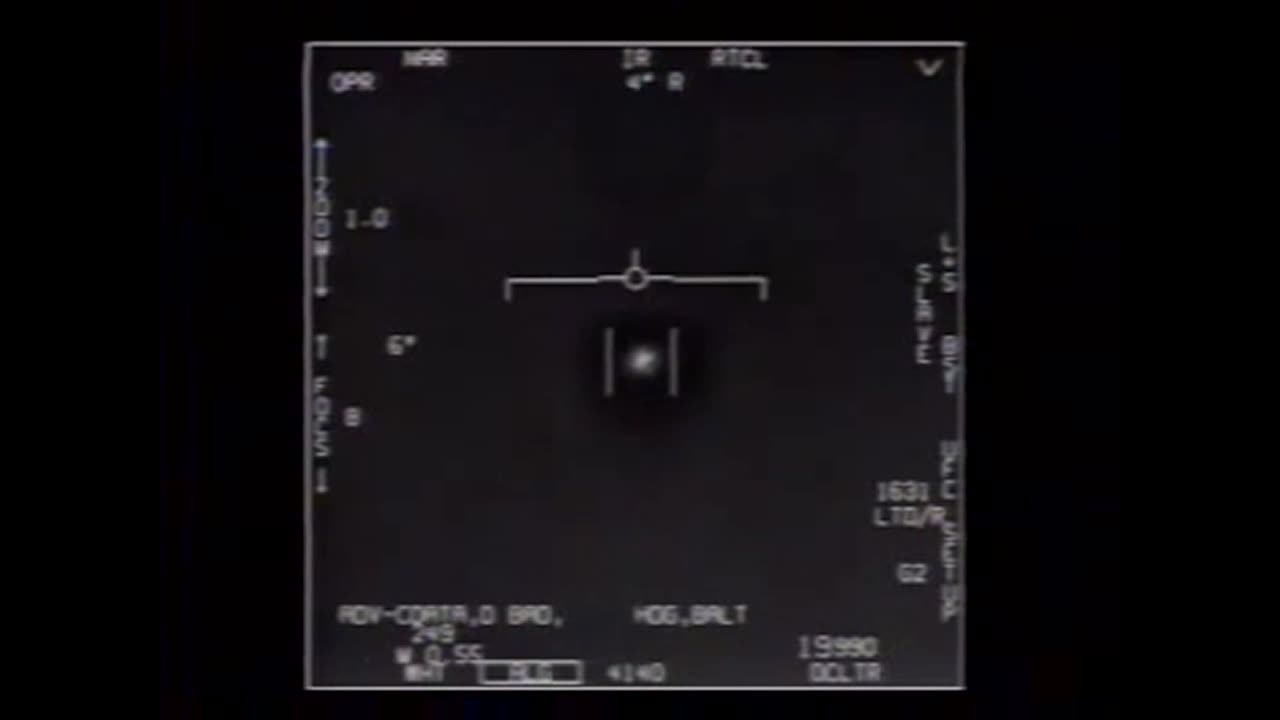
According to the mission’s narrative timeline, the operator “observed an unidentified aerial phenomenon” at 02:39Z on July 31, 2022. The official description of the document states that the operator reported observing “one UAP move from north to south, with a total duration of under one minute.” The document’s general text section, labeled “Gentext,” provides a timeline of the mission but does not include a specific narrative description of the UAP’s appearance or behavior beyond the timeline entry. The report notes that “full motion video was exploited by DGSI,” indicating that video footage of the event was analyzed by a Distributed Ground Station-Intelligence unit.
The record’s official summary offers limited detail beyond the operator’s subjective report. The Department of War explicitly notes in its release that “all descriptive and estimative language contained in this report reflects the reporter’s subjective interpretation at the time of the event.” It further cautions that “such characterizations should not be interpreted as a conclusive indication of the presence or absence of any intrinsic object features or performance characteristics.”
Agency Context and the Role of AARO
The report was submitted to AARO, which, according to a Wikipedia entry on the office, is “an office within the United States Office of the Secretary of Defense that investigates unidentified flying objects (UFOs) and other phenomena in the air, sea, and/or space and/or on land.” Wikipedia’s entry further notes that AARO’s first director was physicist Sean Kirkpatrick, and its current director is Jon T. Kosloski. The existence of this report within the PURSUE archive underscores the military’s formal process for documenting UAP encounters during active operations.
The mission itself involved multiple tasks. The aircraft departed Muwaffaq Salti Air Base (OJMS) at 18:22Z on July 30, 2022. It began signals intelligence (SIGINT) collection at 19:25Z and arrived on station to perform imagery intelligence (IMINT) at 20:28Z. The UAP was observed at approximately 02:39Z on July 31. The aircraft returned to base at 13:43Z that same day, with the mission officially ending after landing at 15:19Z.
The document is heavily redacted, with personal identifying information of the aircrew removed under Freedom of Information Act exemptions. The specific type of aircraft used, listed as “1.4a, 1.4g” in the asset type field, is also redacted. The mission was classified as an “ARMED RECCE” (armed reconnaissance) mission.
What Remains Unanswered
The declassified report provides a concrete, time-stamped record of a UAP sighting by a U.S. military operator, but it leaves many questions unanswered. The document does not specify the size, shape, color, or speed of the object, nor does it detail the operator’s specific reaction or any attempts to identify the phenomenon. The official description notes the object moved from north to south in under a minute, but the report itself contains no analysis of its potential origin or capabilities.
Readers should watch for future PURSUE releases, which may include additional documentation from this mission, such as the exploited full-motion video or other sensor data. The release of this report as part of a broader archive suggests that the Department of War continues to systematically declassify UAP-related records, potentially offering more clarity on the nature of these encounters in future disclosures.