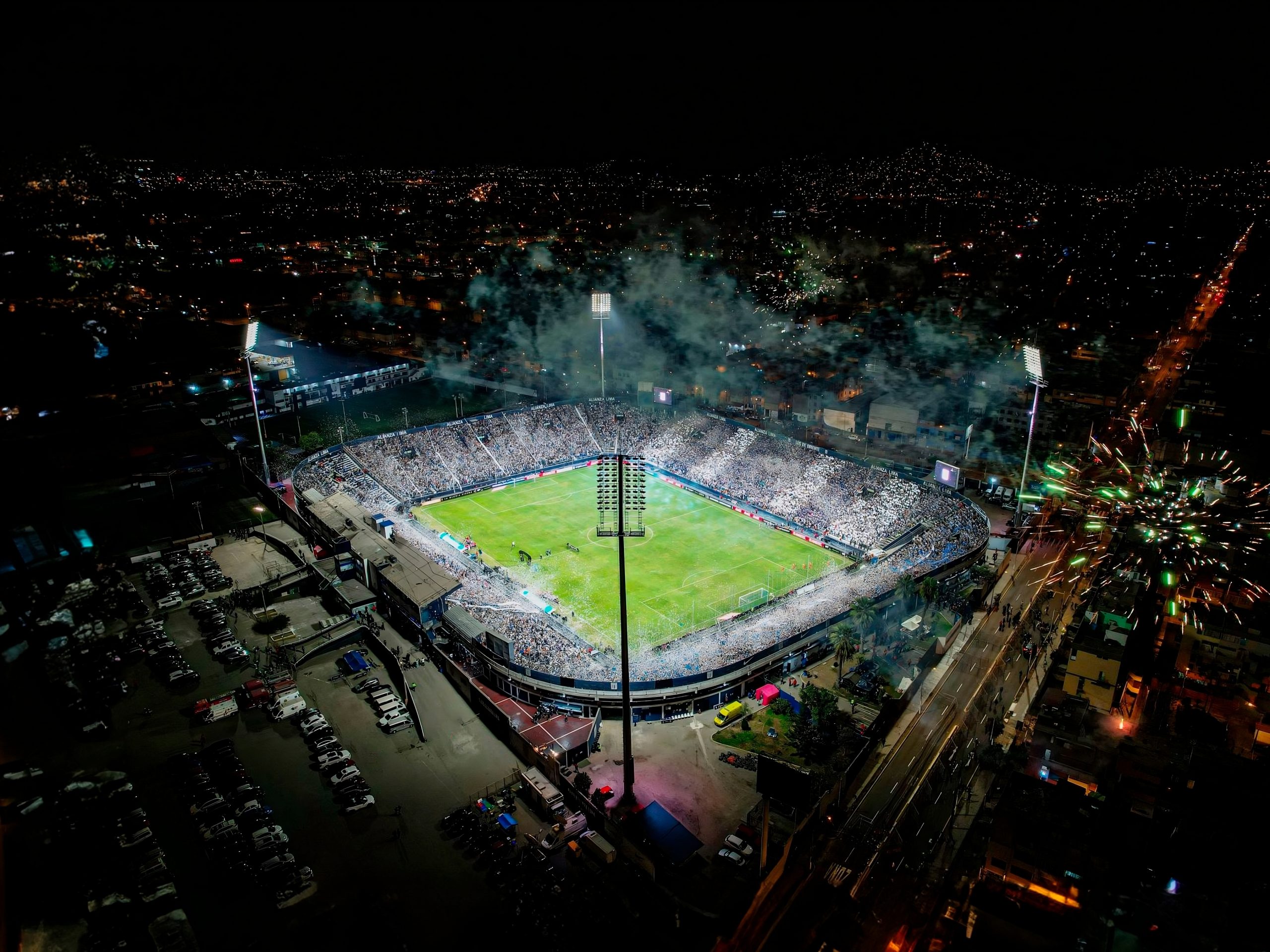
A tragic incident occurred at the Alejandro Villanueva Stadium in Lima, Peru, on April 3, 2026, when a wall collapse resulted in the death of one person and injured at least 47 others. The stadium, owned by Club Alianza Lima, is a prominent venue for football matches, including the Peruvian Primera División and international tournaments like the Copa Libertadores and Copa Sudamericana. With a capacity of 33,938, the stadium is known for its intense atmosphere during home games, earning it the nickname “La Caldera,” or “the Boiler.”
The Estadio Alejandro Villanueva, also known as Matute, has a rich history, having been registered as an alternate venue for the Peru national football team during the 2018 FIFA World Cup. The stadium’s namesake, Alejandro Villanueva, is one of Alianza Lima’s greatest players, and the venue continues to be a source of pride for the team and its fans. However, the recent wall collapse has raised concerns about the safety and maintenance of the stadium. As authorities investigate the cause of the incident, fans and players alike are left to wonder how such a tragedy could have occurred at a venue that is supposed to be a place of excitement and entertainment.
The incident has also highlighted the need for increased safety measures and regular maintenance at sports stadiums. The Alejandro Villanueva Stadium, like many other venues, is a complex structure that requires regular inspections and upkeep to ensure the safety of spectators. While the cause of the wall collapse is still unknown, it is clear that the stadium’s management and local authorities must take steps to prevent such incidents in the future. This includes conducting thorough inspections of the stadium’s infrastructure and implementing safety protocols to protect fans and players.
As the people of Lima and the football community come to terms with the tragedy, there is a growing sense of unease about the potential risks associated with large sports venues. The Alejandro Villanueva Stadium is not just a place of entertainment, but also a hub of community activity, and its safety is of paramount importance. In the aftermath of the incident, local authorities have announced plans to conduct a thorough investigation into the cause of the wall collapse and to review the stadium’s safety procedures. This is a welcome step, and it is hoped that the investigation will provide valuable insights into how such incidents can be prevented in the future.
In addition to the human cost of the tragedy, the incident has also raised concerns about the environmental impact of large sports venues. The construction and maintenance of stadiums like the Alejandro Villanueva require significant resources and can have a substantial environmental footprint. As the world moves towards a more sustainable future, it is essential that sports venues are designed and managed with environmental considerations in mind. This includes using renewable energy sources, reducing waste, and implementing sustainable practices throughout the stadium’s operations. By prioritizing environmental sustainability, sports venues can minimize their impact on the planet while also providing a safe and enjoyable experience for fans.
As the football community in Peru and beyond comes to terms with the tragedy at the Alejandro Villanueva Stadium, there is a growing sense of determination to ensure that such incidents are prevented in the future. The stadium’s management, local authorities, and fans must work together to create a safe and sustainable sports venue that prioritizes the well-being of both people and the planet. By learning from this tragedy and taking concrete steps to improve safety and sustainability, the Alejandro Villanueva Stadium can once again become a place of excitement and entertainment, where fans can come together to enjoy the beautiful game without worrying about their safety or the environmental impact of the venue. The road to recovery will be long and challenging, but with a commitment to safety, sustainability, and environmental responsibility, the stadium can emerge from this tragedy stronger and more resilient than ever.