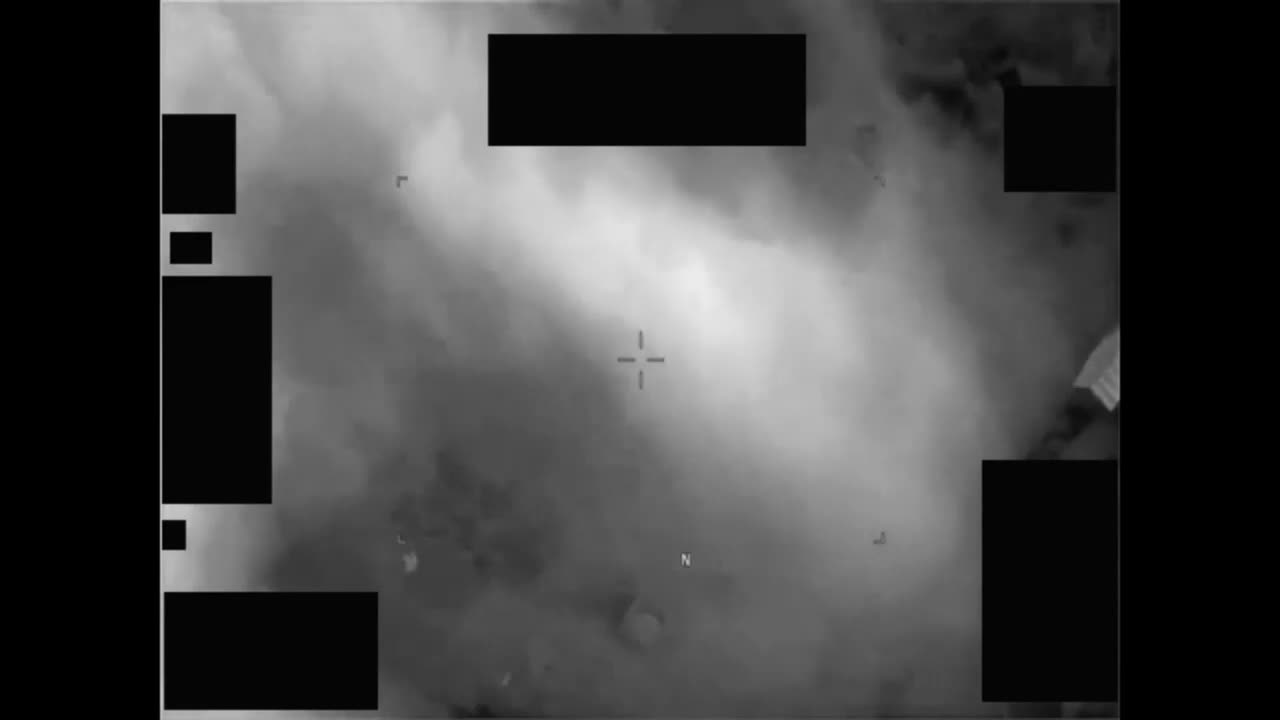
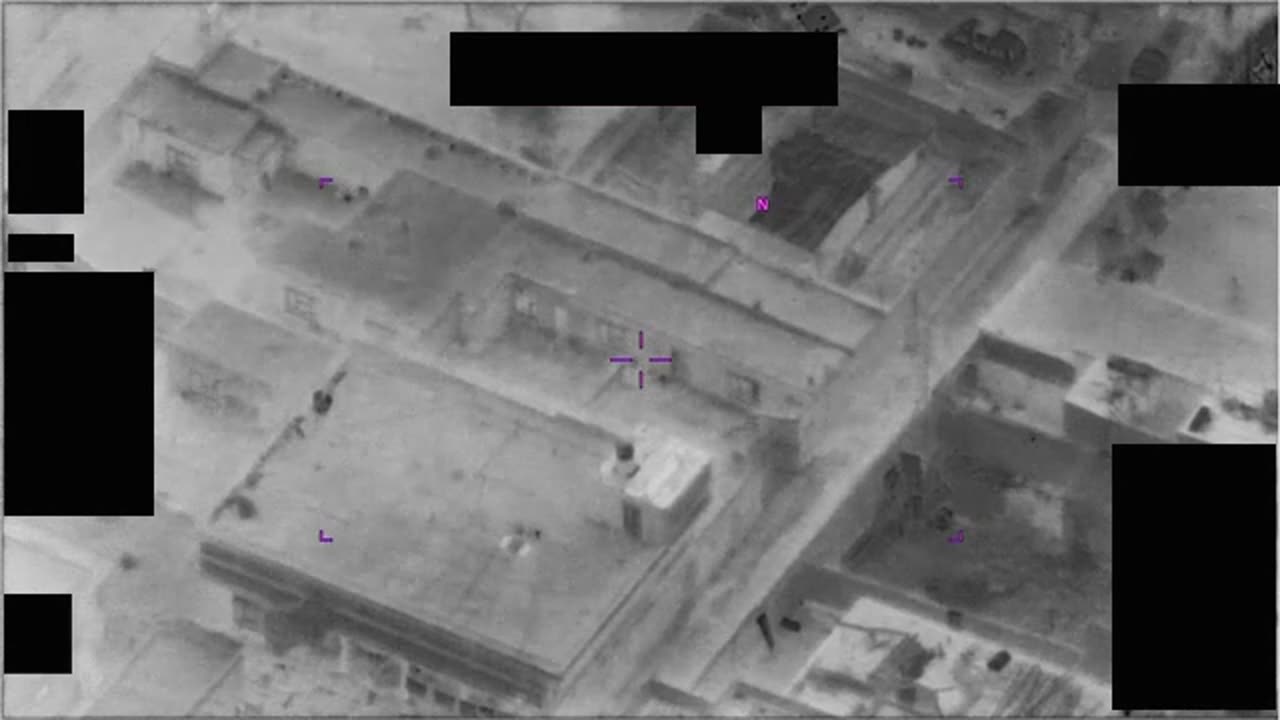
The decision to pull Filipino workers out of Iraq did not happen in a vacuum. It was the culmination of a rapid escalation that began with a single drone strike on January 3, 2020. On that day, a U.S. drone killed Iranian General Qasem Soleimani in Baghdad. Five days later, Iran retaliated, launching missile attacks against U.S. bases inside Iraq. By January 8, the Philippine government had already signed a resolution to halt all new worker deployments. The total ban was made public on January 14.
The timeline is tight. The Department of Foreign Affairs raised Iraq’s alert level to 4, the highest possible, on the same day the ban was announced. That level signals a serious threat to life and security. It triggers mandatory repatriation. For the estimated 4,000 Filipinos in Iraq, including 2,191 workers, the order was clear: come home.
Labor Secretary Silvestre Bello III signed the resolution on January 8. The POEA Governing Board issued the directive on January 14. The ban covers all overseas Filipino workers. It blocks crew changes and shore leaves for Filipino seafarers. It is a complete halt. Nothing new is going through.
“We cannot risk the lives of our workers,” Bello said on January 14. “The situation in Iraq remains volatile, and our priority is the safety of every Filipino.”
The ban is not a surprise. The Philippine government has a history of acting fast when tensions spike in the Middle East. Iraq has been a dangerous post for foreign workers for years. The U.S.-Iran confrontation made it worse. The killing of Soleimani was a major escalation. The missile strikes that followed were a direct response. The Philippine government read the situation and decided it could not wait.
The practical problem now is repatriation. Getting 4,000 people out of a country in the middle of a security crisis is not simple. The Department of Foreign Affairs ordered the mandatory repatriation. But logistics are a challenge. Iraq is not a small country. Filipinos are spread across it. Some work in construction. Some in service jobs. Some are in Baghdad. Some are in the south. The government has to coordinate flights, secure routes, and handle paperwork while the threat level is at its peak.
The ban itself stops new workers from going in. That is the easy part. The hard part is getting those already there out. The government has not released a detailed timeline for the repatriation. It has not said how many have already left. What is known is that the order is mandatory. No one is being left behind by choice.
This is not the first time the Philippines has imposed a total deployment ban on a Middle Eastern country. The pattern is familiar. When security deteriorates, the government pulls the lever. Workers are told to come home. New deployments stop. The goal is the same every time: keep Filipinos out of harm’s way.
The difference this time is the speed. From the missile strikes on January 8 to the formal ban on January 14, the government moved in less than a week. The POEA resolution was signed the same day Iran attacked. The public announcement came six days later. That is fast for a bureaucracy that normally moves slowly.
The Philippine Overseas Employment Administration, chaired by Bello, handled the paperwork. The Department of Foreign Affairs handled the alert level and the repatriation order. Both agencies worked in parallel. The result was a total ban, a Level 4 alert, and a mandatory return order, all announced on the same day.
For the workers in Iraq, the message is simple: it is time to leave. For those who were planning to go, the door is shut. The government has made its choice. It is betting that the risks in Iraq are too high to ignore.