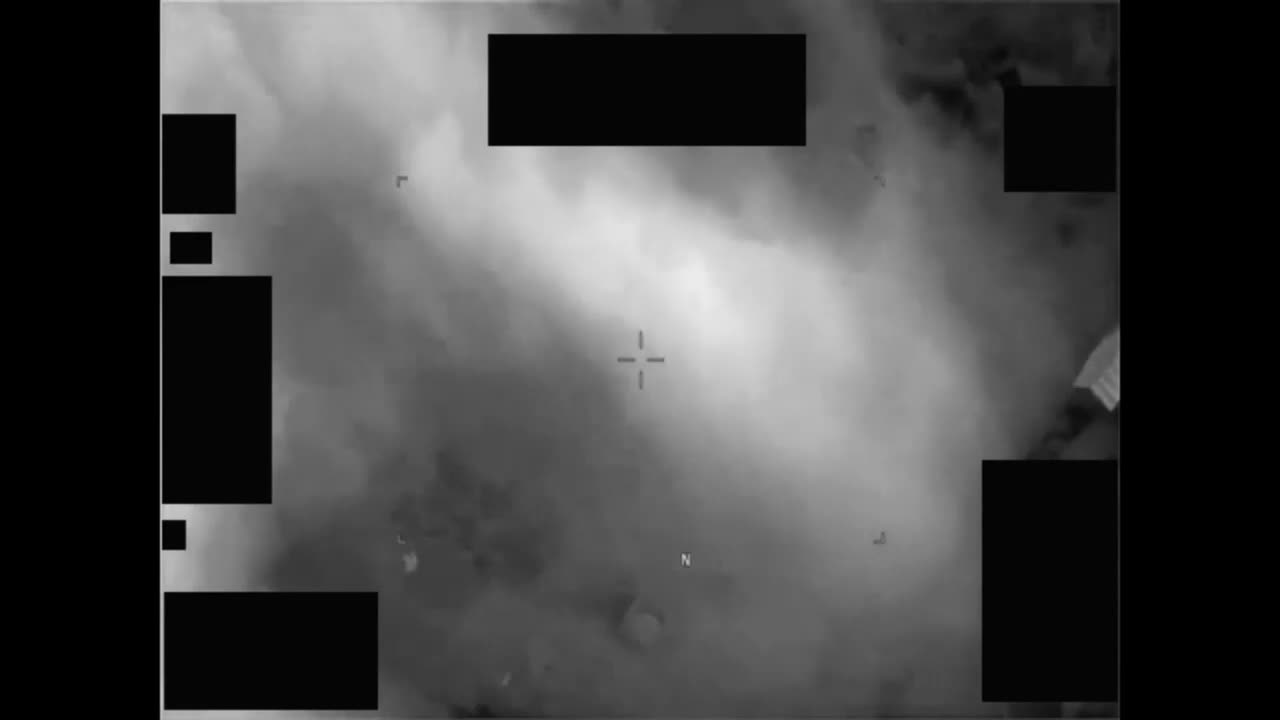
The single-engine air tanker hit the water in the middle of a shift. Hauser Lake, July 10, 2024. The pilot was fighting the Horse Gulch fire. He did not survive.
Aerial firefighting is not a job that tolerates mistakes. It is a job that kills people who make none. The plane went down on a routine run. Waterbombing a wildfire in Montana. The pilot was one of the men and women who fly low, slow, and heavy over terrain that would kill a hiker on a good day. They drop water. They drop retardant. They do it again.
The Horse Gulch fire did not care. Fires never do.
This crash is a data point in a longer, uglier trend. Wildfire seasons stretch longer. Fires burn hotter. The demand for aerial resources has climbed every year for a decade. The fleet of aircraft that answers that call is aging. It is expensive. It is crewed by people who know the odds and fly anyway.
Fixed-wing tankers and helicopters are the backbone of the operation. They are not interchangeable. A helicopter can hover. It can dip a bucket into a lake, lift, and dump. A fixed-wing plane flies faster, carries more, but needs a runway. It cannot loiter. It commits to its line. The pilot who died on Hauser Lake was flying a fixed-wing aircraft. He was committed.
Fire retardants like Phos-Chek are dropped by the ton. Water enhancers — foams, gels — thicken the load, make it stick. The chemicals are designed to slow a fire, to buy time for ground crews. But the chemicals do not fly themselves. The pilot does. And the pilot flies into smoke, into rotor wash, into downdrafts that can push a plane into a lake before the pilot can blink.
Smokejumpers and rappellers are also classified as aerial firefighters. They jump out of perfectly good airplanes into burning forests. They parachute in. They rappel from helicopters. They are delivered to places no road reaches. They carry chainsaws and pulaskis and forty pounds of gear. They are the ones who stay on the ground after the plane has gone.
That ground crew on the Horse Gulch fire lost their air support when the plane went into the lake. They lost their eyes in the sky. They lost their water drops. They kept fighting.
The investigation will look at the aircraft. It will look at the pilot’s record. It will look at weather, at load, at the sequence of seconds before impact. It will not find a single cause that makes sense of a man dying in a lake in Montana while a fire burned up a hill.
There is no sense to find.
What there is, is a system. Aerial firefighting is a critical component of wildfire management. That is the clinical phrase. The reality is a pilot in a cockpit, a fire on the ground, and a body of water that was not supposed to be the last thing he saw. The reality is that the Horse Gulch fire will be fought by other pilots tomorrow. They will fly the same routes. They will drop the same retardant. They will bank over the same lake.
The risks are not abstract. They are not calculated away. They are accepted. Every pilot who straps into a firefighting aircraft accepts that this is how it might end. The crash on Hauser Lake is a reminder of that acceptance. It is not a warning. The pilots already know.