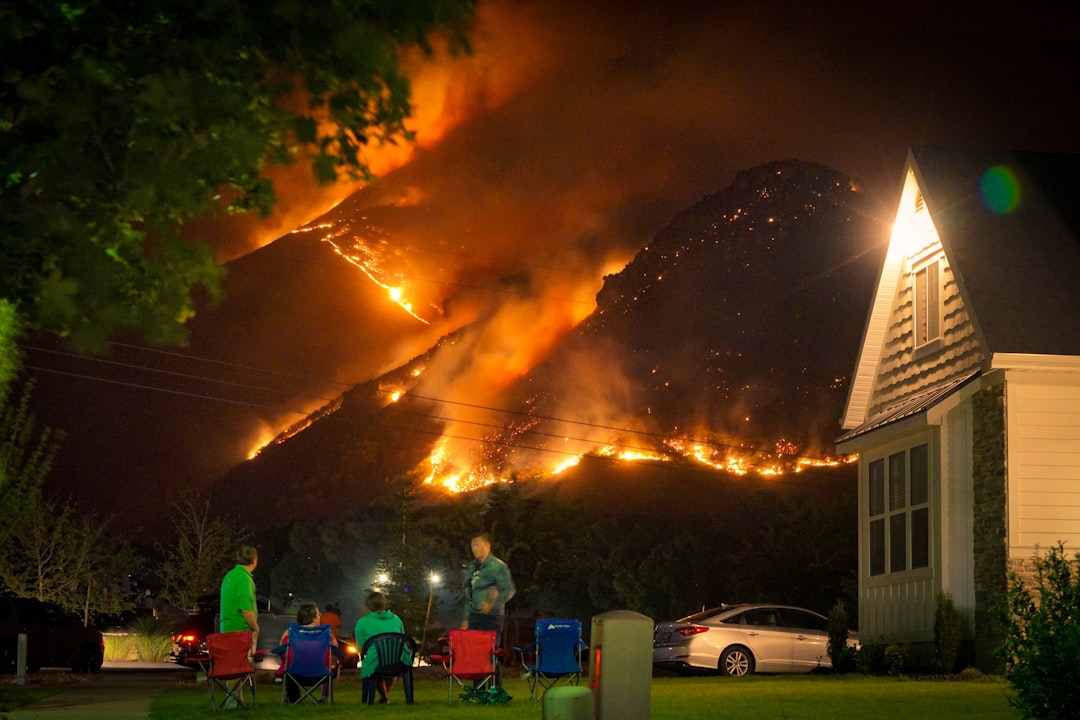
Dry brush, steep canyons, and a persistent drought. That is the recipe that brought the Post Fire to life in the mountains north of Los Angeles. By Saturday evening, the flames had forced the evacuation of roughly 1,200 people from the Hungry Valley area. It is a familiar scene in Southern California, but one that never gets easier.
Hungry Valley sits along the northern edge of Los Angeles and Ventura counties. It is a popular spot for off-road vehicles. Its location, about two miles southwest of the small community of Gorman, puts it right in the path of seasonal fire danger. The dry mountains near Interstate 5 are a tinderbox. The Post Fire is burning through that tinderbox now. Firefighters are on the line, working to keep the blaze from jumping into homes. The cause of the fire is still under investigation. No one has said how it started. But the conditions that let it spread are no mystery.
California has seen years of below-average rainfall. The hills are packed with dead and dry vegetation. When a fire catches in that kind of fuel, it moves fast. The evacuation of 1,200 people is a precaution. It is also a necessity. Emergency crews are moving quickly to get people out and set up shelters. The focus is on containment. That means holding the fire line, stopping the forward spread, and keeping the flames away from populated areas. It is a race against wind and heat.
This is not the first time Hungry Valley has faced a wildfire. The area is prone to them. Its ecosystem is sensitive. The dry mountains and valleys hold a range of plants and animals. A fire can wipe out habitat in hours. Recovery takes years. The Post Fire is now threatening that landscape. The environmental impact is a real concern. The blaze is active. It is still spreading. The full damage will not be known until it is out.
For now, the priority is people. Evacuating 1,200 individuals is a major operation. It takes coordination between fire crews, law enforcement, and emergency services. They are working to provide support and shelter to those displaced. The displaced are waiting. They are watching the smoke rise from the hills. They are hoping the wind shifts. They are hoping the fire crews get the upper hand.
The Post Fire is a stark situation. Dry weather, dry fuel, and a spark. That is all it takes. The investigation into the cause continues. But the conditions that fueled the blaze are clear. The mountains near Interstate 5 are vulnerable. The fire is a reminder of that vulnerability. It is a reminder that in California, fire season is not a season. It is a year-round reality. The work of containment goes on. The evacuation stands. The threat remains.